

Traction alopecia is a common form of hair loss that occurs due to prolonged tension on the hair. This condition often affects individuals who frequently wear tight hairstyles, such as ponytails, braids, or extensions. It can develop gradually and may lead to significant hair thinning or bald patches if not addressed in a timely manner. Understanding the causes, symptoms, and effective treatments for alopecia is essential for anyone looking to maintain healthy hair and prevent this condition.
In today’s fast-paced world, many people prioritize style over comfort, often opting for hairstyles that may be trendy but can cause damage. As awareness about traction alopecia increases, it’s crucial to educate ourselves about how to protect our locks. This article will explore everything you need to know about alopecia, including its causes, symptoms, preventative measures, and effective treatment options. By the end of this guide, you’ll be better equipped to take control of your hair health and prevent the unwanted effects of this condition.
Understanding traction alopecia
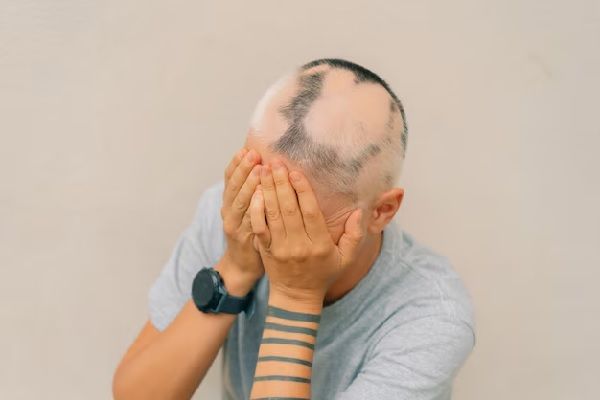
Traction alopecia primarily results from excessive pulling on the hair follicles. This type of hair loss can occur when hairstyles exert constant tension, leading to inflammation and damage to the hair roots. Common styles that can contribute to this condition include tight ponytails, braids, cornrows, and hair extensions. Over time, this constant stress can weaken hair strands and lead to noticeable thinning or bald spots.
The onset of traction alopecia may be gradual, making it easy to overlook at first. However, it’s essential to recognize the early signs, such as increased hair shedding or a receding hairline, especially around the temples. If you notice these symptoms, taking action quickly can help prevent further hair loss. Additionally, understanding your hair type and its specific needs can assist in preventing alopecia and maintaining overall hair health.
Causes of traction alopecia
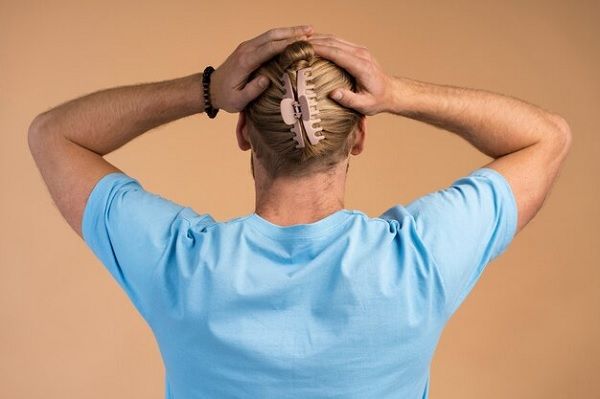
Several factors contribute to the development of traction alopecia. The most common cause is the repeated use of tight hairstyles that place undue stress on hair follicles. For instance, individuals who frequently wear high ponytails or tight braids may be at a higher risk of developing this condition. Other contributing factors include the use of heavy hair extensions, excessive styling, and the application of harsh hair products.
In some cases, individuals may not realize the damage they are causing to their hair. For example, wearing a hat or headband too tightly can also lead to alopecia. Additionally, certain medical conditions or hormonal changes may exacerbate hair loss, making it even more crucial to monitor hair health regularly. Understanding these causes can help you make informed decisions about your hairstyling choices.
Symptoms of traction alopecia
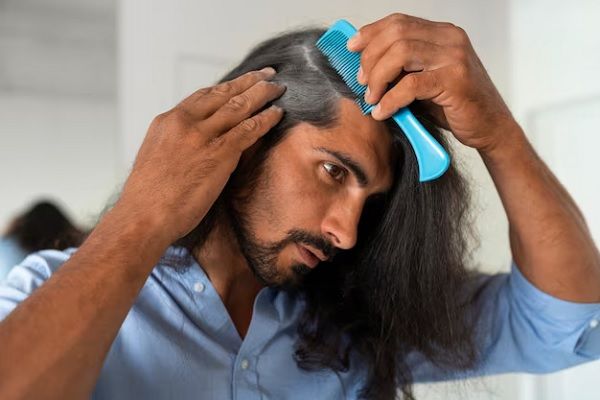
Recognizing the symptoms of traction alopecia is key to addressing the condition early. One of the most noticeable signs is hair thinning or bald patches, particularly around the hairline and temples. You may also experience increased hair shedding when brushing or styling your hair. Other symptoms include redness, tenderness, or itching in the affected areas, indicating inflammation.
As the condition progresses, you may find that your hair takes longer to grow back, leading to further frustration. It’s essential to pay attention to these symptoms, as they can indicate that the hair follicles are under stress. If you notice any of these signs, it’s time to reevaluate your hairstyling habits and consider implementing changes to protect your hair.
Effective treatments for traction alopecia
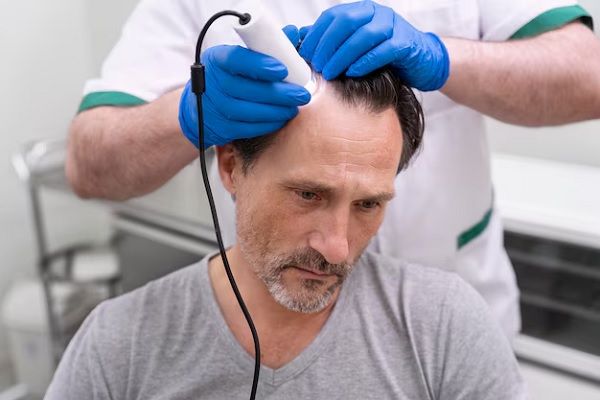
Treating traction alopecia involves a multifaceted approach. First and foremost, you must identify and eliminate the cause of the tension on your hair. This might include switching to looser hairstyles or taking breaks from styles that cause stress. Additionally, incorporating hair care practices that promote hair health can be beneficial.
Topical treatments, such as minoxidil, can stimulate hair growth in affected areas. This over-the-counter solution is commonly used to treat various forms of hair loss, including alopecia. Moreover, maintaining a healthy diet rich in vitamins and minerals can support hair growth. Nutrients such as biotin, zinc, and iron play a vital role in promoting healthy hair.
In cases where alopecia has resulted in significant hair loss, consulting a dermatologist may be necessary. They can provide professional guidance and recommend treatments tailored to your specific needs. In some instances, hair restoration procedures may be an option to consider.
Preventing traction alopecia
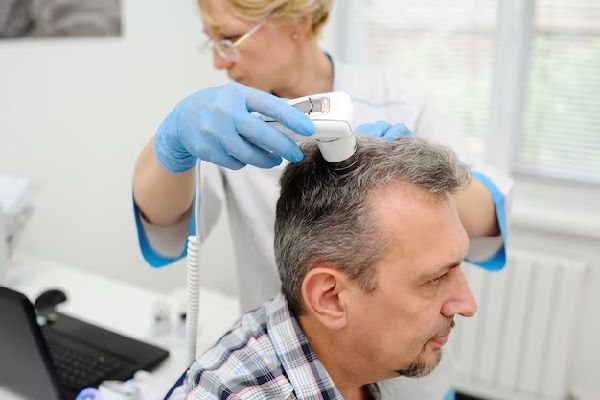
Prevention is always better than cure, and this holds true for traction alopecia. Taking proactive steps can help you avoid this condition and maintain healthy hair. Start by being mindful of the hairstyles you choose. Opt for looser styles that don’t place excessive tension on your hair follicles. Additionally, consider alternating hairstyles to give your hair a break.
Proper hair care practices are also essential in preventing alopecia. Use gentle hair products that are free of harsh chemicals, and avoid excessive heat styling. Regularly moisturizing your hair and scalp can help keep them healthy and hydrated. Furthermore, consider incorporating scalp massages into your routine to promote blood circulation, which can contribute to hair health.
Lastly, staying informed about your hair type and its specific needs can help you make better choices. Remember that healthy hair is beautiful hair, and prioritizing its well-being can prevent conditions like alopecia.
Questions frequently asked
In this section, we will address some of the most common questions people have regarding traction alopecia. These questions often arise from individuals seeking information about the condition, its prevention, and its treatment. Understanding the answers to these questions can empower you to make informed decisions about your hair health.
What is traction alopecia, and who is at risk?
Traction alopecia is a type of hair loss caused by prolonged tension on the hair follicles. It primarily affects individuals who frequently wear tight hairstyles, such as ponytails, braids, or extensions. Anyone can develop alopecia, but certain groups are at higher risk. For example, people with Afro-textured hair may be more susceptible due to the common use of tight styles.
Additionally, individuals who sport hairstyles that require constant pulling may also be at risk. This includes dancers, athletes, and those in the entertainment industry. Furthermore, children and teens who may not fully understand the potential damage caused by certain hairstyles can also fall victim to traction alopecia. Recognizing the risk factors associated with this condition is the first step in prevention.
How can I tell if I have traction alopecia?
Identifying traction alopecia involves observing specific symptoms. Look for signs such as hair thinning, bald patches, or increased shedding, particularly around the hairline and temples. You may also notice tenderness or redness in these areas, indicating that the hair follicles are under stress. If you experience these symptoms, it’s essential to take action quickly.
In addition to physical signs, consider your hairstyling habits. If you frequently wear tight hairstyles, it’s crucial to evaluate the potential impact on your hair. If you suspect you have alopecia, consulting a dermatologist can provide you with a professional diagnosis and tailored advice. Early intervention can significantly improve your chances of regrowing hair and preventing further loss.
What are some effective treatments for traction alopecia?
Treating traction alopecia effectively involves a combination of lifestyle changes and topical treatments. First and foremost, you should eliminate the source of tension on your hair by switching to looser hairstyles. Additionally, consider taking breaks from styles that cause stress to your hair follicles.
You can also incorporate topical treatments, such as minoxidil, which is known to stimulate hair growth. This over-the-counter solution can be particularly effective for those experiencing early signs of alopecia. Maintaining a balanced diet rich in hair-friendly nutrients, such as biotin and zinc, can further support hair growth.
If traction alopecia has led to significant hair loss, seeking professional help from a dermatologist is crucial. They can recommend appropriate treatments tailored to your specific condition, which may include prescription medications or hair restoration procedures. Remember that early intervention is essential for the best outcomes.
Can traction alopecia be reversed?
Yes, traction alopecia can often be reversed, especially if addressed early. If you notice the early signs of hair loss, taking immediate action can significantly improve your chances of regrowth. The first step is to eliminate the cause of the tension on your hair. Transitioning to looser hairstyles and taking breaks from tight styles can make a notable difference.
In addition to changing your hairstyling habits, consider incorporating hair care practices that promote growth. This includes using topical treatments, maintaining a healthy diet, and keeping your scalp moisturized. Regular scalp massages can also enhance blood circulation, supporting hair health.
While alopecia can sometimes lead to permanent hair loss, early intervention can help minimize damage. Consulting a dermatologist can provide you with personalized guidance and treatment options. With the right approach, many individuals can successfully reverse traction alopecia and restore healthy hair growth.
What hairstyles should I avoid to prevent traction alopecia?
To prevent traction alopecia, it’s essential to avoid hairstyles that exert excessive tension on your hair. Common styles to steer clear of include tight ponytails, braids, and cornrows. These styles can place undue stress on hair follicles, leading to inflammation and hair loss over time.
Additionally, avoid heavy hair extensions that pull on your natural hair. If you enjoy wearing styles that require tension, consider opting for looser alternatives or taking regular breaks from tight hairstyles. This will give your hair time to recover and reduce the risk of developing alopecia.
Furthermore, be cautious with accessories such as headbands or clips that may tug on your hair. Keeping your hair healthy and free from unnecessary stress can significantly reduce your risk of experiencing alopecia.
By understanding traction alopecia and its implications, you can take proactive steps to maintain healthy hair. Whether through preventive measures or effective treatments, your hair’s health is within your control. Remember to listen to your hair and prioritize its well-being to avoid the pitfalls of alopecia.