
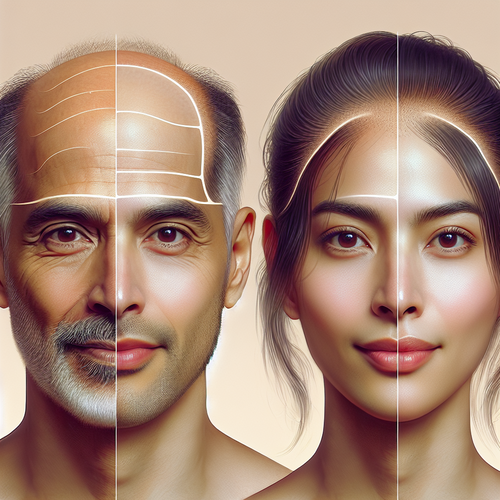
When it comes to looking our best, hair plays a pivotal role. It frames our face, adds character, and can even boost our confidence. However, many individuals experience hairline recession – an issue that can be both disheartening and confusing. In this article, we’ll explore what hairline recession is, the common causes behind it, and what you can do about it.
What is Hairline Recession?
Hairline recession refers to the gradual retreat of the hairline on the forehead, which can give the appearance of a larger forehead and affect the overall aesthetic of one’s facial features. This phenomenon is common among both men and women, although it occurs more frequently in men. Hairline recession can manifest in various ways, from a subtle shift to a more pronounced thinning of the hair at the temples or an M-shaped pattern.
Understanding the Phases of Hairline Recession
It’s important to understand that hairline recession typically doesn’t happen overnight. It occurs in stages:
1. Early Stage
During the early stage, the hairline may begin to subtly move back, often noticed during a routine glance in the mirror. This phase is usually characterized by minimal thinning and can be easily overlooked.
2. Noticeable Recession
As time goes on, the recession becomes more noticeable. The hairline may begin to form a slightly V-shape, especially at the temples. Individuals in this stage might start considering their styling options more carefully.
3. Advanced Recession
This is where the recession becomes more pronounced, and thinning hair might extend further back on the scalp. At this point, many may seek out solutions or treatments to combat the issue.
Common Causes of Hairline Recession
Understanding the underlying causes of hairline recession can help in treating or managing its effects. Here are some of the most common factors:
1. Genetics
Genetics plays a massive role in hair loss and recession. If you have family members who experienced similar issues at a certain age, it’s likely that you may too. This hereditary form of hair loss is known as androgenetic alopecia, affecting millions worldwide.
2. Hormonal Changes
Hormones greatly influence hair health. Conditions such as polycystic ovary syndrome (PCOS) in women, as well as changes during menopause, can lead to increased hair loss. In men, the dihydrotestosterone (DHT) hormone, a derivative of testosterone, is often linked to male pattern baldness, which contributes significantly to hairline recession.
3. Stress
Stress can manifest in various forms and often leads to hair loss, including hairline recession. Emotional stress can trigger telogen effluvium, where hair follicles enter a resting phase prematurely, leading to hair falling out more than usual.
4. Poor Nutrition
The adage “you are what you eat” also applies to hair. A diet lacking in essential nutrients such as proteins, vitamins, and minerals can lead to weaker hair and increased loss. Iron, zinc, and vitamin D deficiencies are commonly associated with hair thinning and recession.
5. Medical Conditions
Several underlying medical conditions could be responsible for hairline recession. Autoimmune diseases, such as alopecia areata, can cause patchy hair loss, while thyroid dysfunction can lead to thinning hair overall. Inflammation from scalp conditions like psoriasis or seborrheic dermatitis can also contribute to hairline issues.
6. Over-Styling and Hair Products
Constant styling, along with the use of harsh chemicals in hair products, can damage hair and contribute to breakage and hair loss. Tight hairstyles like ponytails, braids, or buns can pull on the hairline and lead to a condition known as traction alopecia.
How to Address Hairline Recession
If you are concerned about hairline recession, there are various options available to help manage the situation:
1. Consult a Specialist
It’s advisable to consult a dermatologist or a trichologist for an accurate diagnosis and personalized treatment plan. They can help identify the potential causes and recommend effective solutions tailored to your needs.
2. Medications
Topical treatments such as minoxidil may help stimulate hair growth and slow the progression of hair loss. Oral medications like finasteride are often prescribed for male pattern baldness as well. However, always consult a healthcare professional before starting any medication.
3. Nutritional Adjustments
Reassessing your diet can have profound effects on your hair health. Incorporate foods rich in vitamins and minerals, like leafy greens, nuts, fish, and lean meats to ensure your hair receives the nourishment it needs.
4. Hair Restoration Treatments
For those looking for more permanent solutions, hair restoration surgeries, such as hair transplants, can provide noticeable improvements. These procedures involve moving hair follicles from thicker areas of the scalp to regions experiencing recession.
5. Lifestyle Changes
Reducing stress through mindfulness practices like yoga, meditation, or simply taking time each day for relaxation can have a positive impact. Ensuring you get regular exercise and enough sleep will also contribute to improved overall health, including hair health.
Preventative Measures
Although not all cases of hairline recession can be prevented, adopting certain habits can help promote healthier hair and potentially stave off recession:
1. Gentle Hair Care
Using gentle, sulphate-free shampoos and conditioners can protect your hair from damage. Regularly massage your scalp to encourage blood circulation and promote healthy hair growth.
2. Avoiding Tight Hairstyles
Limit hairstyles that pull on the hairline. If you must tie your hair, do so loosely to avoid traction alopecia.
3. Daily Hydration and Nutrition
Make it a habit to stay hydrated and consume a balanced diet to provide your hair with the nutrients it requires. This not only benefits hair health but overall well-being as well.
Conclusion
Hairline recession may appear daunting, but understanding its causes can make a world of difference. Whether triggered by genetics, stress, or lifestyle habits, there are various strategies available to manage or even reverse the process. If you’re noticing changes in your hairline, don’t hesitate to seek professional guidance. Your hair is part of your unique identity, and taking action early can help restore your confidence and peace of mind.