
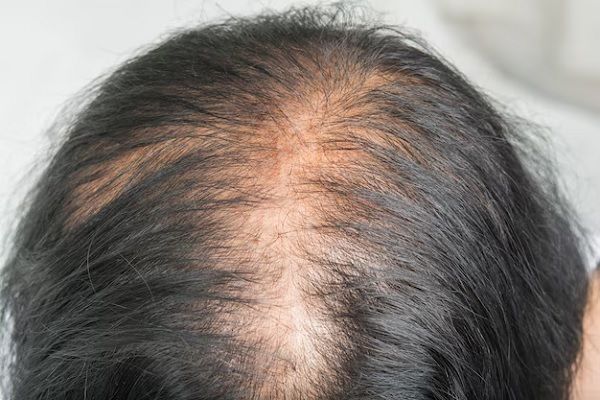
Telogen effluvium is a common hair loss condition that many people experience at some point in their lives. This condition can lead to noticeable thinning of hair, often causing concern and anxiety. While it can be alarming, understanding the causes and symptoms of telogen effluvium can help you manage it effectively. This article will delve into the intricacies of this condition and explore the best treatments available.
The phrase “traction alopecia” often comes up in discussions about hair loss, highlighting the importance of understanding various types of hair conditions. Telogen effluvium can occur for various reasons, including stress, hormonal changes, and nutritional deficiencies. The good news is that by identifying the underlying causes, you can take proactive steps towards recovery and healthy hair regrowth. If you are experiencing hair loss, perhaps you should also read our article about traction alopecia.
Understanding telogen effluvium
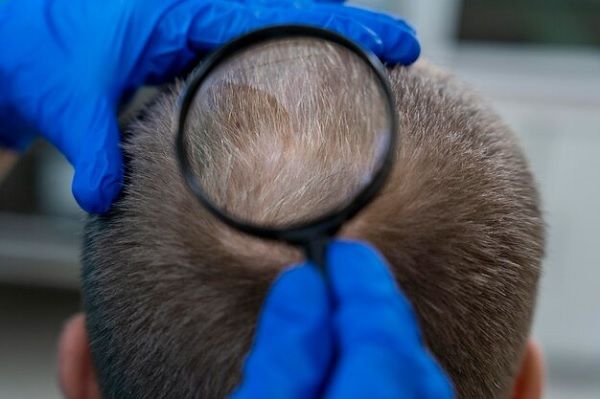
Telogen effluvium involves a temporary increase in hair shedding. It typically occurs after a significant life event, such as surgery, severe stress, or illness. When your body experiences these stressors, it can push hair follicles into the telogen phase prematurely. This phase is when hair naturally sheds, leading to thinning of the hair on your scalp.
The shedding can be diffuse, meaning it typically affects the entire scalp rather than specific areas. Many people may notice increased hair loss while washing or styling their hair. The good news is that telogen effluvium is usually temporary. With the right interventions, many individuals see improvement within six months to a year.
For some, the journey may require patience and commitment to certain lifestyle changes. Identifying triggers can significantly impact recovery. Whether it’s stress management techniques, dietary adjustments, or proper hair care routines, addressing the root cause plays a crucial role in regaining your hair’s health.
Causes of telogen effluvium
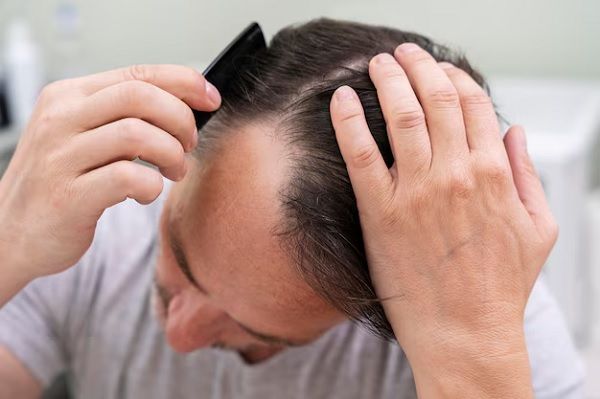
Several factors contribute to telogen effluvium. Understanding these causes is essential for effective management. Stress is one of the most common triggers. When faced with emotional or physical stress, your body reacts by pushing hair follicles into the resting phase. This can lead to noticeable hair loss within a few months.
Hormonal changes are another significant factor. Events such as pregnancy, childbirth, or menopause can disrupt your hormonal balance, leading to increased shedding. Nutritional deficiencies, particularly iron and protein, can also contribute to this condition. A well-balanced diet is vital for maintaining healthy hair.
Infections or illnesses can trigger telogen effluvium as well. Conditions like thyroid disorders or significant weight loss can also play a role. Medications, particularly those that affect hormones or blood pressure, might contribute to hair loss as well. Understanding these causes will help you make informed decisions about your hair health.
Symptoms of telogen effluvium

The primary symptom of telogen effluvium is excessive hair shedding, which can be distressing for those affected. This shedding often occurs suddenly and unexpectedly, leading to noticeable hair loss in a short period. Individuals may first become aware of the condition when they see an increased amount of hair on their pillows upon waking up, in the shower drain after washing their hair, or on their hairbrush after routine grooming. While some shedding is normal, telogen effluvium causes a more significant loss than usual, sometimes leading to handfuls of hair coming out at once.
In many cases, the hair loss is diffuse, meaning it affects the entire scalp rather than being concentrated in specific areas. The hair may feel thinner overall, and the scalp might become more visible, particularly in areas where the hair is naturally finer. Some individuals also report increased hair shedding when running their fingers through their hair or noticing more strands accumulating on their clothing throughout the day. These changes can be particularly concerning for those who have never experienced noticeable hair loss before.
Unlike conditions such as alopecia areata or male and female pattern baldness, telogen effluvium does not typically result in bald patches or receding hairlines. Instead, it leads to an overall thinning effect, giving the appearance of less volume and density. This can be especially frustrating for those who previously had thick or full hair, as the difference may be quite stark.
Many people find themselves feeling self-conscious about their appearance, worrying that others will notice the changes in their hair. This can lead to emotional distress and decreased self-confidence, particularly if the shedding is prolonged or severe.
Best treatments for telogen effluvium
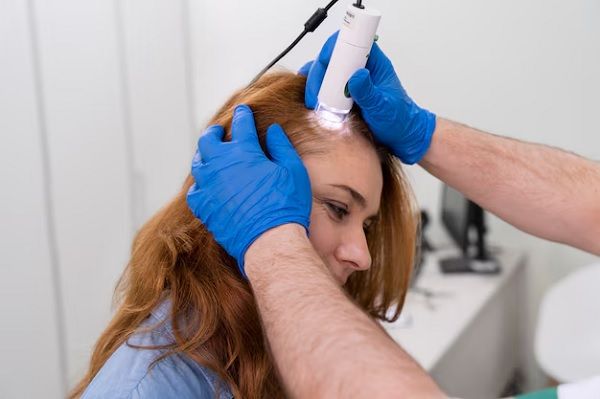
When it comes to treating telogen effluvium, the approach often depends on the underlying cause. Identifying triggers is a crucial first step. If stress is a primary factor, implementing stress-reduction techniques can be beneficial. Practices such as yoga, meditation, or regular exercise can help manage stress levels effectively.
Nutritional adjustments also play a vital role in recovery. Incorporating a balanced diet rich in vitamins and minerals can support hair health. Foods high in iron, zinc, and protein are particularly beneficial. Consider consulting a nutritionist for personalized guidance based on your specific needs.
For some individuals, topical treatments may help stimulate hair growth. Products containing minoxidil can promote hair regrowth for certain types of hair loss. It’s essential to consult with a healthcare provider to determine the best course of action for your situation.
In addition to these treatments, maintaining a proper hair care routine is crucial. Avoiding harsh chemicals and excessive heat styling can prevent further damage. Gentle shampoos and conditioners designed for thinning hair can support your journey to recovery.
Questions frequently asked
As you navigate the world of telogen effluvium, you may have questions. It’s important to gather accurate information to make informed decisions about your hair health. Below, we address some of the most frequently asked questions regarding this condition.
What is the difference between telogen effluvium and traction alopecia?
Telogen effluvium and traction alopecia are two distinct types of hair loss. While both can result in thinning hair, their causes and patterns differ. Telogen effluvium is often triggered by stress or hormonal changes, leading to diffuse shedding. On the other hand, traction alopecia results from consistent tension on the hair follicles, often due to hairstyles like tight braids or ponytails.
Understanding these differences can help individuals choose the right treatment options. While telogen effluvium is typically temporary, traction alopecia can lead to permanent hair loss if not addressed. It’s essential to assess your hair care habits and make adjustments to prevent traction alopecia from worsening.
How long does telogen effluvium last?
The duration of telogen effluvium can vary based on individual circumstances. Generally, this condition lasts for six months to a year. However, some individuals may experience shedding for a shorter or longer period. The key to recovery lies in identifying and addressing the underlying causes.
In many cases, once the trigger is removed or managed, hair growth resumes naturally. It’s essential to be patient during this process. Regular follow-ups with a healthcare provider can help monitor your progress and make necessary adjustments to your treatment plan.
Can telogen effluvium lead to permanent hair loss?
Fortunately, telogen effluvium is usually a temporary condition. Most individuals experience hair regrowth within a few months after the underlying cause is addressed. However, if the triggers persist, there may be a risk of prolonged shedding or even transitioning to other types of hair loss.
It’s crucial to take proactive steps in managing your hair health. Consulting with a healthcare professional can provide valuable insights and personalized advice. They can help you develop a comprehensive plan to promote hair regrowth and overall scalp health.
What lifestyle changes can help manage telogen effluvium?
Lifestyle changes play a significant role in managing telogen effluvium. Stress reduction techniques can significantly impact your hair health. Incorporating activities like yoga, meditation, or simple breathing exercises can help lower stress levels.
Additionally, focusing on a balanced diet is crucial. Ensure you’re getting enough vitamins and minerals, particularly iron and protein. Staying hydrated and avoiding excessive heat styling can also contribute to healthier hair.
Lastly, consider developing a gentle hair care routine. Avoid harsh chemicals and opt for products designed for thinning hair. These changes can significantly enhance your overall hair health and support recovery from telogen effluvium.
Is there a specific diet that promotes hair growth?
While there isn’t a one-size-fits-all diet for hair growth, certain nutrients are particularly beneficial. Foods rich in omega-3 fatty acids, such as fish, flaxseeds, and walnuts, can support scalp health. Additionally, incorporating plenty of fruits and vegetables can provide essential vitamins and antioxidants.
Iron-rich foods, such as spinach, beans, and lean meats, are also beneficial. Protein is vital for hair structure, so include sources like eggs, nuts, and legumes in your diet. Consulting with a nutritionist can help you create a personalized plan tailored to your needs.
Conclusion
Understanding telogen effluvium is vital for anyone experiencing hair loss. By identifying the underlying causes and implementing effective treatments, you can navigate this condition with confidence. Remember that patience is key, and seeking guidance from healthcare professionals can provide invaluable support.
Incorporating lifestyle changes and maintaining a proper hair care routine will enhance your chances of recovery. Whether you’re addressing stress, hormonal changes, or nutritional deficiencies, taking proactive steps can lead to healthier hair and a more positive outlook on your hair journey.
As you explore the world of hair health, remember that knowledge is power. Armed with the right information, you can make informed decisions that will benefit your hair for years to come. Embrace your journey, and don’t hesitate to seek help when needed. Your hair health is worth it.