
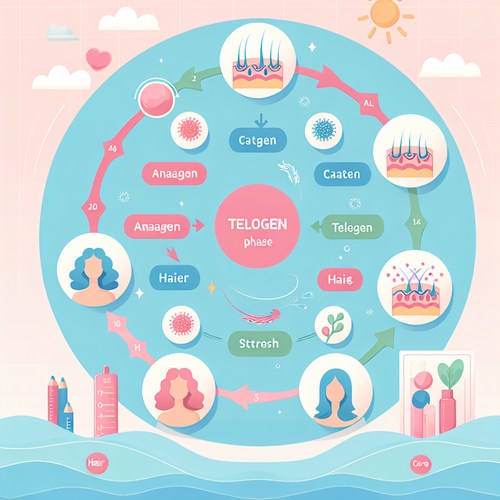
The telogen phase is one of the crucial stages in the hair growth cycle, yet it often seems to fly under the radar in discussions about hair health. Understanding this phase is key, especially if you’re noticing changes in your hair. So, let’s dive into the details—what is the telogen phase, how long does it last, and why it matters.
What is the Telogen Phase?
The telogen phase is the third stage of the hair growth cycle, following the anagen (growth) and catagen (transitional) phases. During this phase, your hair follicles are essentially ‘taking a break.’ After the active growth of hair, they pause to prepare for the shedding of older hairs, making way for new growth. On average, hair remains in the telogen phase for about three months, but this can vary from person to person.
Understanding the Hair Growth Cycle
To fully appreciate the telogen phase, it’s vital to understand the complete hair growth cycle, which consists of three primary phases:
1. Anagen Phase (Growth)
This is the phase where your hair is actively growing. Lasting anywhere from two to seven years, the length of the anagen phase is influenced by genetics and factors like health and nutrition. During this time, hair follicles are busy producing new hair, which can grow about half an inch per month.
2. Catagen Phase (Transitional)
Following the anagen phase is the catagen phase, which lasts about two to three weeks. Here, hair growth stops, and the hair follicle begins to shrink. Approximately 3% of hairs are in this phase at any given time. It’s a short-lived transition that prepares the follicle for the telogen phase.
3. Telogen Phase (Resting)
In the telogen phase, which lasts about three months, the hair follicle is in a state of rest. During this period, the hair doesn’t actively grow or shed—it hangs on quietly until it’s ready to be replaced.
The Duration of the Telogen Phase
As mentioned, the telogen phase typically lasts about three months. However, this duration can be influenced by several factors:
- Age: As one ages, the duration may vary, with older individuals possibly experiencing shorter anagen phases.
- Health: Physical or emotional stress can impact the hair cycle, sometimes leading to premature entry into the telogen phase, a phenomenon known as telogen effluvium.
- Seasonal Changes: Interestingly, some studies suggest that hair shedding can be more pronounced during seasonal changes—especially in spring.
- Diet and Nutrition: Nutrient deficiencies can affect your overall hair health and alter the duration of hair growth phases.
Why is the Telogen Phase Important?
Understanding the telogen phase is essential for several reasons. First and foremost, recognising that your hair goes through this natural cycle can help alleviate unnecessary worries about hair loss. Shedding during the telogen phase is completely normal—it’s simply a part of the cycle, allowing new hair to grow.
Moreover, knowing about this phase can lead to better hair care practices. If you’re experiencing excessive shedding beyond what feels normal, it might signal a disruption in your hair cycle, prompting a visit to a healthcare professional.
How to Support Healthy Hair Growth
While you can’t influence the biological clock of your hair’s growth cycle significantly, there are steps you can take to support your hair during these phases, including
- Maintain a Balanced Diet: Ensure you’re getting enough vitamins and minerals, especially iron, zinc, and biotin, all crucial for hair health. Leafy greens, nuts, and lean proteins are your friends!
- Manage Stress: Since stress can trigger telogen effluvium, looking into stress-reduction techniques like yoga, meditation, or regular exercise can be beneficial.
- Gentle Hair Care: Avoid harsh treatments and extensive heat styling. Opt for a soft brush and mild hair products to minimise damage.
- Consult Professionals: If you’re concerned about hair loss or changes in your hair cycle, consider consulting a dermatologist or a trichologist to get tailored advice.
Recognising Telogen Effluvium
It’s crucial to distinguish between the normal shedding during the telogen phase and something that could indicate a problem. Telogen effluvium is a condition where stress, illness, or hormonal changes trigger an excess amount of hair follicles to enter the telogen phase simultaneously, leading to noticeable hair loss.
If you’re facing sudden and excessive shedding, it’s wise to consult with a healthcare provider. They can help diagnose the underlying cause and guide you through potential treatments or lifestyle changes.
Final Thoughts
The telogen phase is a fascinating aspect of our hair’s life cycle and understanding it can empower you to manage your hair better. Remember, shedding is natural and signals new growth. If you take good care of your health and your hair, you can help ensure that your hair looks healthy and vibrant as it transitions through these various stages.
In summary, the telogen phase typically lasts around three months and plays a vital role in the hair growth cycle. While it’s completely normal to shed hair during this time, being mindful of your hair care practices and overall health can make a significant difference in how your hair behaves throughout the year. Embrace your hair journey — every phase can be beautiful!