
Understanding Hair Follicles: Definition and Structure
When we think about hair, we often focus on its appearance, colour, and styling. However, the foundation of each strand comes from a tiny structure known as the **hair follicle**. Understanding hair follicles is essential not only for those dealing with hair loss or dermatological issues but also for anyone interested in the biology of hair. In this article, we’ll delve deep into what hair follicles are, their structure, and why they are so crucial to our overall hair health.
What is a Hair Follicle?
A hair follicle is a small, tunnel-like structure located in the outer layer of the skin. It plays a vital role in the growth and development of hair. Each hair on your scalp (or body) originates from a follicle, meaning that these tiny structures are the epicentres of hair production. Simply put, without follicles, our hair wouldn’t exist.
But the hair follicle isn’t just a passive tube; it’s a lively environment that undergoes various cycles and phases, which we’ll explore shortly.
The Anatomy of a Hair Follicle
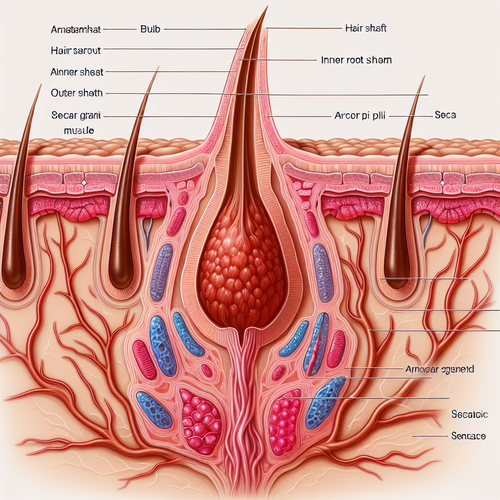
To understand how hair follicles function, it’s essential to break down their structure into key components. Here’s a simple overview:
1. The Bulb
The bulb is the bulbous part at the base of the hair follicle. It’s where the actual hair grows. The bulb contains specialized cells called keratinocytes, which produce keratin—the protein that forms hair. Surrounding the bulb are dermal papillae, small projections that supply the necessary nutrients and signals required for hair growth.
2. The Shaft
The hair shaft is the visible part of the hair that protrudes from the skin. It’s made up of three layers: the medulla (the innermost layer), the cortex (the thick, middle layer), and the cuticle (the outermost, protective layer). Each layer contributes to the hair’s overall strength, thickness, and durability.
3. The Outer Root Sheath
The outer root sheath encases the follicle and is composed of several layers of cells that help protect and support the hair. This sheath is essential for follicle health and maintains the structure of the hair root.
4. The Inner Root Sheath
This layer is found inside the outer root sheath and serves to surround the hair shaft as it grows. The inner root sheath also assists in the formation of the hair strand as it pushes through the skin.
5. Sebaceous Gland
Located close to the hair follicle, the sebaceous gland plays a significant role in maintaining healthy hair. It produces sebum, an oily substance that moisturizes the hair and scalp, preventing dryness and brittleness.
6. Arrector Pili Muscle
This tiny muscle is attached to the hair follicle and is responsible for the common phenomenon known as “goosebumps.” When the muscle contracts, it pulls the hair upright, which can happen due to various stimuli like cold weather or emotional responses.
The Hair Growth Cycle
Hair follicles operate on a cycle, which includes several distinct phases: anagen, catagen, and telogen. Understanding these phases can offer valuable insights into hair health and hair loss issues.
1. Anagen Phase
The anagen phase is the active growth phase where follicles are busy producing new cells. This phase can last anywhere from two to seven years, depending on genetics and individual health. During this phase, hair can grow about half an inch per month.
2. Catagen Phase
This is a transitional phase lasting about two to three weeks. During catagen, hair growth stops, and the hair follicle shrinks. The hair strand disconnects from the follicle and prepares to fall out.
3. Telogen Phase
This is the resting phase, which lasts around three months. At this point, the hair is still attached but is no longer growing. Eventually, the old hair will fall out as new hair begins to grow, restarting the cycle.
Factors Affecting Hair Follicles
Several factors can impact the health and functionality of hair follicles, leading to issues like hair thinning or loss.
1. Genetics
Hereditary factors play a significant role in hair health. Conditions like androgenetic alopecia, commonly known as male or female pattern baldness, are largely influenced by genetic predisposition.
2. Hormones
Hormonal changes can greatly affect hair follicles. Conditions like thyroid disorders or polycystic ovary syndrome (PCOS) can disrupt typical hair growth patterns.
3. Nutrition
A balanced diet rich in vitamins and minerals is crucial for healthy hair follicles. Nutrients such as iron, zinc, vitamins A, D, and E, and essential fatty acids support hair growth and overall scalp health.
4. Stress
Chronic stress can lead to a condition known as telogen effluvium, where hair follicles prematurely enter the telogen phase, leading to noticeable hair loss.
5. Scalp Health
Infections, dandruff, or excessive oil production can clog hair follicles, hindering growth and leading to hair thinning. Regular scalp care is essential for maintaining open and healthy follicles.
Common Hair Follicle Disorders
Understanding potential disorders related to hair follicles can help identify and address hair issues effectively.
1. Folliculitis
Folliculitis is an inflammation of the hair follicles, often caused by infection, irritation, or blockage. It can appear as small red bumps and may lead to discomfort or itching.
2. Alopecia Areata
This autoimmune condition results in patchy hair loss due to the body mistakenly attacking hair follicles. While the exact cause is unclear, early intervention can sometimes help in regrowth.
3. Scarring Alopecia
This is a more severe form of hair loss where inflammation damages hair follicles, leading to scarring and eventually permanent hair loss.
How to Care for Your Hair Follicles
If you’re looking to maintain healthy hair follicles, there are several proactive steps you can take:
1. Maintain a Balanced Diet
A well-rounded diet filled with vitamins and minerals can significantly impact hair health. Incorporate fruits, vegetables, lean proteins, and healthy fats into your meals. Foods rich in omega-3 fatty acids, like fish and nuts, are particularly beneficial for hair.
2. Stay Hydrated
Drinking enough water is essential for overall health, including healthy hair. Dehydration can lead to dry, brittle hair, so make sure to keep those fluids up!
3. Manage Stress
Finding effective ways to cope with stress, whether through exercise, meditation, or hobbies, can help keep your hair healthy. High-stress levels can negatively affect hair growth, so take time for self-care.
4. Practice Good Scalp Hygiene
Regularly washing your hair with gentle shampoos can prevent the buildup of dirt and oil. Consider using scalp treatments if you have specific issues like dandruff or itchiness.
5. Consult a Professional
If you’re experiencing significant hair loss or scalp issues, don’t hesitate to consult a dermatologist. They can provide tailored advice and treatment options to keep your hair follicles healthy.
Conclusion
Hair follicles are remarkable structures that play a crucial role in the growth and health of our hair. From understanding their anatomy to recognising the factors that can affect their functionality, it is clear that taking care of our follicles is essential for maintaining luscious locks. By focusing on diet, scalp health, and stress management, we can foster an ideal environment for our hair to thrive. Remember, healthy hair starts at the root—literally! So, give those follicles the love and attention they deserve, and they’ll reward you with beautiful hair.