
Punch Tool: Definition and Use in FUE Transplants
Understanding Punch Tools in FUE Transplants
When you hear the term “punch tool,” it might conjure up images of a traditional office tool, but in the realm of hair restoration, it takes on a whole new meaning. If you’re looking into Follicular Unit Extraction (FUE) transplants, understanding the punch tool is essential. This tool plays a pivotal role in how hair follicles are extracted and subsequently transplanted into hair loss areas. Let’s delve into what a punch tool is and how it is used during the FUE procedure.
What is a Punch Tool?
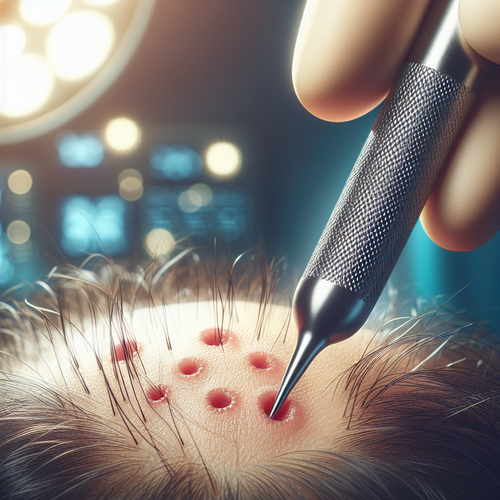
A punch tool in the context of FUE transplants is a specially designed instrument used to extract individual hair follicles from the donor area, usually located at the back of the scalp. It’s generally cylindrical and sharp, enabling the surgeon to carefully remove follicular units without causing significant damage to surrounding tissue. The punch tool can vary in size; the diameter typically ranges between 0.6mm and 1.0mm, depending on the quality and type of hair being harvested.
The FUE Procedure and the Role of Punch Tools
The FUE transplant process begins with the selection of the donor area, where healthy hair follicles are abundant. Once the donor area is identified, the hair is trimmed and the skin is marked for extraction. This is where the punch tool comes into play.
Extraction Phase
During the extraction phase, the surgeon uses the punch tool to create a small circular incision around each hair follicle. This precision is crucial to ensure minimal trauma to the surrounding skin. The punch tool extracts the follicular unit along with a small amount of tissue, which improves the viability of the hair during transplantation. The extracted follicles are carefully collected and prepared for the next phase of the procedure.
Benefits of Punch Tool Extraction
One of the key advantages of using a punch tool in the FUE method is the reduced risk of scarring. Unlike traditional strip surgery, which can leave a significant linear scar, the punch method creates tiny, dot-like scars that are much less noticeable. Patients often find this a favourable option for their hair restoration needs.
Types of Punch Tools
There are various types of punch tools available for FUE procedures, and knowing about them can help in understanding their function better.
Manual Punch Tools
Manual punch tools require the surgeon to have excellent hand-eye coordination. The surgeon manually operates the tool, making it a technique-sensitive process. While this method provides great flexibility, it can also be more labour-intensive and time-consuming.
Motorised Punch Tools
Motorised punch tools offer a different approach. These tools come with a powered mechanism to assist in the extraction. Using a motorised punch can increase efficiency and speed, making it easier to extract a larger number of follicles in a shorter period. For many surgeons, these tools are a game-changer, specifically in high-demand situations.
Robotic Punch Tools
As technology continues to evolve, robotic punch tools are emerging as an advanced option. These tools can automate the extraction process, utilising algorithms and precise movements to extract hair follicles. While still a relatively new innovation, robotic assistance shows promising results in maximising yield while minimising human error.
Preparation for FUE Transplants
Before undergoing an FUE transplant, it’s imperative to prepare both physically and mentally. Here’s what you can expect:
Consultation with a Specialist
A thorough consultation with a hair restoration specialist is crucial for determining your suitability for the FUE procedure. The professional will discuss your medical history, hair loss patterns, and expectations. They will also examine your donor area to select the most appropriate strategy.
Pre-Operative Instructions
Patients are usually given a set of instructions to follow in the days leading up to their surgery. This may include avoiding certain medications or supplements that can thin the blood, as well as abstaining from alcohol or smoking.
The Recovery Process
After the FUE procedure, recovery is typically swift compared to traditional hair transplant methods, but some guidelines should be followed:
Post-Operative Care
Since only small incisions are made, patients often experience minimal discomfort. However, proper post-operative care is essential to ensure that the follicles remain viable and to promote healing. This usually includes avoiding strenuous activity for a few days and using gentle hair care products.
Results Timeline
Patience is key when waiting for results, as newly transplanted hair will initially shed before new growth is visible. Most patients can expect to see noticeable hair growth within several months, with full results appearing around 12 months after the procedure.
Conclusion: The Punch Tool’s Impact on FUE Transplants
The punch tool is undeniably a vital component in the FUE transplant process, enabling skilled surgeons to perform hair extractions with precision and minimal invasiveness. By understanding the technology behind punch tools and their benefits, patients can make informed decisions about their hair restoration journey. If you’re considering an FUE transplant, consulting with an experienced specialist can help you decide on the best approach tailored to your needs. In the end, the punch tool not only transforms hairlines but can also significantly enhance self-esteem—one follicle at a time!