
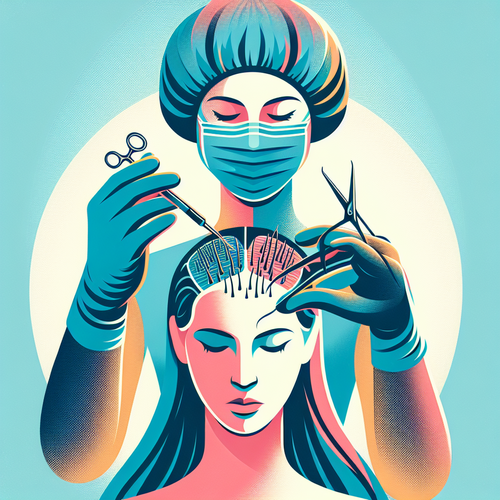
Micrografting, a term that has gained popularity in the realm of hair restoration, represents a revolutionary approach to combat hair loss. This innovative technique, also known as follicular unit extraction (FUE), allows for the precise harvesting and transplantation of individual hair follicles. In this article, we will delve into the definition of micrografting, its applications in hair surgery, and its benefits compared to traditional methods.
What is Micrografting?
At its core, micrografting involves the meticulous extraction of hair follicles from a donor area—typically the back or sides of the head—where hair is genetically resistant to balding. These follicles are then reinserted into areas experiencing thinning or no hair growth. This method’s precision helps to create a natural-looking hairline and density.
The Procedure
The micrografting procedure begins with a consultation where the surgeon assesses the patient’s hair loss pattern and overall suitability for the treatment. Following this, the preparation begins:
- Anesthesia: Local anesthesia is administered to ensure the patient feels no pain during the procedure.
- Harvesting Follicles: Using a specialised tool, the surgeon gently extracts individual hair follicles from the donor site. This process minimises damage to the follicles, ensuring higher survival rates once they are transplanted.
- Preparing the Follicles: Extracted follicles are carefully sorted and prepared for implantation. The surgeon usually groups them based on the number of hairs per follicle, which is crucial for achieving a natural look.
- Implantation: Tiny incisions are made in the recipient area where the hair will be transplanted. The follicles are then meticulously placed in the incisions, taking into consideration the natural growth angle and direction of surrounding hairs.
Micrografting vs. Traditional Methods
While traditional hair transplant techniques, such as strip harvesting (FUT), have been effective for many years, micrografting offers several advantages:
- Less Invasive: Micrografting is a minimally invasive procedure compared to FUT, which involves removing a strip of scalp. This means less discomfort and faster recovery times for patients.
- Minimal Scarring: One of the major benefits of micrografting is that it leaves virtually no linear scar, making it suitable for patients who prefer shorter hairstyles.
- Natural Results: The careful placement of individual follicles creates a more natural appearance, as the surgeon can mimic the growth pattern of the patient’s existing hair.
- Quick Recovery: Most patients can return to their daily activities within a few days, while recovery from traditional methods can take longer due to incisional healing.
Applications of Micrografting in Hair Surgery
Micrografting is not limited to just one demographic; it can be tailored to meet the needs of various individuals facing different types of hair loss. Let’s explore some of the primary applications:
Androgenetic Alopecia
This is perhaps the most common cause of hair loss in both men and women, often referred to as male or female pattern baldness. Micrografting provides a solution by restoring hairlines and improving overall hair density for those affected by this hereditary condition.
Alopecia Areata
Alopecia areata is an autoimmune condition that results in hair loss in patches. Micrografting can be particularly beneficial for those who have stable areas of hair follicle health, enabling surgeons to transplant healthy follicles into the affected regions.
Scarring Alopecia
Scarring alopecia involves the destruction of hair follicles due to inflammation and scarring. Micrografting can assist in restoring hair to areas damaged by this condition, enhancing the overall appearance and offering hope to those affected.
Hair Restoration After Trauma or Surgery
Individuals who have experienced traumatic injuries or surgical procedures that impact hair growth may benefit significantly from micrografting. This technique can help cover scars and reinstate hair growth in affected areas.
Beard and Eyebrow Transplants
Micrografting isn’t solely for the scalp! Men seeking to enhance their beard or moustache can find success in this method. Similarly, women looking to fill in sparse eyebrows can also achieve optimal results through targeted micrografted hair restoration.
Benefits of Micrografting
Micrografting surgery not only re-establishes hair in thinning areas, but it also offers numerous benefits for those considering this form of treatment:
Long-Lasting Results
Once transplanted, the hair follicles continue to grow in their new location just as they would in their original site, leading to results that can last a lifetime. Maintenance is minimal after the initial procedure.
Safe and Effective
With advancements in technology and techniques, micrografting has become a safe option for those experiencing hair loss. The risk of adverse effects is low, particularly when performed by experienced professionals.
Boost in Confidence
Hair loss can significantly impact an individual’s self-esteem and emotional well-being. By restoring hair through micrografting, many people experience enhanced confidence and improved quality of life.
Aftercare and Recovery
Post-operative care is crucial for ensuring the success of micrografting. Patients are often given specific instructions, including:
- Avoiding strenuous activities for a few days to minimise swelling.
- Keeping the scalp clean and avoiding direct sunlight on the transplanted area.
- Limiting hair products during the initial recovery period.
It’s essential to follow all aftercare guidelines provided by the surgeon to ensure optimal healing and results.
Final Thoughts
Micrografting represents a significant advancement in the field of hair restoration surgery. With its ability to produce natural-looking results and its versatility in addressing various types of hair loss, it’s no wonder many individuals are turning to this method as their solution. As with any medical procedure, it’s vital to consult an experienced and qualified surgeon to discuss options, concerns, and expectations. With the right approach, micrografting can usher in a new era of confidence for those battling hair loss.