

The relationship between summer and baldness is often a topic of curiosity. While summer doesn’t directly cause baldness, certain seasonal factors can influence hair health and shedding patterns. Here’s an in-depth look:
Hair shedding and the seasons
Hair shedding can vary throughout the year, and many people notice changes in their hair density or the amount of hair they lose during different seasons. This phenomenon is linked to natural biological cycles and environmental factors. Here’s a detailed exploration:
How hair grows and sheds
Hair growth occurs in three main stages:
- Anagen (Growth Phase): Active hair growth that lasts 2-6 years.
- Catagen (Transition Phase): A brief phase lasting about 2 weeks when the hair follicle shrinks.
- Telogen (Resting/Shedding Phase): The hair follicle rests for 2-4 months before the hair falls out and the cycle restarts.
At any given time, approximately 10-15% of your hair is in the telogen phase, which explains why we lose hair daily. Seasonal factors can influence this natural shedding pattern.

Seasonal shedding patterns
- In summer and early fall:
- Studies suggest that more hair enters the telogen phase during summer, possibly due to increased exposure to sunlight, which may alter hormonal levels such as melatonin and prolactin that regulate hair growth cycles.
- This results in noticeable shedding during late summer or early fall.
- In winter:
- Hair shedding typically decreases in winter, possibly because hair may play a protective role against cold weather.
- However, dry indoor air and lower humidity can make hair brittle, leading to breakage rather than true shedding.
- In spring:
- Some individuals experience increased shedding in spring as the body adjusts to changes in daylight and hormonal fluctuations after winter.
Why does seasonal shedding occur?
Several factors contribute to seasonal shedding:
- Evolutionary reasons:Some researchers suggest this is a remnant of our evolutionary past when hair density was adapted to seasonal needs for protection from heat or cold.
- Hormonal changes:Fluctuations in hormones due to changes in daylight exposure (e.g., melatonin) can influence the hair growth cycle.
- Environmental stressors:UV radiation, temperature changes, humidity, and air quality can affect hair health and the scalp.
How to manage seasonal shedding
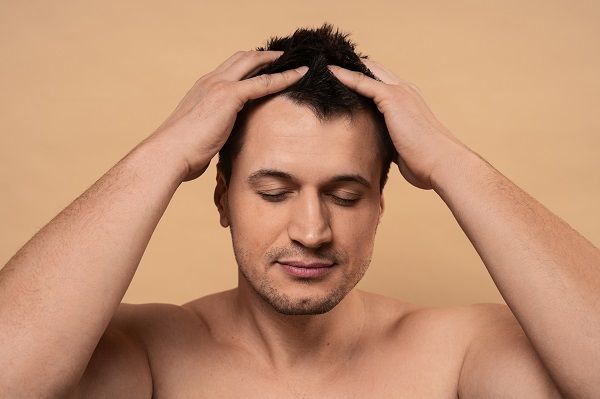
While seasonal shedding is normal, you can take steps to minimize its impact:
- Maintain scalp health:
- Keep your scalp clean and well-moisturized to prevent buildup and irritation.
- Use gentle shampoos and avoid harsh chemicals.
- Protect against UV damage:Wear hats or use hair products with UV filters during summer months to prevent hair damage.
- Stay hydrated:Proper hydration is crucial for both hair and scalp health.
- Eat a balanced diet:Include nutrients like biotin, zinc, iron, omega-3 fatty acids, and vitamins A, D, and E to support healthy hair growth.
- Limit heat styling:Avoid excessive use of heat tools like blow dryers and straighteners, especially during shedding seasons.
- Gentle handling:Avoid tight hairstyles and be gentle while combing or brushing your hair.
When to be concerned
- While seasonal shedding is temporary and usually resolves on its own, excessive or prolonged hair loss might indicate an underlying issue like:
- Telogen effluvium (stress-related shedding).
- Nutritional deficiencies.
- Hormonal imbalances.
- Scalp conditions.
- If you notice significant thinning or bald patches, consult a dermatologist for evaluation.
Summer’s impact on hair health and tips to protect it
Summer can significantly affect your hair and scalp due to increased exposure to environmental stressors such as heat, UV radiation, and humidity. These factors don’t directly cause baldness but can weaken hair, leading to issues like dryness, breakage, or temporary hair shedding. Here’s a closer look at how summer impacts hair health and ways to mitigate the effects.
1. Increased UV exposure
- Effects on hair:
- UV rays degrade the protein structure of hair, particularly keratin, making it brittle and prone to breakage.
- Prolonged exposure can also fade hair color (natural or dyed), giving it a dull appearance.
- Effects on scalp:
- Sunburned scalps can damage hair follicles and cause peeling or irritation.
- Over time, repeated UV exposure may contribute to hair thinning.
Protection tips:
- Wear a wide-brimmed hat or scarf when outdoors.
- Use hair products with UV protection, such as sprays, leave-in conditioners, or oils designed to shield against the sun.
2. Dehydration
- Effects:
- Heat and sweating can lead to dehydration, impacting the scalp and hair health.
- A dry scalp can become flaky, itchy, and prone to dandruff, which may weaken hair roots.
Hydration tips:
- Drink plenty of water throughout the day to stay hydrated.
- Use hydrating shampoos and conditioners to replenish moisture.
3. Increased sweating and sebum production
- Effects:
- Excess sweat and oil production during summer can clog hair follicles, leading to scalp issues like acne or infections.
- An unclean scalp may exacerbate hair shedding.
Scalp care tips:
- Wash your hair more frequently with a gentle, sulfate-free shampoo to remove sweat and buildup.
- Use an exfoliating scalp scrub occasionally to keep follicles clean.
4. Humidity and frizz
- Effects:
- High humidity causes hair to absorb moisture from the air, leading to swelling of the hair shaft and frizz.
- Frizz-prone hair may become more difficult to manage and style.
Management tips:
- Use anti-frizz serums or leave-in treatments that contain silicone or smoothing agents.
- Avoid over-washing your hair, as it can strip natural oils.
- Switch to microfiber towels or cotton T-shirts to dry your hair gently and reduce frizz.
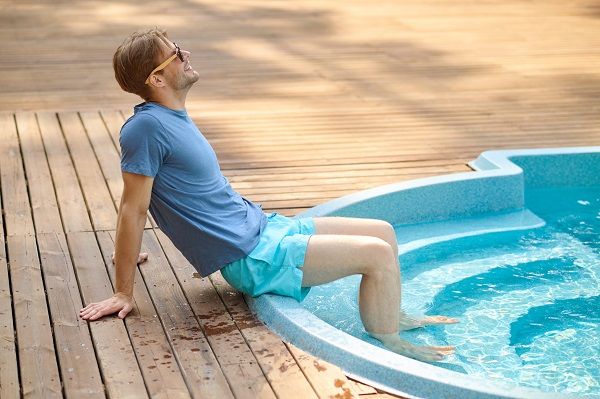
5. Damage from chlorine and saltwater
- Effects:
- Chlorine strips hair of its natural oils, leaving it dry, brittle, and prone to split ends.
- Saltwater dehydrates hair, causing it to feel coarse and appear dull.
Swimming tips:
- Rinse hair with clean water before swimming to reduce absorption of chlorine or salt.
- Apply a protective product like a leave-in conditioner or oil before entering the pool or ocean.
- Wear a swim cap to minimize exposure.
- Rinse your hair thoroughly with clean water after swimming and follow up with a clarifying shampoo to remove residues.
6. Heat styling and overexposure
- Effects:
- Styling tools like straighteners, curling irons, and blow dryers, combined with summer heat, can exacerbate hair damage.
- Frequent heat exposure weakens hair strands, causing split ends and breakage.
Heat protection tips:
- Let your hair air-dry whenever possible.
- Use heat styling tools sparingly and always apply a heat protectant before use.
- Embrace natural styles or braids to reduce the need for heat tools.
7. Seasonal shedding
- Effects:
- Increased daylight and heat can trigger hair follicles to enter the telogen (shedding) phase.
- Temporary shedding in late summer or early fall is a natural part of the hair growth cycle and is not a cause for alarm.
Shedding tips:
- Maintain a healthy diet rich in vitamins and minerals to support hair regrowth.
- Be gentle with hair brushing and handling to reduce stress on shedding strands.
Conclusion
While summer may contribute to temporary hair shedding or damage, it is not a direct cause of baldness. By adopting proper hair care practices and protecting the scalp, you can minimize seasonal effects on your hair. If excessive hair loss persists, consulting a dermatologist is recommended to rule out other underlying causes.