

The relationship between alopecia (hair loss) and blood circulation has been a topic of interest for researchers and medical professionals. While poor circulation alone is not typically the sole cause of alopecia, blood circulation plays an important role in hair health, as it impacts the delivery of oxygen and nutrients to hair follicles.
How blood circulation affects hair growth
Blood circulation is essential for healthy hair growth because it plays a crucial role in delivering nutrients and oxygen to hair follicles, which are necessary for maintaining strong, healthy hair. Here’s how circulation specifically affects hair growth:
1. Nutrient and oxygen supply to hair follicles
The hair follicles, located in the scalp, rely on a steady supply of oxygen, vitamins, and minerals from the bloodstream. Good circulation ensures that these essential nutrients are consistently delivered, supporting the hair follicles’ ability to grow hair. Poor blood circulation can deprive the follicles of these nutrients, leading to weaker, thinner hair and possibly contributing to hair loss.
2. Anagen (growth) phase extension
Hair growth happens in cycles, with the anagen phase being the period during which the hair actively grows. Improving blood circulation can help prolong the anagen phase, allowing hair to grow longer and thicker before it naturally sheds. This can result in denser and more robust hair growth.
3. Scalp health
Healthy blood flow to the scalp is critical for maintaining scalp health, which directly impacts hair growth. Conditions that restrict blood circulation to the scalp, such as certain cardiovascular diseases or inflammatory scalp conditions, can impair hair follicle function, leading to hair loss. Conversely, enhancing circulation can promote a healthier scalp environment that is more conducive to hair growth.
4. Removal of waste products
Good circulation not only delivers nutrients but also helps to remove waste products and toxins from hair follicles. Poor circulation can lead to the buildup of these waste products, which can weaken follicles and inhibit hair growth.
5. Impact of scalp stimulation
Massaging the scalp or using treatments like low-level laser therapy (LLLT) can improve blood flow to the hair follicles. Research shows that increased scalp stimulation can enhance circulation, boost nutrient delivery, and promote thicker, healthier hair growth. Similarly, certain oils (such as peppermint oil or rosemary oil) may stimulate blood circulation in the scalp when massaged in, providing similar benefits.
6. Lifestyle factors and circulation
Lifestyle choices that promote cardiovascular health, such as regular exercise, proper hydration, and a balanced diet rich in vitamins and minerals (especially iron and biotin), can improve blood circulation. This, in turn, supports healthy hair growth by ensuring that the follicles receive an adequate supply of essential nutrients.
Common types of alopecia and blood circulation
Alopecia, or hair loss, comes in several types, each with distinct causes and factors affecting blood circulation to the scalp. Below are the most common types of alopecia and how blood circulation may influence or relate to each condition:
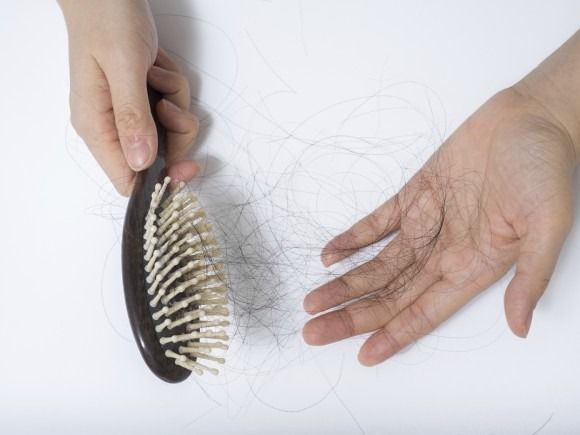
1. Androgenetic alopecia (male and female pattern baldness)
- Cause: Androgenetic alopecia is driven by genetic and hormonal factors, particularly the hormone dihydrotestosterone (DHT), which affects hair follicles and leads to progressive thinning of hair.
- Circulation’s role: Reduced blood flow to the scalp can exacerbate this type of hair loss, though it’s not the primary cause. Some believe that poor circulation contributes to the weakening of hair follicles over time, especially in individuals already genetically predisposed to hair loss. Improving circulation via scalp massages or certain treatments may help support follicle health, though the effect may be limited without addressing hormonal factors.
2. Alopecia areata
- Cause: This is an autoimmune condition where the body’s immune system mistakenly attacks the hair follicles, leading to patchy hair loss.
- Circulation’s role: While blood circulation is not the primary factor in alopecia areata, maintaining a healthy scalp and blood flow may help support overall follicle health. There’s no clear evidence that poor circulation directly contributes to this autoimmune condition, but improving circulation can aid in the recovery of hair growth after flare-ups.
3. Alopecia totalis and alopecia universalis
- Cause: Both conditions are extreme forms of alopecia areata, where hair loss progresses to complete loss on the scalp (totalis) or the entire body (universalis).
- Circulation’s role: Like alopecia areata, these types are primarily driven by autoimmune mechanisms. While enhancing circulation could improve the overall scalp environment, it does not directly address the underlying immune system malfunction causing hair loss.
4. Telogen effluvium
- Cause: This type of alopecia occurs when a significant number of hair follicles prematurely enter the resting (telogen) phase of the hair growth cycle. It can be triggered by stress, hormonal changes, illness, or nutritional deficiencies.
- Circulation’s role: Blood circulation plays a more prominent role in telogen effluvium, as the follicles may be deprived of nutrients and oxygen during times of stress or illness. Enhancing circulation by maintaining a healthy lifestyle (exercise, scalp massages) could help support hair regrowth as the body recovers from the underlying condition.
5. Traction alopecia
- Cause: This type of hair loss results from prolonged physical stress on hair follicles due to tight hairstyles, such as braids, ponytails, or hair extensions.
- Circulation’s Role: While traction alopecia is caused by mechanical damage, prolonged tension can reduce blood flow to the affected areas, weakening the hair follicles. Restoring circulation through gentle scalp care and stopping the source of tension can help prevent further hair loss and promote regrowth.
6. Cicatricial (scarring) alopecia
- Cause: In cicatricial alopecia, hair follicles are destroyed and replaced with scar tissue due to inflammation. This form of hair loss can be caused by various conditions, including lichen planopilaris or frontal fibrosing alopecia.
- Circulation’s role: Inflammatory processes involved in scarring alopecia can reduce blood circulation to the affected areas, making it harder for follicles to recover. However, once scarring has occurred, the damage is usually permanent, and increased blood flow may not be enough to reverse the condition.
Factors affecting blood circulation and alopecia

Several factors can affect blood circulation and potentially influence alopecia or hair loss. These factors may either enhance or restrict blood flow to the scalp, impacting the health of hair follicles. Understanding these factors is key to addressing both blood circulation issues and alopecia.
Factors affecting blood circulation and their link to alopecia
1. Cardiovascular health
- Impact: Conditions like high blood pressure, heart disease, and poor circulation can decrease the flow of blood to the extremities, including the scalp. Blood delivers essential nutrients and oxygen to hair follicles, so poor circulation may lead to weak follicles, hair thinning, or loss over time.
- Relation to alopecia: Reduced blood flow can exacerbate conditions like telogen effluvium or contribute to androgenetic alopecia by weakening the hair follicle environment.
2. Smoking
- Impact: Smoking negatively affects blood vessels, leading to vasoconstriction (narrowing of blood vessels), which reduces blood circulation to the scalp.
- Relation to alopecia: Studies suggest that smoking may accelerate hair loss by impairing blood flow to hair follicles and causing oxidative stress, which damages hair cells.
3. Diet and nutrition
- Impact: A diet lacking essential nutrients, such as iron, vitamins (especially B vitamins), and proteins, can lead to poor blood circulation and affect hair growth. Nutritional deficiencies can reduce the oxygen-carrying capacity of blood, leading to less nourishment for the scalp.
- Relation to alopecia: Poor nutrition is closely associated with telogen effluvium, a form of temporary hair loss triggered by stressors like nutrient deficiency, leading to hair shedding and thinning.
4. Hormonal imbalances
- Impact: Hormonal changes due to pregnancy, menopause, or thyroid issues can affect blood flow and overall scalp health. For example, thyroid hormone imbalances can slow down metabolism and reduce circulation, negatively impacting hair follicles.
- Relation to alopecia: In conditions like androgenetic alopecia or alopecia areata, hormones play a key role, and reduced blood circulation may further weaken hair follicles, accelerating hair loss.
5. Physical activity and sedentary lifestyle
- Impact: Regular exercise boosts circulation throughout the body, including the scalp. A sedentary lifestyle, on the other hand, can contribute to poor blood circulation, reducing the supply of essential nutrients to the scalp.
- Relation to alopecia: Active circulation promotes healthy hair growth. Improving physical activity can help alleviate hair loss related to poor circulation, particularly in diffuse hair loss.
6. Stress and anxiety
- Impact: Stress can cause vasoconstriction, limiting blood flow to various parts of the body, including the scalp. Stress also leads to the release of cortisol, a hormone that can negatively impact hair growth cycles.
- Relation to alopecia: Stress-induced hair loss, or telogen effluvium, often stems from stress-related reduction in blood flow to hair follicles, causing premature shedding.
7. Age
- Impact: As people age, blood circulation naturally decreases due to stiffening and narrowing of blood vessels. This can limit the delivery of oxygen and nutrients to the scalp.
- Relation to alopecia: Aging is a key factor in androgenetic alopecia (pattern hair loss), and reduced circulation further weakens hair follicles, making it harder to maintain hair density.
8. Medications
- Impact: Some medications, such as beta-blockers, blood thinners, or chemotherapy drugs, can affect blood flow or damage hair follicles directly.
- Relation to alopecia: Drug-induced hair loss, like that caused by chemotherapy, can result from restricted blood flow to hair follicles, in addition to direct follicular damage.
Improving blood circulation to support hair growth:
To mitigate hair loss related to poor circulation, several approaches can be used:
- Scalp massages: Gentle scalp massages increase blood flow to hair follicles.
- Exercise: Regular physical activity boosts overall circulation, including to the scalp.
- Balanced diet: A diet rich in vitamins, minerals, and proteins supports optimal circulation and hair health.
- Stress management: Reducing stress through meditation, exercise, or relaxation techniques can improve blood flow.
- Quit smoking: Quitting smoking enhances blood circulation and reduces oxidative stress on hair follicles.
While blood circulation alone is not the sole cause of alopecia, it plays a significant role in supporting overall scalp and hair follicle health. Improving circulation can complement treatments for alopecia, especially in cases of temporary hair loss or where reduced blood flow is contributing to follicle damage.