
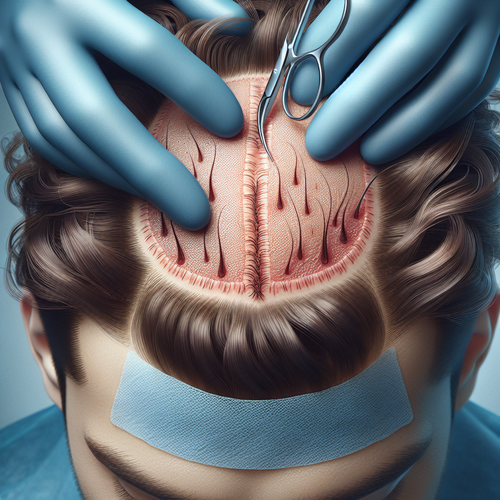
When considering a hair transplant, one of the critical areas that get a lot of attention is the recipient area. This area plays a pivotal role in the success of the entire procedure, impacting both aesthetics and overall satisfaction. In this article, we will delve into the definition of the recipient area in hair transplants, explore the processes involved in preparing and treating this area, and highlight important considerations for anyone thinking about undergoing this popular cosmetic surgery.
What is the Recipient Area?
The recipient area is the part of the scalp where hair follicles are transplanted during a hair restoration procedure. Typically, this area is located on the crown, top, or frontal regions of the scalp where hair thinning or balding has occurred. The expert placement of follicles in this area is essential to achieving a natural-looking result, making it a focal point of any hair transplant.
The Importance of the Recipient Area
The recipient area is vital for several reasons:
- Aesthetics: The appearance of the transplanted hair can significantly affect one’s overall look. A well-defined recipient area can enhance facial features and boost confidence.
- Direction and Density: Proper placement of hair follicles in the recipient area allows for natural hair growth direction and density, ensuring that the final result mimics natural hair growth.
- Healing and Integration: The recipient area must be prepared and cared for adequately to promote effective healing and integration of the transplanted follicles.
The Process of Preparing the Recipient Area
Before the actual transplantation occurs, the recipient area must undergo a series of preparation steps to ensure the process runs smoothly. Here’s a breakdown of what typically happens:
1. Consultation and Planning
The first step involves an in-depth consultation with a qualified hair transplant surgeon. During this phase, the surgeon assesses the extent of hair loss, discusses desired outcomes, and designs a custom plan for the recipient area. This plan includes the angles, density, and the specific hairline to achieve the most natural look possible.
2. Anesthesia
Once the plan is in place, the next step is to prepare the recipient area with local anesthesia. This is critical for keeping the patient comfortable during the procedure. The surgeon will numb the area to alleviate any pain and ensure that the transplant process can proceed without discomfort.
3. Preparation of the Recipient Site
After the anesthesia takes effect, the surgeon will meticulously prepare the recipient site. This may involve creating tiny incisions or slits in the scalp, where the hair follicles will be placed. The size, depth, and angle of these incisions are crucial for achieving natural-looking results. Each incision should mimic the natural growth pattern of hair to ensure seamless integration of the transplanted follicles.
The Transplantation Process
Once the recipient area is prepared, it’s time for the actual transplantation. There are two primary techniques used for harvesting hair follicles: Follicular Unit Transplantation (FUT) and Follicular Unit Extraction (FUE).
Follicular Unit Transplantation (FUT)
This method involves removing a thin strip of hair-bearing skin from the donor area, typically located at the back of the head. The surgeon then dissects this strip into individual follicular units, which are then implanted into the recipient area. The benefit of FUT is that it can produce a thicker density of hair since multiple units are often used together.
Follicular Unit Extraction (FUE)
FUE, on the other hand, involves extracting individual hair follicles directly from the donor area using a specialized punch tool. This technique leaves tiny dots rather than a larger scar, making it a popular choice for those who prefer shorter hairstyles or want minimal scarring. The extracted follicles are then meticulously placed into the prepared recipient area.
Caring for the Recipient Area Post-Transplant
<pOnce the transplant is complete, caring for the recipient area is crucial for ensuring the growth and retention of transplanted hair. Here are the key points to consider:
1. Following Post-Operative Instructions
The surgeon will provide specific aftercare instructions that may include how to wash your hair, avoid pressure on the transplanted area, and manage any discomfort. It’s essential to adhere to these guidelines strictly to promote healing and growth.
2. Avoiding Physical Activity
In the days immediately following the transplant, it is recommended to avoid strenuous physical activities that could cause sweating and disrupt the healing process. Engaging in high-intensity workouts should be put on hold for a short period.
3. Protecting the Recipient Area
It’s important to protect the recipient area from sun exposure and harsh weather conditions. Wearing a hat or using sunscreen is advisable to shield the scalp during the recovery phase.
Expected Results and Growth Timeline
After undergoing a hair transplant, it’s natural to be eager to see the results. However, patience is key as the transplanted hair follicles will undergo a shedding phase before new growth becomes visible. Here’s a typical timeline of the growth process:
1. Shedding Phase
Within the first few weeks post-surgery, it’s common for the transplanted hair to shed. This can be concerning, but it’s entirely normal and temporary. The follicles are essentially entering a resting state, preparing for new hair growth.
2. Regrowth Phase
After about three to four months, new hair will begin to sprout from the follicles. This hair may initially be fine and soft but will gradually thicken and match the existing hair over time.
3. Final Results
It typically takes around 9 to 12 months to see the full results of a hair transplant. At this point, the hair should appear denser and more natural, significantly improving the recipient area’s appearance and fulfilling the initial goals set during the consultation.
Conclusion
Understanding the recipient area in hair transplants is essential for anyone considering this restorative procedure. The careful planning, preparation, and execution of the transplant process significantly affect the final outcome. By working with a qualified surgeon and following all post-operative care instructions, individuals can enjoy a successful hair transplant and regain their confidence.
If you’re contemplating a hair transplant, remember that education and thorough research are your allies. Explore your options and don’t hesitate to reach out to professionals who can guide you through the journey to a fuller head of hair!