
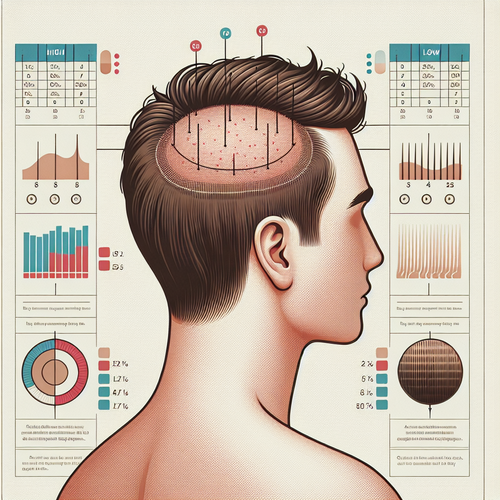
Hair density is a term often heard in the world of hair transplants, but what does it actually mean? For those considering a hair restoration procedure, understanding the concept of hair density is crucial. This article will shed light on the definition of hair density, its significance in hair transplants, and what you need to consider if you’re contemplating this life-changing procedure.
What is Hair Density?
Hair density refers to the number of hair follicles on a specific area of the scalp. It is typically measured in terms of the number of hairs per square inch. For instance, individuals with high hair density have a greater number of hair follicles in that area compared to those with low hair density. On average, the human scalp contains around 100,000 to 150,000 hair follicles, but this number can vary significantly from person to person.
Why is Hair Density Important in Hair Transplants?
Understanding hair density is crucial when it comes to hair transplants for several reasons:
1. Aesthetic Results
One of the primary goals of a hair transplant is to achieve natural-looking results. The density of transplanted hair plays a vital role in this. If the transplanted hair density is too low, it may lead to a patchy appearance that can easily make the transplant noticeable. On the other hand, achieving the right density can result in a full, natural appearance.
2. Coverage and Scalp Visibility
Hair density also affects how much scalp visibility is covered post-procedure. For individuals with significant bald spots or thinning hair, a higher density of transplanted hair can help create the illusion of fullness and conceal the scalp effectively.
3. Donor Hair Supply
When considering a hair transplant, the density of your donor hair is critical. The donor area, typically located at the back of the scalp, should have sufficient density to provide enough follicles for a successful transplant. If your donor area has low density, it may limit the number of grafts that can be extracted, which could ultimately affect the outcome of the procedure.
Factors Influencing Hair Density
Several factors can affect a person’s hair density:
Genetics
Genetics play a significant role in determining both the hair density and the thickness of individual hair strands. If your family has a history of thinning hair or baldness, it might be an indicator of what you can expect in the future.
Age
As we age, our hair naturally becomes thinner. It’s common for individuals to experience a decrease in hair density as they get older, which is often a normal part of the ageing process.
Health Conditions
Various health conditions can also affect hair density. Conditions like hormonal imbalances, autoimmune diseases, and nutritional deficiencies can lead to hair loss and reduced density. If you’re facing such issues, it’s essential to address these health concerns before considering a hair transplant.
Measuring Hair Density
Measuring hair density is typically done in a clinical setting by professionals. They use a device called a trichometer or magnifying glass to assess the number of follicles per square inch. However, you can get a rough estimate at home using a simple method:
- Choose a small area of your scalp (around 1 inch square).
- Count how many hair strands you can see in that area.
- Multiply that number to get an estimate for the entire scalp.
Hair Transplant Techniques and Density
There are several hair transplant techniques, and each affects hair density differently:
Follicular Unit Transplantation (FUT)
This method involves removing a strip of hair-bearing skin from the donor area and dissecting it into individual follicular units. It’s known for allowing a higher density since it can transfer a larger number of grafts in one session.
Follicular Unit Extraction (FUE)
FUE involves extracting individual hair follicles directly from the scalp. While this method is less invasive and leaves minimal scarring, it may sometimes result in slightly lower density, depending on the skill of the surgeon and the condition of the donor area.
Direct Hair Implantation (DHI)
This is a newer technique that allows for the direct implantation of hair follicles without the need for a prior harvesting method. DHI can achieve very natural density, but it requires an expert to ensure optimal results.
How to Improve Hair Density Before a Transplant
Improving your hair density before a transplant can lead to better results. Here are some tips:
Nutrition
A balanced diet rich in vitamins and minerals is essential for healthy hair. Foods containing vitamins A, C, D, E, zinc, iron, and omega-3 fatty acids can promote hair growth and improve overall hair health.
Hair Care Products
Utilising the right hair care products can help improve the density of your hair. Look for shampoos and conditioners that are formulated to thicken hair and promote growth.
Consulting a Specialist
If you’re experiencing hair thinning, consulting with a dermatologist or a trichologist can provide insights into your specific condition. They might suggest treatments such as topical minoxidil or finasteride, which can help to improve hair density.
Post-Transplant Care for Optimal Density
After your hair transplant, following a proper care routine is instrumental in achieving the best density possible:
Follow Post-Op Instructions
Your surgeon will provide specific instructions after your procedure. Adhering to these recommendations can impact your results significantly, so make sure to follow them closely.
Be Patient
Hair transplant results take time. Initially, you might notice some shedding of the transplanted hair as it enters a resting phase, but with patience and proper care, new growth should appear, and density will improve over time.
Conclusion
In conclusion, understanding hair density is a key component of successfully navigating the world of hair transplants. By knowing what it is, why it matters, and how to improve it pre- and post-procedure, you’re setting yourself up for the best possible outcomes. If you’re thinking about a hair transplant, consider speaking to a qualified professional who can guide you based on your unique hair density and personal goals. With the right approach, you can achieve that full, luscious head of hair you desire.