
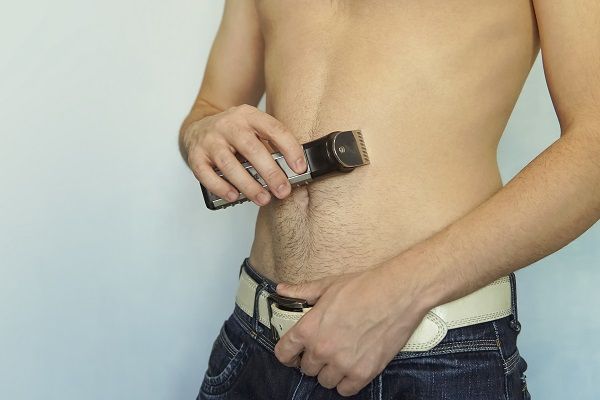
If you look around, you’ll realize we’ve gone past the age and time where people have to shave off their pubic hair compulsorily. Today, things have changed, and it has come down to a personal choice to either keep or shave the hair. With more people, including celebrities choosing to keep it, it shows how much it’s publicly accepted, unlike it used to be. So if you want to take the same decision in keeping your pubic hair, you may start by regrowing it from scratch. On the other hand, if you are looking to strengthen your hair, perhaps you should read our article on the benefits of vinegar for hair.
While you may have to wait for some time to see it back to fullness, when you see the results, you’ll realize it’s worth the wait. So to regrow your pubic hair, there are effective tips you can follow. If you’ve been curious about these tips, you have found yourself the right place to find out. This article will firstly discuss what pubic hair is, then highlight some of the benefits of regrowing it. Finally, as an extension, it’ll identify effective ways in which you can regrow the hair in these private areas. So kindly tag along as we dive fully into it.
What is a pubic hair?

While this may seem to have an obvious answer, we need to answer it still. Pubic hair is simply the hair that grows in our private parts, otherwise known as our genitals. Growing pubic hair is essentially the first sign of puberty, and its amount varies from one person to another.
Although it’s possible to think there are no reasons for hair growth in these areas. But like every other body feature, pubic hair has its purpose it serves and the benefits it offers. When you learn about its purposes and benefits, you’ll realize why it’s logical to keep it, and cutting it will only depend on personal preference, not societal or peer preference.
Benefits of pubic hair
The following are some of the benefits of having pubic hair:
1. It Reduces Friction
When the skin rubs against itself, it may cause friction and tear. Pubic hair acts as a protective cover for the skin in private areas to salvage the skin from friction and tear. In addition, reports state that pubic hair also serves as a dry lubricant. And if you evaluate some of these reports, you’ll realize the degree of logic they carry.
2. It protects the private area
This is the most popular benefit of keeping public hair. Like other body parts, harmful microorganisms can easily find their way around. So one of the benefits of keeping the pubic hair is to serve as a protective guide against dirt and microorganisms.
3. Regulates temperature
Many of us wear thick dresses that mostly cover the private area. While this is good for the outer body, the same can’t be said of the private part because it needs a fair share of warm temperature, no heat temperature. Like the hair on our head, another benefit of keeping public hair is it helps to regulate temperature around the private areas.
4. It helps avoid side effects of trimming
A major downside of trimming is that it exposes you to certain side effects like cuts and breakouts. Even if you decide to use an exfoliant, you may still run the risk of itchiness, leading to breakage. So choosing to keep pubic hair offers the benefits of avoiding all these side effects accompanying trimming.
Having stated the aforementioned, it’s important to note that trimming the hair doesn’t mean you’re deprived of these benefits. It’s just that you won’t get as much as those that have decided to keep it. Additionally, removing it doesn’t have medical backing. So you can choose either to keep or to trim it. If you decide to keep it, please check our recommendations on regrowing clean and healthy pubic hair.
How to regrow pubic hair
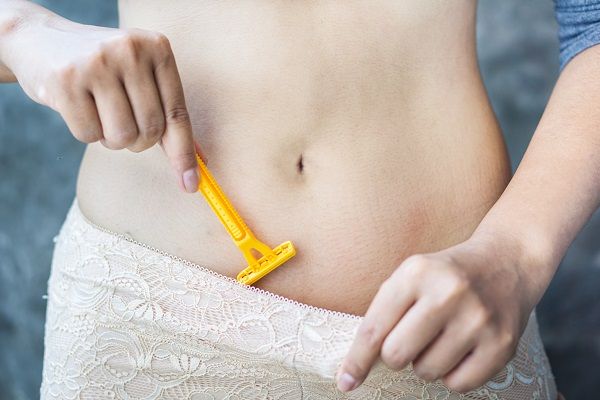
The following are proven ways to follow to regrow your pubic hair:
1. Start with a trim
While this may sound counterintuitive, it’s the best way to start afresh because treating full-grown hair may be difficult. So to regrow neat and healthy pubic hair, you’ll have to start by trimming whatever you currently have. To get fantastic trim, you can apply shaving cream to the area. It’s also important you sterilize the razor, scissors, or whatever cutter you choose to disinfect.
2. Have a gentle cleansing
As the hair grows, you’ll have to observe a regular but gentle cleansing. This has proven to be the most effective way of tackling bacteria that may develop from sweat deposits around the area. This routine also goes a long way in helping you deal with dirt.
You can choose an organic soap with a nice fragrance or one that contains a mild chemical composition without sulfates and other dangerous chemicals. Then, take careful dabs around when you’re washing the area. Avoid scrubbing it because the skin around this area is very thin and delicate, and too much friction can cause tears.
3. Keep the hair soft
When you grow out the hair, and it comes out thick and healthy, it can become hard that it’ll poke you. So a way to deal with this is to soften it by applying essential oils like olive or coconut oil. When you do this, it’ll soften after a short period.
4. Allow hair flow
This tip is as crucial as the other tips mentioned above. Every individual has different choices of underwear. But for someone who wants to keep pubic hair, you must avoid extremely thick underwear.
It’ll be counterproductive to use oil and treat the hair without letting it breathe. So a way to let it breathe is to use full cotton underwear. Not silk, satin, or other underwear materials. That’s because cotton underwear has linings that create accessibility for airflow.
Frequently asked questions

How long does it take for pubic hair to grow back after shaving?
After shaving, individuals often wonder how long it takes for pubic hair to grow back. Typically, the regrowth can be observed within a few days. However, the full return to the original length may take several weeks. The average hair growth rate is around half an inch per month. Factors like genetics and age can influence this rate. Some may notice a faster regrowth, while others may experience a slower process. Patience is key, as the hair follicles require time to regenerate.
Does pubic hair grow back thicker after shaving or waxing?
A common myth suggests that pubic hair grows back thicker after shaving or waxing. In reality, this perception arises from the blunt tip of the hair after it has been cut. When hair is shaved, the ends become thicker and may feel coarser. However, shaving does not change the hair’s density or texture on a biological level. Waxing can lead to finer regrowth over time because it removes hair from the root, potentially weakening the follicle. Ultimately, individual experiences may vary based on hair type and genetics.
Can hormonal changes affect the regrowth of pubic hair?
Hormonal fluctuations can significantly impact how pubic hair grow back. For instance, during puberty, the body experiences increased hormone production, leading to more pronounced hair growth. Similarly, hormonal changes during pregnancy or menopause can alter the growth patterns of pubic hair. Conditions like polycystic ovary syndrome (PCOS) may also affect hair thickness and growth rates. Monitoring hormonal health can provide insight into any unusual changes in pubic hair regrowth.
Is there a way to speed up the regrowth of pubic hair?
While there’s no guaranteed method to speed up how pubic hair grow back, maintaining a healthy lifestyle can support hair health. Eating a balanced diet rich in vitamins and minerals is essential for hair growth. Nutrients like vitamins A, C, E, and B-complex, along with minerals such as zinc and iron, contribute to healthy hair follicles. Staying hydrated and managing stress levels can also promote optimal hair growth. Although topical treatments claim to enhance regrowth, results may vary widely from person to person.
Are there any medical conditions that can affect pubic hair growth?
Several medical conditions can influence how pubic hair grow back. Hormonal imbalances, such as those caused by thyroid disorders, can lead to excessive or insufficient hair growth. Autoimmune diseases may also affect hair follicles, resulting in hair loss in various areas, including the pubic region. It’s crucial to consult a healthcare provider if experiencing drastic changes in hair growth. Early diagnosis and treatment can help manage underlying conditions effectively.
What are the best practices for caring for pubic hair?
Caring for pubic hair can enhance its health and appearance, impacting how pubic hair grow back. Keeping the area clean and moisturized is vital to prevent irritation. Choosing gentle, unscented products can help avoid allergic reactions or discomfort. Regular trimming can maintain a neat appearance without affecting regrowth. Additionally, avoiding harsh hair removal methods may reduce the risk of ingrown hairs and promote healthy regrowth. Listening to your body’s needs is essential for maintaining optimal hair health.
Conclusion
Although pubic hair grows naturally, you must follow these care tips if you want to enhance the growth by creating the hair quality you desire. These tips have individually and collectively proven to be the best way to regrow pubic hair. So adhere to them strictly. Understanding the factors that influence how pubic hair grow back can empower individuals to make informed grooming choices. Emphasizing a healthy lifestyle, recognizing hormonal influences, and being aware of any medical conditions can greatly affect hair regrowth. Remember, patience is key during this natural process, and everyone’s hair growth journey is unique.