
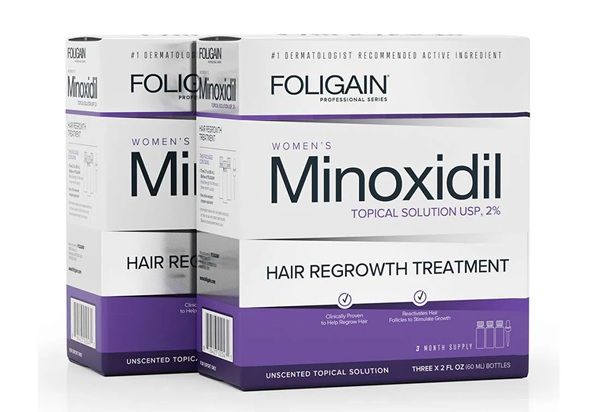
Minoxidil is one of the most widely known and used treatments for hair loss. It is primarily used to treat androgenetic alopecia (AGA), commonly known as male and female pattern baldness, as well as other forms of hair thinning. Available in both topical and oral forms, Minoxidil has become a staple in the hair restoration field. However, while it is commonly used, many people still have questions about how it works, its effectiveness, and the potential side effects. This article delves into the various aspects of Minoxidil, exploring its uses, benefits, mechanism of action, effectiveness, side effects, and much more.
What is it?
Minoxidil was initially developed as an oral medication to treat high blood pressure (hypertension). It was discovered in the 1950s by the pharmaceutical company Upjohn, and it became popular for its unintended side effect: promoting hair growth. Over time, this effect was studied and harnessed to create topical treatments for hair loss.
In its topical form, Minoxidil is used to stimulate hair growth and slow down hair loss. It is available in various concentrations, most commonly 2% and 5% solutions or foams. The 5% formulation is typically recommended for men, while the 2% formulation is often used by women, although some women may use the 5% formulation as well.
How does it work?
Minoxidil works by enhancing blood circulation to the hair follicles, which is thought to promote hair growth. Specifically, it dilates blood vessels, improving blood flow to the scalp, which helps supply hair follicles with more oxygen, nutrients, and growth factors.
Additionally, Minoxidil is believed to extend the anagen (growth) phase of the hair cycle, allowing hair to grow longer, thicker, and faster. It may also shorten the telogen (resting) phase of the hair cycle, which helps to reduce hair shedding.
However, the exact mechanism of how Minoxidil promotes hair growth remains somewhat unclear. It does not address the root cause of hair loss (such as androgenetic alopecia, which is linked to DHT), but rather works to stimulate hair follicles to increase the size of existing hair follicles and improve overall hair density.
Minoxidil for hair loss treatment

Minoxidil has been extensively studied for its effectiveness in treating various forms of hair loss, especially androgenetic alopecia, which is the most common cause of hair thinning and baldness in both men and women. Here’s how Minoxidil is used for hair loss:
Androgenetic alopecia (male and female pattern baldness)
- Men’s use: Androgenetic alopecia in men typically starts with a receding hairline, followed by thinning at the crown and temple areas. Minoxidil is often applied to the scalp to help stimulate hair regrowth, especially in the crown region. It can take about 3 to 6 months of regular use to see noticeable results, though many men experience a shedding phase early on, which is temporary.
- Women’s use: In women, androgenetic alopecia is usually characterized by diffuse thinning of hair, particularly at the crown or top of the head. Minoxidil has proven to be effective in women, though it is typically used in a 2% formulation, with the 5% formula being an option for women with more severe hair loss. Women may also experience initial shedding, but this is often followed by regrowth after several months of use.
Other uses
Minoxidil has also been studied for other forms of hair loss, including:
- Telogen effluvium: A temporary form of hair shedding caused by stress, illness, or hormonal changes. Minoxidil may help to stimulate regrowth in cases of telogen effluvium, though its use is not always necessary as this type of hair loss typically resolves on its own.
- Alopecia areata: An autoimmune condition that leads to patchy hair loss. While the evidence for Minoxidil’s efficacy in treating alopecia areata is mixed, some studies suggest that it may promote regrowth in individuals with mild to moderate cases.
Effectiveness

The effectiveness of Minoxidil varies between individuals, and results are not guaranteed. However, studies have shown that it can be quite effective for many people, especially when used consistently over a long period.
Studies on minoxidil for hair loss
A 2014 study published in the Journal of Dermatology concluded that 5% Minoxidil solution was more effective than the 2% solution in stimulating hair growth in men with androgenetic alopecia. A similar study from 2002 published in Archives of Dermatology showed that Minoxidil can increase the density and thickness of hair, improving the appearance of hair in individuals with male and female pattern baldness.
Minoxidil works best in individuals who have early stages of hair thinning or hair loss. People with more advanced balding (where the scalp is already largely visible) may see less dramatic results, as the hair follicles in these areas are often too damaged or dormant for effective stimulation.
It’s important to note that Minoxidil will not work for everyone. Some people may experience little to no regrowth, and others may find that their hair loss resumes once they stop using the medication.
How to use it

To achieve the best results, Minoxidil must be used consistently and correctly. The typical instructions for Minoxidil application are as follows:
- Wash your scalp: Start by washing your scalp with a mild shampoo and towel-drying your hair.
- Apply the solution: Apply the recommended dose (usually 1 mL) to the affected area of the scalp, typically twice a day.
- Massage gently: Gently massage the solution into the scalp to ensure it reaches the hair follicles.
- Let it dry: Allow the solution to dry completely before styling your hair or going to bed.
- Be patient: Minoxidil takes time to work. It can take 3 to 6 months of regular use to see visible results.
Side effects

While Minoxidil is generally well-tolerated, it can cause some side effects, especially when it is first started. The most common side effects include:
- Scalp irritation: Some people may experience itching, redness, or dryness at the site of application.
- Unwanted facial hair growth: Women using Minoxidil may sometimes experience unwanted hair growth on the face, especially around the forehead or temples.
- Initial shedding: A temporary increase in hair shedding may occur during the first few weeks of treatment as older hairs fall out to make way for new growth. This is usually temporary.
- Dizziness or lightheadedness: In rare cases, individuals may experience dizziness, especially when standing up too quickly.
- Increased heart rate: Rarely, Minoxidil can lead to an increase in heart rate, causing palpitations.
Most side effects are mild and can be managed by adjusting the dosage or changing the formulation (e.g., from solution to foam). If you experience severe side effects like chest pain, shortness of breath, or swelling, discontinue use and seek medical attention immediately.
Conclusion
Minoxidil remains one of the most effective treatments for androgenetic alopecia and other forms of hair loss. Its ability to stimulate hair growth by improving blood flow to the scalp has helped millions of people around the world regain their hair and confidence. While it may not work for everyone, and results can vary, Minoxidil offers an accessible and non-invasive option for those looking to combat hair loss.
It is important to use Minoxidil as directed and to be patient, as results can take several months to appear. For anyone considering Minoxidil as a hair loss treatment, it is always recommended to consult with a healthcare professional or dermatologist to ensure it is the right choice for your specific condition.
With its proven effectiveness and relative safety, Minoxidil continues to be a go-to solution for those battling hair loss and seeking to restore their hair.