

Hair transplant is indeed a complex surgical procedure, but that doesn’t mean whoever has it shouldn’t know what it entails. It’s crucial to learn about the procedure, the techniques used, the length of the healing period, and when to expect tangible results. Combining this knowledge goes a long way in helping you tick all required boxes to get desired outcomes. Another important thing to learn is the dos and don’ts after hair transplant surgery. They are important because they significantly affect the outcomes of your surgery.
And out of all, people have shown more interest in knowing whether they can engage in sexual activities during the healing phase of hair transplant surgery. If you’re on this page, and you also want answers on how hair transplant affects sex life, you’re at the right place. Here, we will help you discover the right information that’ll help you make the right choices and avoid the wrong ones after your hair transplant surgery. But firstly, let’s brief you about hair transplant surgery and the techniques involved. Do you want to have a hair transplant? Maybe you should also find out about tricopigmentation.
Hair transplant surgery
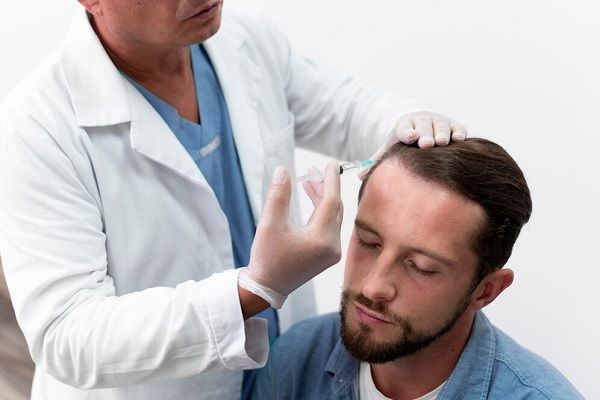
With the prominence of hair loss among many adult males and females, hair transplant has been a ray of hope for those who want their hair restored. It’s a surgical procedure involving the transfer of hair taken from an abundant site to be implanted on a deficient site. It’s an effective regenerative treatment, but it’s not as easy as it looks.
The surgery requires the skills of proven surgeons to provide anticipated results that help hair loss patients recover their hair and self-esteem. The procedure is executed using follicular unit extraction and follicular unit transfer. Other notable techniques are rooted in these two primary methods. So no matter what they are called, their execution mode is usually the same as any of these two, with only slight modulations.
Follicular unit transplant is an old but effective method that involves a strip removal of a thin layer of skin with enough hair transferred to the hair deficient sites of the head. While follicular unit extraction is a new method that involves the removal of grafts individually which are implanted into the follicles in the deficient area using a punch. The reality about the two of these methods is that they are only effective if the patient follows the dos and don’ts after the operation. So, where does this leave sex after the operation?
Sex and hair transplant surgery

Irrespective of the technique used for hair transplant, patients are usually advised to avoid intense physical activities. In fact, people who are into physically demanding jobs are advised to take a leave of absence within their recovery period. Is it to stop people from knowing they’ve had a hair transplant or not to irritate them with the sight of the transplanted area?
No! Hair transplant patients are advised to avoid physically demanding activities after their hair transplant surgery because the transplanted grafts wouldn’t have found a firm rooting immediately after the surgery. In other words, the transplanted hair is usually susceptible to damage from the slightest touch a few hours and days after the transplant. And as that’s a possibility when the patient is engaged in physical activities, they are advised to be avoided.
Sweat is another aspect of physical engagement that can dislodge transplanted grafts apart from touch. Although sweating isn’t dangerous, you can’t disregard it. When you sweat on your head after a hair transplant, these sweats can block scalp access to air, complicating the healing phase after the surgery. In addition, sweats contain lactic acids, an excessive amount of which is potent to cause scalp dryness, flakes, and itching, which may lead to hair loss.
As you’re aware that touching and sweating are two unavoidable actions during sex, it’s advised that you avoid sex during your recovery phase post- hair transplant surgery. Also, during sex, the participants stand a chance to increase blood pressure and a faster heart rate. Although this increase and speed aren’t dangerous because they are usually at the same level as walking, they can cause blood flow around the transplanted area, leading to more bleeding than normal.
That’s essentially how a hair transplant affects sex life. The good news is that this effect is only temporary because you’re only required to avoid sexual activities during the healing period of your hair transplant surgery. Once that period is over, you can gradually begin the normal physical activities you used to do before the surgery. But you should also bear in mind that you can’t do anything that’ll complicate hair growth which is bound to show about two months later.
When you evaluate the hair transplant and sex, you’ll realize that one offers a longer and more permanent benefit, while the other offers only a momentary gain in pleasure. So why not postpone your momentary pleasure for a long-lasting reward of a head full of hair? Remember the saying that you can’t eat your cake and have it simultaneously.
When to have sex after hair transplant surgery

As you’re already aware that you can’t have sex during the healing phase after your surgery, the next question that’ll come to mind is, “when can I have sex after a hair transplant?”
The ideal time to have sex after a hair transplant is two weeks after the surgery. By this time, the grafts implanted into the scalp would have found a strong foothold that it’ll take a cut or a heavy blow to the head for them to fall off. You can even go a step further to making it a month after; this way, you’re sure you won’t complicate the outcomes of your hair restoration.
Frequently asked questions

How does hair loss impact self-esteem and sexual confidence?
Hair loss can lead to negative self-perception, significantly affecting a person’s confidence. When individuals experience thinning hair or baldness, they may feel less attractive, which can diminish their sexual allure. This reduction in confidence can create anxiety in intimate situations, making individuals hesitant to engage fully with their partners. As a result, those struggling with hair loss may find that their romantic relationships suffer, leading to a cycle of insecurity and decreased intimacy.
Can a hair transplant improve sexual relationships?
Absolutely. Many individuals report a renewed sense of confidence and self-worth after undergoing a hair transplant. This newfound assurance often translates into improved sexual relationships. When people feel better about their appearance, they are more likely to engage in intimate activities with enthusiasm. Improved self-esteem can foster deeper connections with partners, enhancing emotional intimacy and communication. Therefore, those curious about how hair transplant affects sex life will find that this procedure can positively impact their romantic life.
Are there any risks associated with hair transplants that could affect sexual performance?
While hair transplants are generally safe, some individuals may experience temporary side effects post-procedure, such as swelling or discomfort. However, these effects usually subside quickly and do not typically impact sexual performance. It’s essential to follow the surgeon’s post-operative care instructions to ensure a smooth recovery. If any complications arise, consulting a healthcare professional is crucial. Understanding the risks involved can help alleviate concerns about how hair transplant affects sex life.
What psychological effects can a hair transplant have on intimacy?
The psychological benefits of a hair transplant can be substantial. Many people experience a boost in self-esteem and body image after their procedure, leading to a more satisfying intimate life. This transformation can help individuals feel more secure and open in their relationships. Enhanced confidence often results in improved communication with partners, fostering a supportive environment for intimacy. Thus, understandinghow hair transplant affects sex life involves recognizing the emotional and psychological shifts that can occur post-surgery.
How long does it take to see results from a hair transplant?
Typically, it can take several months to see the full results of a hair transplant. Initially, the transplanted hair may fall out before new growth begins. Patients often notice new hair growth within three to six months, with full results visible after about a year. The anticipation of these results can create excitement and renewed hope for individuals seeking to improve their appearance. This timeline highlights the importance of patience and understanding during the recovery process, ultimately influencing how hair transplant affects sex life.
Will a hair transplant change how my partner views me?
In many cases, yes. Partners often appreciate the confidence boost that comes with a successful hair transplant. When individuals feel better about their appearance, they usually carry themselves differently, which can enhance attractiveness in the eyes of their partners. This shift can lead to deeper emotional connections and a more fulfilling sexual relationship. Consequently, understanding how hair transplant affects sex life is crucial for recognizing the potential positive changes in partner dynamics.
Do hair transplants have any impact on libido?
Hair transplants themselves do not directly affect libido. However, the increase in self-esteem and confidence that often accompanies the procedure can lead to a heightened interest in sexual activity. When individuals feel attractive and self-assured, they may be more inclined to engage in intimate relationships. Therefore, while the hair transplant does not inherently change libido, the psychological effects can significantly influence sexual desire and activity.
Can hair restoration lead to a more active dating life?
Yes, many people find that restoring their hair can lead to a more active dating life. Increased confidence often encourages individuals to seek out social interactions and romantic opportunities. The desire to connect with others can grow, resulting in a more fulfilling dating experience. Understanding how hair transplant affects sex life includes recognizing the potential for greater social engagement and romantic encounters following the procedure.
Conclusion
The positive outcome of a hair transplant surgery is tied to patients’ adherence to the dos and don’ts before and after the surgery. As you’re aware that sexual activities immediately after the surgery affect the outcomes, it’s better to abstain until after the surgery is fully healed. It’s safer to do this than take risks against medical provisions.