
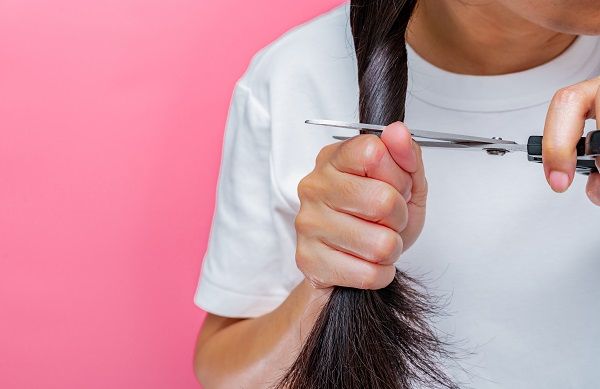
Yes, it is entirely possible to donate hair, and many organizations and charities around the world welcome these donations to create wigs for individuals suffering from hair loss due to medical conditions. Here’s how you can donate your hair and why it’s a meaningful act:
How to donate hair?
Donating your hair is a generous and impactful way to help individuals experiencing hair loss due to medical conditions. Here’s a step-by-step guide on how you can donate your hair:
Step 1: Research donation organizations

Different organizations have different requirements for hair donations. Some well-known organizations include:
- Locks of Love
- Wigs for Kids
- Pantene Beautiful Lengths
- Children With Hair Loss
Visit their websites to understand their specific guidelines and choose the one you want to donate to.
Step 2: Check the requirements
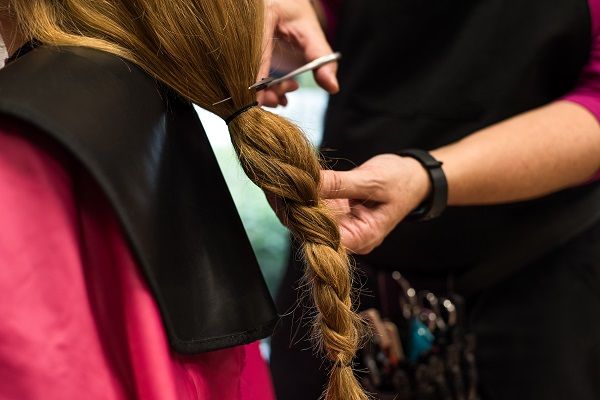
Each organization has specific requirements for hair donations. Common criteria include:
- Minimum length: Typically between 8 to 12 inches.
- Condition: Hair must be clean, dry, and free from chemical damage (such as excessive dyeing or bleaching).
- Type: Some organizations accept gray hair, dyed hair, or permed hair, while others do not.
Step 3: Prepare your hair
Before you cut your hair, follow these preparation steps:
- Wash and dry: Ensure your hair is clean and completely dry.
- No styling products: Avoid using any styling products like gels, mousses, or sprays.
Step 4: Section and secure your hair
To make the donation process easier:
- Divide your hair: Separate your hair into several small sections (usually 4-6) and secure each section with an elastic band.
- Tie near the roots and ends: Place one elastic band close to the roots and another just above where you plan to cut, ensuring the hair stays together in a ponytail or braid.
Step 5: Cut your hair

Visit a professional salon or have a trusted friend help:
- Cut Above the Elastic Band: Cut the hair just above the elastic band securing the ponytail or braid.
- Ensure the Length: Double-check that the length meets the minimum requirement.
Step 6: Package your hair
After cutting:
- Place in a Plastic Bag: Put the ponytail or braid in a plastic bag to keep it together and protected.
- Prepare for Shipping: Place the plastic bag in a padded envelope or box to ensure it doesn’t get damaged in transit.
Step 7: Send your hair donation
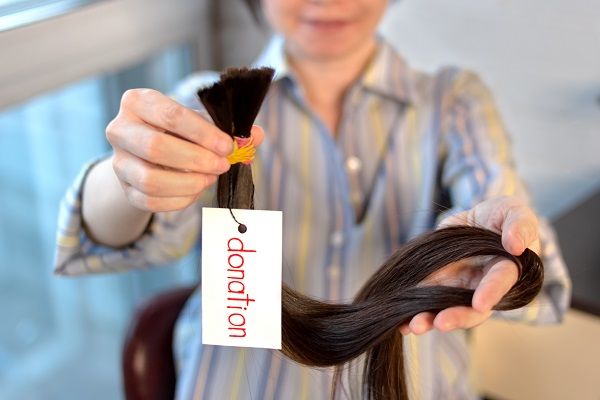
Include any required forms or information with your package:
- Address: Send it to the address provided by the organization.
- Forms: Some organizations have specific forms or donation slips to include.
Additional tips
- Consider a group donation: Coordinate with friends, family, or a community group to donate hair together, which can amplify your impact.
- Document the process: Take before-and-after photos to share your journey and inspire others to donate.
- Regular donations: If you frequently grow long hair, consider making hair donations a regular part of your routine.
Why donate hair?

Donating hair is a selfless act that can have a profound impact on the lives of those who are experiencing hair loss due to medical conditions. Here are several compelling reasons to consider donating your hair:
1. Support for cancer patients
Many cancer treatments, such as chemotherapy, can lead to hair loss. Wigs made from donated hair can help cancer patients regain a sense of normalcy and self-esteem during a challenging time.
2. Help for those with alopecia
Alopecia is an autoimmune disorder that causes hair loss. Donated hair can be used to create wigs for individuals suffering from this condition, providing them with a sense of confidence and normalcy.
3. Boost self-esteem and confidence
For individuals who have lost their hair due to medical conditions, a wig made from real hair can significantly improve their self-esteem and confidence. It helps them feel more like themselves and less defined by their condition.
4. Environmentally friendly
Donating hair is an environmentally friendly way to repurpose hair that would otherwise be discarded. It reduces waste and gives your hair a second life in the form of a wig for someone in need.
5. Raise awareness
Donating hair raises awareness about medical conditions that cause hair loss and the emotional impact they have on individuals. It encourages others to contribute and support those affected by these conditions.
6. Feel good about giving back
Knowing that your hair donation has made a positive difference in someone’s life is incredibly rewarding. It’s a simple way to give back to the community and show compassion for those in need.
7. Encourage a culture of giving
Your decision to donate hair can inspire others to do the same, creating a ripple effect of generosity and support. It helps foster a culture of giving and empathy within your community.
8. Minimal impact on donor
Hair grows back, and donating hair is a relatively easy process for the donor. By following specific guidelines for hair donation, you can ensure that your contribution meets the requirements for creating high-quality wigs.
Conclusion
Donating hair is a powerful and impactful way to support individuals who have lost their hair due to medical conditions. The process is straightforward, and the benefits are immense, providing emotional and psychological support to those in need. If you meet the requirements and are ready to make a difference, consider donating your hair today.