
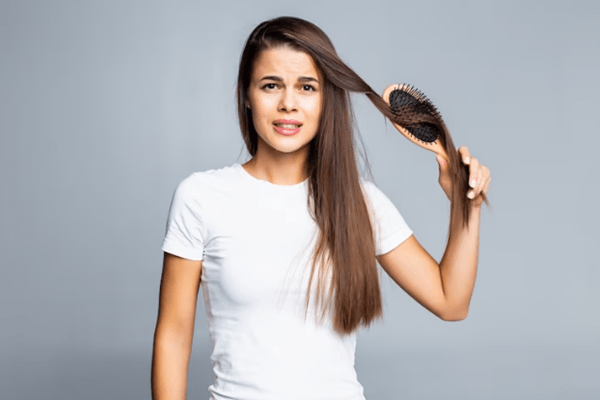
When hair is exposed to excessive heat, it can become burnt, causing significant damage to the hair shaft. Burnt hair is characterized by a dry, brittle texture, split ends, and a lack of shine. It can be caused by using heat tools, such as curling irons, straighteners, or hair dryers, at high temperatures, leaving the hair strands singed and damaged.
Burnt hair can be frustrating to deal with, as it is difficult to style and can look unhealthy. It is important to preserve the health and beauty of our hair, and with the right approach, we can achieve a gorgeous mane without sacrificing its health. Experiencing burned hair can be a distressing situation. Whether it’s from styling tools, chemical treatments, or accidental exposure to flames, the damage can be significant. Learning how to recover burned hair is essential for restoring your locks to their former glory. With the right techniques and products, you can nourish your hair back to health. For more insights on hair care, check out the benefits of vinegar for hair here
Things to note
Understanding the structure of our hair and the effects of different treatments on it can help us take steps to protect and strengthen our hair. It’s important to realize that excessive heat styling, chemical treatments, and environmental factors can damage our hair’s protective cuticle layer, leaving it prone to dryness, breakage, and other issues.
To minimize this damage, we can take measures such as using heat protectant products when heat styling our hair, minimizing the use of chemical treatments, and wearing protective gear such as hats or scarves when spending extended time in the sun.
Additionally, nourishing our hair with products that contain essential oils and proteins can help to repair damaged hair and restore its strength and shine. By taking a proactive approach to hair care and being mindful of the effects of different treatments and environmental factors, we can keep our hair looking and feeling healthy and vibrant.
What causes burnt hair?

Burnt hair can be caused by a variety of factors, ranging from excessive heat styling to chemical treatments and exposure to open flames. Here are some of the most common causes of burnt hair:
- Heat styling: Using hot tools like flat irons, curling irons, and blow dryers too frequently or at too high a temperature can cause the hair to become dry, brittle, and prone to breakage. This can lead to burnt hair over time, especially if you don’t use a heat protectant product.
- Chemical treatments: Chemical treatments like bleaching, coloring, and perming can also cause the hair to become dry and damaged, making it more prone to burning. If you’re not careful, these treatments can cause the hair to become brittle and break off.
- Exposure to open flames: Exposing your hair to open flames, such as from a stove or a candle, can also cause burnt hair. This can be especially dangerous if you have long hair that can easily catch fire.
- Overuse of hair products: Using too many hair products, such as hairspray or styling gel, can also contribute to burnt hair. These products can build up on the hair and scalp, making it difficult for the hair to breathe and causing it to become dry and damaged.
- Sun damage: Exposure to the sun’s UV rays can also cause the hair to become dry and damaged, making it more prone to burning. This is especially true if you spend a lot of time outdoors without wearing a hat or other protective headgear.
What are the signs of burnt hair?

The signs of burnt hair may vary depending on the severity of the damage. Here are some common signs to look out for:
- Foul smell: Burnt hair often emits a strong, unpleasant odor. It is similar to the smell of burning plastic or rubber.
- Brittle hair: Burnt hair may feel dry, brittle, and rough to the touch. It may break easily and appear frizzy or tangled.
- Discolored hair: Burnt hair may appear discolored, with sections that are darker or lighter than the rest of the hair. The color may also appear dull or lackluster.
- Split ends: Burnt hair may develop split ends, which can make the hair appear frayed and damaged.
- Hair loss: In severe cases, burnt hair may result in hair loss. This may be due to damage to the hair follicles or scalp.
How to repair burnt hair?

Here are a few things you can do to recover burnt hair:
Stop further damage
The first step in repairing burnt hair is to prevent further damage. This means avoiding heat styling tools and chemical treatments that can exacerbate the damage to your hair. Consider taking a break from heat styling and chemical treatments until your hair is back to a healthier state.
Restore moisture
Burnt hair is often dry and brittle, so the next step is to restore moisture to the hair. Deep conditioning treatments are essential to repairing the damage. Look for products that contain nourishing ingredients like keratin, argan oil, and shea butter. You can also consider using a leave-in conditioner to provide ongoing moisture and protection.
Trim regularly
Trimming your hair regularly is an important step in repairing burnt hair. Trimming can help remove split ends and prevent further breakage, promoting healthier growth. It’s recommended to trim your hair every 6-8 weeks, even if you’re trying to grow it out.
Detangle gently
Burnt hair can be more prone to tangling, so it’s important to detangle gently to minimize further damage. Use a wide-tooth comb or detangling brush, and start at the ends of your hair, working your way up. Don’t pull or tug on your hair, as this can lead to breakage.
Focus on nutrition and hydration
Proper nutrition and hydration can also help repair burnt hair from the inside out. Make sure you’re drinking plenty of water and eating a balanced diet that’s rich in vitamins and minerals. You may also want to consider taking a hair supplement that contains biotin, vitamin D, and other nutrients that support healthy hair growth.
Be patient
Repairing burnt hair is a process that takes time and patience. Don’t expect overnight results, and be gentle with your hair as it grows out. With consistent care and attention, you can repair the damage to your hair and restore its health and vitality over time.
In summary, repairing burnt hair requires a multi-step approach that includes avoiding further damage, restoring moisture, trimming regularly, detangling gently, focusing on nutrition and hydration, and being patient. With these strategies in place, you can repair the damage to your hair and enjoy healthy, beautiful locks once again.
Frequently asked questions
How long does it take for burned hair to heal?
The healing process for burned hair varies depending on the extent of the damage. Minor burns may improve within a few weeks, while severe burns can take several months. It’s crucial to assess the damage and adjust your hair care routine accordingly. Regular trims can help remove damaged ends and promote healthier growth. Additionally, investing in deep conditioning treatments can expedite the healing process.
Can I still style my hair if it’s burned?
While it’s possible to style burned hair, caution is paramount. Heat styling tools can exacerbate existing damage, leading to further breakage. Opt for heat-free styling methods, such as braiding or using hair accessories, to minimize stress on your locks. If you must use heat tools, ensure your hair is well-prepped with a heat protectant. Always choose lower heat settings to prevent additional harm.
Should I cut my burned hair?
Deciding whether to cut burned hair depends on the damage’s severity. If your hair is split, frayed, or severely burnt, trimming is often the best option. Cutting away damaged sections allows your hair to grow back healthy and strong. However, if the damage is minimal, you might consider nourishing treatments instead of a haircut. Consulting with a professional stylist can provide personalized advice based on your hair’s condition.
What products should I use for burned hair?
Using the right products is crucial for healing burned hair. Look for moisturizing shampoos and conditioners that contain nourishing ingredients, such as argan oil, shea butter, or aloe vera. Deep conditioning masks can provide an extra boost of hydration. Avoid products containing sulfates or alcohol, as these can further strip your hair of moisture. Additionally, consider leave-in conditioners for added protection throughout the day.
Is it safe to use oils on burned hair?
Yes, using oils can be beneficial for burned hair, but moderation is key. Natural oils, such as coconut oil, olive oil, or jojoba oil, can help restore moisture and shine. They also provide a protective barrier against environmental damage. Apply a small amount to the ends of your hair, avoiding the roots to prevent greasiness. Always perform a patch test to ensure you don’t have an allergic reaction.
Can I color my hair after it has been burned?
Coloring burned hair is generally not advisable until it has fully healed. The chemicals in hair dye can further weaken already damaged strands. If you’re eager to change your hair color, wait until your hair is healthier. In the meantime, focus on nourishing treatments and trims. Once your hair regains strength, consider consulting a professional colorist for safer options.
What should I avoid doing to burned hair?
To effectively heal burned hair, avoid heat styling, harsh chemicals, and excessive washing. Heat can worsen damage, while chemicals can strip essential moisture. Limit washing to two or three times a week to preserve natural oils. Additionally, avoid tight hairstyles that can cause tension and breakage. Instead, embrace loose styles that allow your hair to breathe and recover.
How can I prevent future hair burns?
Preventing future hair burns involves adopting safe hair care practices. Always use heat protectants before styling with heat tools. Set tools to lower temperatures and limit their use. When using chemical treatments, follow instructions carefully and conduct patch tests. Regular trims can help maintain overall hair health and reduce the risk of damage. Educating yourself about safe styling techniques will keep your locks looking fabulous.
Are there any home remedies for burned hair?
Home remedies can provide gentle care for burned hair. Consider using aloe vera gel, known for its soothing properties. Apply it directly to the damaged areas to promote healing. Honey is another effective remedy due to its moisturizing benefits. Mix honey with olive oil and apply it as a hair mask for added nourishment. Always rinse thoroughly and follow up with a conditioner to seal in moisture.
When should I see a professional for burned hair?
If your hair shows no improvement after several weeks of at-home care, it might be time to consult a professional. A hairstylist can assess the damage and recommend tailored treatments. If your scalp is also affected, seeking medical advice is crucial. Professional treatments, such as deep conditioning or keratin treatments, can significantly enhance your hair’s recovery process. Don’t hesitate to seek help when needed.