
Trichorrhexis nodosa is a hair disorder characterized by the presence of nodes or thickening along the hair shaft. This condition can lead to hair fragility, making strands more prone to breakage. Individuals experiencing trichorrhexis nodosa often notice split ends, dullness, and an overall decline in hair health. Understanding this condition is essential for anyone looking to maintain healthy hair. For those who are concerned about hair loss and related issues,premature balding is also a critical topic to explore.
This hair shaft abnormality can occur due to various factors, including environmental influences, chemical treatments, and genetic predispositions. People with trichorrhexis nodosa may find themselves struggling with daily hair care and styling. Fortunately, there are multiple treatment options available to help manage the symptoms and restore hair vitality. In this article, we will delve into the causes, effects, and potential treatments for trichorrhexis nodosa, providing insights for those affected by this condition.
What Are the Underlying Factors That Lead to Trichorrhexis Nodosa?

Trichorrhexis nodosa is sometimes a disorder that is passed down through families. The condition could be brought on by activities like blow drying, straightening the hair, excessive brushing, perming, or using excessive chemical products. Trichorrhexis nodosa can be caused by various underlying conditions, some of which are uncommon. Some of these conditions include:
- Insufficient production of thyroid hormone by the thyroid (hypothyroidism)
- Increased levels of ammonia in the blood (argininosuccinic aciduria)
- Iron deficiency
- Trichothiodystrophy (an inherited condition that produces brittle hair, skin conditions, and intellectual incapacity)
- Biotin insufficiency
Other causes include:
Menkes syndrome: This syndrome is a collection of disorders characterized by an aberrant maturation of the skin, teeth, hair, nails, or sweat glands. Menkes disease is a type of sex-linked recessive condition defined by a deficiency in the absorption of copper, which ultimately results in low levels of serum copper. Copper is required for the activity of the enzymes that contribute to the synthesis of keratin.
Therefore, patients with this illness have an innate keratinization fault, which leads to a twisting of the hairs (known medically as pili torti), trichorrhexis nodosa, and weaker hairs. Because the hairs that result from these genetic and metabolic problems are more vulnerable to trauma, they will likely exhibit the nodes characteristic of trichorrhexis nodosa.
Some families have an autosomal dominant inheritance pattern that causes a main congenital type of trichorrhexis nodosa present at birth. This type of ectodermal dysplasia can develop on its own or in conjunction with other mild ectodermal abnormalities.
In addition, trichorrhexis nodosa has been described in a patient with hypothyroidism. It is speculated that a buildup of mucin in the external root sheath is what triggers the hair-shaft deficiency by exerting pressure on the internal root sheath. Because of this accumulation, there may be a problem with the maturation and differentiation of matrix cells, which will lead to a growth deficiency in the hair shaft.
Trichorrhexis nodosa could also be a major aspect of trichohepatoenteric syndrome (THES). The disorder is an autosomal recessive syndrome also marked by severe diarrhea in childhood, immunodeficiency, facial dysmorphism, hypopigmentation, liver disease, cardiac deformities, and possibly platelet disorders, e.g., lowered platelet alpha-granules, unusual induced alpha granule content discharge, abnormal lipid additions, abnormal platelet canalicular system, and a limited number of microtubules. Mutations in the TTC37 gene have been associated with it.
A heterozygous germline mutation known as Ala111Thr was found in the proband of another disorder with dysmorphic features, which included cleft palate, hypotrichosis with trichorrhexis nodosa, oligodontia, and ridging of nails. This mutation was found in the P63 gene in both the proband and his mother.
What signs and symptoms are associated with trichorrhexis nodosa?

- Your hair can break easily, or it might give the impression that it is not growing.
- Under a microscope, the scalp area of African Americans reveals that hair tends to break off at the scalp before growing long.
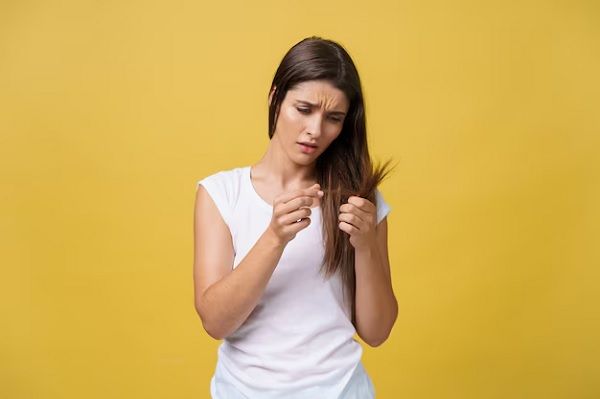
- When it affects other people, the issue most frequently manifests at the tip of the hair shaft, which might take the shape of breakouts, thinning hair, or white hair tips.
Three primary classifications can be applied to acquired trichorrhexis nodosa: proximal, distal, and localized.
The condition known as proximal trichorrhexis nodosa is quite common in black people who style their hair with caustic chemicals (relaxers). Involved hairs acquire distinctive nodes and snap off a few millimeters from the skin’s surface in regions of the body that are prone to friction from activities such as combing the hair or sleeping on the affected area. Because of this breakage, regions of alopecia have developed. Certain individuals are more vulnerable than others, which may have a basis in genetics.
People of white or Asian descent are most likely affected by distal trichorrhexis nodosa. A few inches out from the scalp, nodes, and breakage might form, resulting in hair that is uneven and lackluster in appearance.
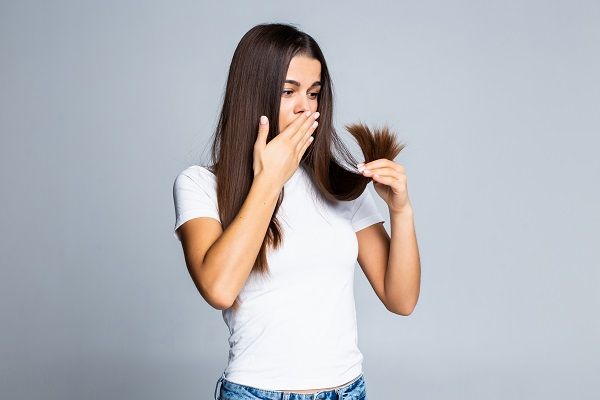
Breakage is typically the result of excess hair processing and is commonly related to trichoptilosis, also known as split ends. Trichoptilosis is a condition in which the hair splits in a longitudinal direction.
Trichorrhexis nodosa that is localized manifests as a patch that is often no more than a few centimeters wide. It is most likely that it was caused by constant scratching and rubbing. It is often accompanied by pruritic dermatoses, like contact dermatitis, atopic dermatitis, or circumscribed neurodermatitis. Young men in certain regions of India are known to trigger trichorrhexis nodosa excessively, combing their hair.
The presence of trichorrhexis nodosa characterizes Menkes disease. Epilepsy is among the most prominent characteristics of this condition, beginning with an early focal status, followed by infantile spasms, and finally, multifocal and myoclonic epilepsy beyond 2 years.
Evaluations and checkups
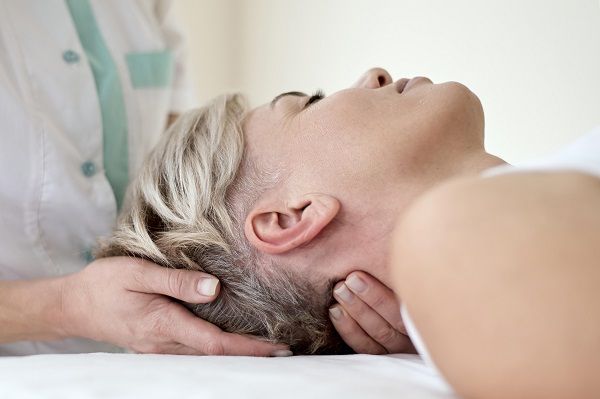
The hair and scalp are going to be examined by a medical professional. A few of the hairs will be examined more closely with a microscope. Experts may prescribe blood tests to screen for illnesses such as anemia and thyroid disease.
What kinds of treatments are available for patients who have trichorrhexis nodosa?
Trichorrhexis nodosa can be treated if the underlying condition is addressed. Your healthcare practitioner may suggest the following steps to help limit the amount of damage done to your hair:
- You should replace harsh brushing with gentle brushing done with a soft brush.
- Keeping away from harsh chemicals like those found in perms and straightening treatments
- Not using a hair dryer with a high heat setting for extended periods, and avoiding ironing the hair.
- Making use of mild shampoo and conditioner
What is the prognosis for trichorrhexis nodosa?
Improving one’s grooming methods and avoiding using items that are harmful to hair will assist in correcting the issue. This disorder is not harmful but can harm a person’s sense of self-worth.
Frequently asked questions
What are the main causes of trichorrhexis nodosa?
Trichorrhexis nodosa can arise from various causes, both internal and external. One of the most common factors is physical damage to the hair. Regular use of heat styling tools, such as flat irons and curling wands, can weaken hair strands over time. Additionally, rough handling during brushing or tying hair can lead to breakage and the formation of nodes.
Chemical treatments also play a significant role in the development of trichorrhexis nodosa. Frequent coloring, perming, or relaxing can strip hair of its natural moisture and strength, making it more susceptible to damage. Environmental factors, such as exposure to harsh weather conditions or pollution, can further exacerbate the issue. Understanding these causes is crucial for anyone looking to prevent or manage this hair condition effectively.
How can trichorrhexis nodosa be diagnosed?
Diagnosing trichorrhexis nodosa typically involves a comprehensive examination by a dermatologist or a trichologist. The healthcare professional will evaluate the hair and scalp, taking note of any visible abnormalities. They may ask questions about the patient’s hair care routine, medical history, and lifestyle factors that could contribute to the condition.
In some cases, a hair pull test may be conducted to assess hair strength and elasticity. This test helps determine if hair is more susceptible to breakage. While trichorrhexis nodosa is often identified visually, additional tests may be necessary to rule out other underlying conditions or deficiencies. Proper diagnosis is essential to tailor an effective treatment plan for individuals experiencing symptoms.
What treatment options are available for trichorrhexis nodosa?
Treatment options for trichorrhexis nodosa focus on repairing and strengthening the hair. One of the first steps is to modify hair care routines. Switching to gentle shampoos and conditioners that are sulfate-free can help maintain moisture levels. Additionally, using a wide-toothed comb can minimize breakage during detangling.
Professional treatments, such as deep conditioning masks or protein treatments, can provide extra nourishment to weakened hair. These treatments help to fortify hair strands and restore their natural shine. In severe cases, individuals may benefit from consulting a dermatologist for medical-grade treatments or supplements that promote hair health.
Can lifestyle changes help manage trichorrhexis nodosa?
Yes, making certain lifestyle changes can significantly impact the management of trichorrhexis nodosa. A balanced diet rich in vitamins and minerals, particularly biotin and omega-3 fatty acids, can promote hair strength. Staying hydrated also plays a crucial role in maintaining overall hair health.
Furthermore, reducing the frequency of heat styling and chemical treatments can minimize damage. Protective hairstyles can shield hair from environmental stressors and reduce breakage. By adopting these lifestyle changes, individuals can improve their hair’s resilience and appearance over time.
Is trichorrhexis nodosa a permanent condition?
Trichorrhexis nodosa is not necessarily a permanent condition. With appropriate care and treatment, individuals can experience significant improvements in hair health. The key lies in identifying and addressing the underlying causes of the disorder. By making necessary adjustments in hair care routines and lifestyle choices, many people see positive results.
However, maintaining this progress requires ongoing commitment. Regularly assessing hair health and being mindful of damaging practices can help sustain improvements. While some individuals may have a genetic predisposition to hair fragility, managing the condition can lead to healthier, more resilient hair over time.