

Understanding hair pH is essential for anyone who desires vibrant, healthy locks. Hair pH refers to the acidity or alkalinity of your hair and scalp, which typically ranges from 4.5 to 5.5. Maintaining this balance is crucial for the overall health of your hair. When hair pH levels are disrupted, they can lead to various issues, such as dryness, frizz, or even damage. You can learn more about how habits like sleeping with wet hair can affect your hair health here.
The impact of hair pH extends beyond mere appearance; it influences how well your hair can retain moisture and resist damage. When the pH is too high, hair cuticles can lift, leading to frizz and breakage. Conversely, if the pH is too low, it can result in overly tight cuticles, making it difficult for moisture to penetrate. Understanding and maintaining the right hair pH is crucial for achieving that lustrous, healthy look we all desire.
Hair pH

The potential of hydrogen, or pH, is among the most significant aspects of hair care, although receiving very little attention. It changes the strand’s texture and appearance, ability to absorb water and the shape of its curls. To be more exact, the pH of the items used on the hair directly influences the cuticles.
The degree to which anything is acidic or alkaline can be determined using a scale known as pH. The range of values for pH on the scale is from 0 – 14. The acidic part of the scale goes from 0 to 6, whereas the alkaline part goes from 8 to 14. On the pH spectrum, 7 is the value that indicates neutrality. In general, the pH of our skin ranges from 5.5 to 5, which places it in the acidic range.
Natural components and activities don’t always keep the pH at its appropriate level. When this happens, a wide variety of hair problems can arise because the pH of our hair shifts toward the alkaline end of the scale.
Certain chemical treatments, hair products, shampoos, etc., impacts the hair’s pH level. The cuticle, the outer part of your hair, will be the first to be damaged, and the damage may then spread to the layers beneath it. Aside from the obvious damage, your hair will also be dry and brittle. This pH imbalance will also possibly cause dandruff to appear on the scalp.
Relationship between pH and hair

The hair pH in the acidic range is 4.5 to 5.5, and keeping it at this range is vital for the overall health of the hair. As was previously established, pH has a significant influence on how cuticles behave. Imagine the cuticles comprised of thousands of minute scales that, depending on the circumstances, can either be open or closed.
Some products cause the cuticles to close, which gives the hair an overall smoothness; other products cause the cuticles to lift, which creates a frizzy and rough appearance in the hair. Because the natural oils generated by the scalp are rather acidic, this inhibits the growth of fungi and kills germs on the hair and scalp.
Products having a pH greater than 5.5 can help soften and lift the cuticles on the nails. Products having a pH that is lower than 5.5 are known to have a contracting effect on the cuticles.
Dangers of alkaline hair products
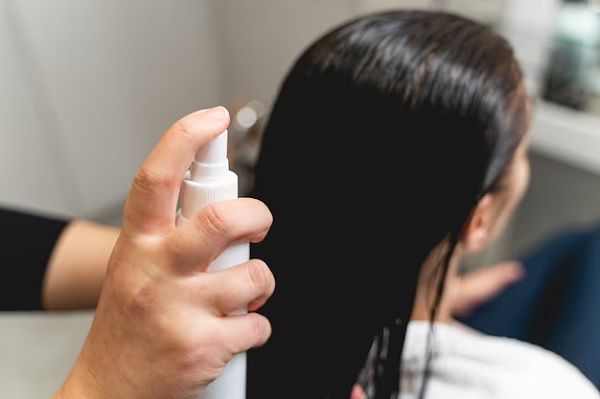
The bulk of styling and coloring hair products have extremely high pH levels. Chemicals with a pH greater than 13 should not be used unless first neutralized with water before usage. An extremely alkaline environment might be harmful to one’s skin and hair.
The perfect pH level for hair products

As one moves up the spectrum from 0 – 6, things become increasingly acidic. Products and treatments with a pH level lower than 4.5 help seal the hair cuticle, making it more effective in retaining moisture, nourishment, and protein. An extremely acidic environment can cause damage to the skin and hair. You should not use chemicals with a pH lower than 2 without being neutralized with water first.
How to check a product’s pH level?
Although this information ought to be included on the labels of all skin and hair products, some companies decide not to include it. Specialists recommend contacting them personally and requesting them to release this information. When all else fails, they recommend looking into obtaining an online pH test; many of them are very user-friendly.
How can you keep your hair and scalp at a healthy pH level?
If your hair and scalp’s pH isn’t where they should be for optimal health, you can adjust it.
Utilizing products that experts developed expressly to balance one’s hair and scalp pH and bring it back to its optimal levels is among the most effective methods to get started with regulating one’s hair and scalp pH.
Clinical study has shown that regular use of a balancing shampoo results in a 30% reduction in the amount of hair that is broken as compared to using regular shampoo alone. Balancing shampoo is designed with zinc pyrithione to treat dandruff and eliminate scalp flaking. Additionally, this shampoo has novel components such as coconut oil, squalene, and algae extract to hydrate and moisturize the scalp. Its formulation does not contain any parabens, sulfates, phthalates, or dyes.
In addition, it has been formulated to maintain the pH level of your scalp within the normal range, which means that you won’t have to be concerned about the issues associated with pH imbalances. The pH levels and the amount of protein and moisture in your hair are significantly responsible for the health of your scalp. Taking care of one’s scalp is essential and ensuring that the hair is nourished from the root to the tip.
Why is the pH level important for hair care?
Because a healthy head of hair begins at the roots, understanding the science that underlies hair growth is important. Here are three main reasons why pH-balancing haircare is vital for attractive, healthier-looking, shiny hair.
1. Prevent bacteria growth in hair
A regular pH balance aids in closing hair cuticles, preventing undesirable splitting and locking in essential oils. It functions as a defense against bacteria and fungi. The optimal pH range for this purpose is between 4.5 and 5.5.
2. Stimulate hair growth
Losing hydration can hinder hair development as strands grow dry and brittle. Using hair products with a higher alkali content causes follicles to expand, which in turn causes them to release more moisture. Supporting hair development can be accomplished by using a shampoo and conditioner with a pH balance designed to remove the buildup of chemicals and dead cells without depleting the hair’s natural moisture.
3. Maintain moisture
The secret to magnificent hair that seems healthier, shiny, and full of life is moisture. If your hair is allowed to become dehydrated, it will likely become dry, dull, and more prone to breaking. Sebum is a naturally occurring oil that protects the scalp and hair to maintain health and moisture.
Frequently asked questions
What is the ideal pH level for hair?
The ideal pH level for hair typically falls between 4.5 and 5.5. This slightly acidic range helps to keep the hair cuticles closed, which protects the inner structure of the hair. A balanced pH level ensures that the hair retains moisture effectively and remains resilient against environmental stressors. When the pH is too high, the cuticles can lift, leading to dryness and frizz. Conversely, a lower pH can make the hair feel brittle and overly stiff. Regularly checking the pH of hair products can help maintain this balance.
How does pH affect hair health?
pH plays a vital role in hair health by influencing the behavior of hair cuticles. Cuticles are the outermost layer of hair strands, and their condition determines how smooth or frizzy the hair appears. When the hair’s pH is balanced, the cuticles lie flat, resulting in shinier and smoother hair. However, if the pH is off-balance, the cuticles can lift, exposing the inner layers of hair to damage and moisture loss. This imbalance can lead to various problems, including split ends and breakage, making it essential to maintain optimal pH levels.
Can hair products alter the pH of my hair?
Yes, many hair products can alter the pH of your hair. Shampoos, conditioners, and treatments often have specific pH levels designed to either restore balance or address particular hair concerns. For instance, clarifying shampoos generally have a higher pH to remove product buildup, while conditioning treatments may have a lower pH to help smooth the cuticles. It’s important to choose products that align with your hair’s needs. Regularly using pH-balanced products can help maintain that healthy equilibrium.
How can I test the pH of my hair?
Testing the pH of your hair can be done using pH test strips, which are widely available online or in stores. To test, dampen a small section of hair and place the strip against it. Compare the color change to the pH scale provided with the strips. Alternatively, some salons offer pH testing as part of their services. Understanding your hair’s pH can guide you in selecting appropriate products that help maintain its health.
What are the symptoms of pH imbalance in hair?
A pH imbalance in hair can manifest in several noticeable symptoms. If your hair feels dry, brittle, or frizzy, it may indicate a high pH level. On the other hand, if your hair is overly oily or feels heavy and limp, it might suggest a low pH level. Additionally, frequent tangling and split ends can also signal issues with the hair’s pH balance. Addressing these symptoms often involves using pH-balanced products and adjusting your hair care routine.
Is it possible to restore the pH balance of my hair?
Yes, restoring the pH balance of your hair is achievable through various methods. Using pH-balanced shampoos and conditioners plays a significant role in this process. Additionally, incorporating natural ingredients like apple cider vinegar can help restore acidity to the hair. Rinsing hair with diluted vinegar can close the cuticles and improve shine. Regularly assessing your hair care products and adjusting them as needed will support ongoing pH balance.
How often should I check my hair’s pH?
While it’s not necessary to check your hair’s pH frequently, doing so every few months can be beneficial, especially if you notice changes in your hair’s texture or health. If you frequently switch hair products or treatments, testing can help ensure that your hair remains within the ideal pH range. Keeping an eye on your hair’s response to products will also give you clues about any adjustments needed in your routine. Regular checks will guide you in maintaining the health of your hair effectively.