

The Choi implanter pen is a device used in hair transplantation procedures to implant hair grafts into the recipient area of the scalp. It was invented by Dr. John Choi, a hair restoration surgeon, as an alternative to traditional hair transplantation techniques. The Choi Implanter pen consists of a needle-like tool with a hollow center and a plunger mechanism that can load hair grafts and implant them directly into the scalp without creating any incisions.
This method of implantation allows for precise insertion of the hair grafts, resulting in a more natural-looking hairline. Compared to traditional hair transplantation methods, the Choi implanter pen has several advantages. It speeds up the process of implanting hair grafts, reducing the overall procedure time. Additionally, it minimizes damage to the grafts, which improves the survival rate and overall growth of the transplanted hair. For those interested in advanced hair restoration techniques, exploring options like hair cloning can provide valuable insights.
How does the Choi implanter pen work?
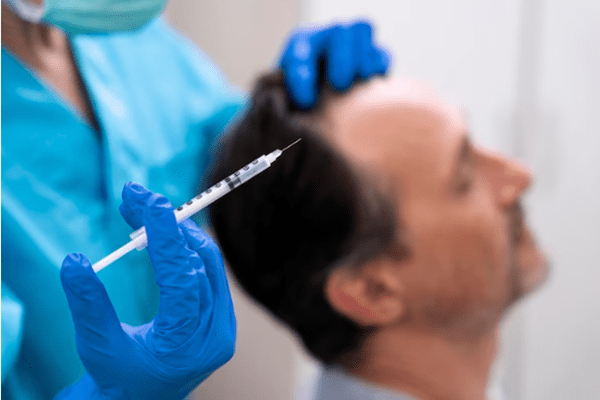
The Choi Implanter pen is a tool used to implant hair grafts directly into the recipient area of the scalp, without the need for skin incisions. Hair grafts are removed from the donor area and then loaded into the hollow needle of the Choi Pen. The hollow needle is attached to a piston through a tube, and the grafts are then implanted into the bald spot at a precise angle of 40-45 degrees.
How is the choi implanter used?
The Choi implanter pen is used in hair transplantation procedures to implant hair grafts directly into the recipient area of the scalp. The process begins by removing hair grafts from the donor area of the scalp. The hair grafts are then loaded into the hollow needle of the Choi implanter pen, which is attached to a piston through a tube.
The hair grafts are then implanted into the bald spot of the scalp at a precise angle of 40-45 degrees. This precise angle allows for a more natural-looking hairline. The implantation process is quick, and the Choi implanter pen minimizes damage to the grafts, resulting in a higher survival rate and better overall growth of the transplanted hair.
The Choi implanter pen also allows for the use of multiple pens with different needle sizes throughout the procedure. This enables the surgeon to match the size of the grafts with the appropriate needle size, ensuring that the grafts are implanted at the correct angle and depth, resulting in a more natural-looking hairline.
Compared to traditional hair transplantation methods, the Choi implanter pen offers several advantages. It eliminates the need for skin incisions, resulting in a less invasive procedure. It also speeds up the implantation process, reducing the overall procedure time. Finally, it minimizes damage to the grafts, resulting in a higher survival rate and better overall growth of the transplanted hair.
Advantages of the Choi implanter pen
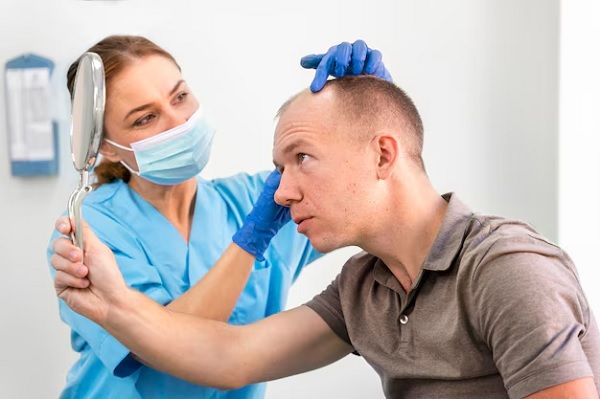
Compared to traditional hair transplantation methods, the Choi implanter pen offers several advantages. They include the following:
Survival rates of transplanted follicles
The efficiency and speed of the Choi implanter pen have also led to an improvement in the survival rates of transplanted follicles. Other methods require the grafts to be kept outside the patient’s body while the doctor opens the channel. This can be a delicate process, as unfrozen follicles can only survive outside the body for up to 6 hours.
Use of multiple Choi Pens
Depending on the patient’s demands, up to 6 Choi Pens with different needles can be used throughout the procedure to match the size of the grafts. This ensures that the grafts are implanted at the correct angle and depth, resulting in a more natural-looking hairline.
Improved Implantation Density
The Choi Implanter Pen has also improved the implantation density of hair follicles. In traditional hair transplant procedures, the surgeon has to create implantation channels to insert the hair follicles. However, with the Choi Implanter Pen, this step is not necessary, and the grafts can be directly placed into the device, making the process simpler and more efficient. Furthermore, single hair grafts can be inserted safely and accurately, resulting in an increased number of grafts in a given location.
Disadvantages of Choi Implanter Pen in hair transplant

The technique has its disadvantages. They include the following:
Requires more effort and training from the medical team
One of the major disadvantages of using the Choi Implanter Pen in hair transplant is that it requires more effort and training from the medical team. This is because the Choi Implanter Pen technique requires the medical team to make smaller incisions in the scalp, which means that they need to be more precise in their work. The medical team also needs to have a thorough understanding of the anatomy of the scalp and hair follicles.
More expensive than other techniques
Another disadvantage of using the Choi Implanter Pen technique is that it is more expensive than other techniques. This is because the Choi Implanter Pen is a relatively new technique, and it requires specialized equipment and training. The additional costs associated with this technique are passed on to the patient, making it more expensive than other hair transplant techniques.
Up to a certain amount of grafts: 3500-4000
The Choi Implanter Pen technique is not suitable for larger hair transplant procedures. It can only implant up to a certain amount of grafts, usually between 3500-4000. This means that if a patient requires a larger hair transplant procedure, another technique will need to be used, which can be an inconvenience and add additional costs.
Not the best option for very curly hair
Another disadvantage of using the Choi Implanter Pen technique is that it is not the best option for very curly hair. The Choi Implanter Pen technique requires the hair follicles to be straight, which can make it difficult to implant curly hair follicles. This can result in a less natural-looking hair transplant for those with curly hair.
Frequently asked questions

What is the Choi implanter pen?
The Choi implanter pen is a specialized device used in hair transplant surgeries. It allows surgeons to implant hair follicles with remarkable precision. The pen features a hollow needle that holds the follicle and injects it into the scalp. This technique helps achieve optimal angles and depths, resulting in a more natural appearance. Its ergonomic design enhances the surgeon’s control during the procedure, making it a preferred choice for many clinics.
How does the Choi implanter pen work?
The Choi implanter pen operates by utilizing a unique mechanism that enables the simultaneous extraction and implantation of hair follicles. Surgeons first extract follicles using a micro-punch tool. Once extracted, the follicles are inserted into the implanter pen. The surgeon then positions the pen at the desired location on the scalp. By pressing on the pen, the follicle is precisely implanted into the recipient site. This streamlined process minimizes handling of the follicles, reducing the risk of damage.
What are the advantages of using the Choi implanter pen?
Using the Choi implanter pen offers several advantages over traditional hair transplant methods. One of the primary benefits is the enhanced precision in follicle placement. Surgeons can control the angle and direction of each hair, which is crucial for achieving a natural look. Additionally, this method reduces trauma to the scalp, leading to quicker recovery times. Patients often experience less swelling and discomfort compared to traditional techniques.
Is the Choi implanter pen suitable for everyone?
While the Choi implanter pen is effective for many individuals, it may not be suitable for everyone. Factors such as the extent of hair loss, scalp condition, and hair type can influence the success of the procedure. A thorough consultation with a qualified surgeon is essential to determine the best approach for each patient. Surgeons can assess individual needs and tailor treatments accordingly, ensuring optimal results.
How does recovery differ with the Choi implanter pen?
Recovery after using the Choi implanter pen tends to be smoother compared to traditional methods. Patients often experience less post-operative discomfort and swelling. The minimally invasive nature of the procedure contributes to quicker healing times. Most individuals can return to their normal activities within a few days. However, following post-operative care instructions is crucial for ensuring the best results and minimizing the risk of complications.
Are there any risks associated with the Choi implanter pen?
Like any medical procedure, using the Choi implanter pen carries some risks. Possible complications include infection, scarring, or poor hair growth. However, these risks are generally low when performed by an experienced surgeon. It’s essential to choose a qualified professional who understands the nuances of the technique. By doing so, patients can minimize their chances of encountering issues during recovery.
How much does a hair transplant with the Choi implanter pen cost?
The cost of a hair transplant using the Choi implanter pen can vary widely based on several factors. These include the surgeon’s expertise, the clinic’s location, and the number of grafts required. On average, patients can expect to pay between $3,000 and $15,000 for the procedure. It’s crucial to consider the quality of care and the surgeon’s experience rather than focusing solely on price.
What results can patients expect from a hair transplant using the Choi implanter pen?
Patients can expect natural-looking results when undergoing a hair transplant with the Choi implanter pen. The precise placement of hair follicles allows for a more realistic hairline and overall appearance. Results typically become visible within a few months after the procedure, with full results appearing around 12 months post-surgery. Following the surgeon’s care instructions can help enhance the final outcome and ensure healthy hair growth.