
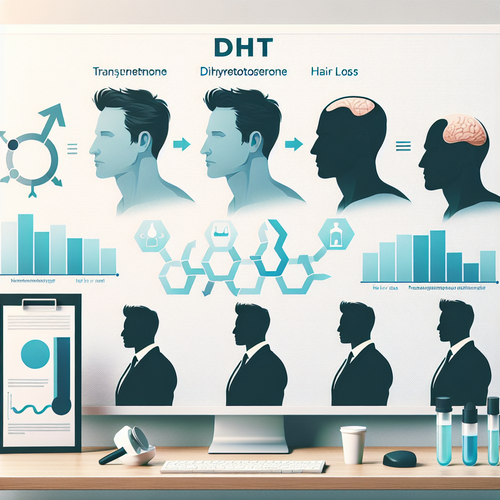
Dihydrotestosterone, commonly known as DHT, is a hormone that plays a significant role in the body, particularly in the development of male physical characteristics. Many people are unaware of its intricate links to various aspects of health and, notably, baldness. In this article, we’ll delve into the definition of DHT, its functions in the body, and how it connects to hair loss, especially in men.
What is DHT?
Dihydrotestosterone is an androgen, a type of hormone that is critical in the development and maintenance of male traits. It is derived from testosterone, the primary male sex hormone, through a process called 5-alpha reductase. This enzyme converts testosterone into DHT, which is more potent than testosterone itself. DHT is responsible for various biological processes, such as the growth of facial hair, body hair, and the deepening of the voice during puberty.
The Role of DHT in the Body
Besides its role in male characteristics, DHT is involved in several bodily functions, including:
- Prostate Development: DHT is essential for the normal development of the prostate gland. However, excessive levels can lead to conditions such as benign prostatic hyperplasia (BPH).
- Hair Follicle Regulation: DHT influences hair follicles, particularly on the scalp. Its effects can be both beneficial and detrimental, which leads us to its link with baldness.
- Libido and Sexual Function: DHT contributes to sexual drive and function in both men and women.
The Connection Between DHT and Hair Loss
One of the most significant impacts of DHT is its connection to hair loss, especially androgenetic alopecia, which is commonly known as male or female pattern baldness. Let’s break this down.
How DHT Affects Hair Follicles
DHT interacts with androgen receptors in hair follicles, particularly those located in the frontal and crown areas of the scalp. While some hair follicles thrive in the presence of testosterone, they can become sensitive to DHT. When DHT binds to these follicles, it can shrink them, leading to progressive hair thinning and, eventually, loss.
Why Are Some People More Affected Than Others?
The effects of DHT on hair follicles are often related to genetic predisposition. People with a family history of baldness are more likely to have hair follicles that are sensitive to DHT. This genetic factor can trigger a cascade of events leading to hair thinning. Moreover, the levels of DHT vary among individuals, making some more susceptible to its effects.
Phases of Hair Growth and DHT
To fully understand the impact of DHT on hair loss, it is essential to comprehend the hair growth cycle, which consists of three main phases:
- Anagen Phase: This is the active growth phase, where hair follicles produce new hair. The duration of this phase varies but can last for several years.
- Catagen Phase: This transitional phase lasts a few weeks, where hair growth stops, and the hair follicle shrinks.
- Telogen Phase: In this resting phase, the hair is released, and typically, the follicle goes dormant for a few months before beginning the cycle again.
High levels of DHT can shorten the anagen phase, leading to less time for hair to grow and increasing the chances of hair falling out. Over time, these cycles lead to thinner hair and eventual baldness.
Preventing and Treating DHT-Induced Hair Loss
Understanding the link between DHT and hair loss has spurred various prevention and treatment options. Here are some common methods:
Medications
Several medications can help in managing hair loss caused by DHT:
- Finasteride: This oral medication inhibits the 5-alpha reductase enzyme, which reduces DHT levels in the scalp. Many users have reported positive results regarding hair regrowth and slowed baldness.
- Minoxidil: Available over-the-counter, this topical solution promotes hair growth regardless of DHT levels. While it does not target DHT directly, it can help stimulate hair follicles.
Natural Remedies
Some individuals prefer natural solutions to manage DHT levels and promote hair growth. These remedies may include:
- Pumpkin Seed Oil: Known for its potential to inhibit the action of 5-alpha reductase, pumpkin seed oil may help reduce DHT levels.
- Green Tea Extract: Rich in antioxidants, it may have a beneficial effect on hair health and potentially reduce DHT levels.
- Palm Oil: Some studies suggest that certain compounds in palm oil may also play a role in blocking DHT.
Hair Transplant Surgery
For those with more advanced hair loss, hair transplant surgery can be an effective option. This procedure involves relocating hair follicles from dense areas to thinning or bald patches of the scalp. It provides a long-lasting solution to baldness, but it’s essential to consult a qualified professional to understand the risks and benefits involved.
Conclusion
DHT is a prominent hormone that plays a crucial role in various aspects of health, notably male characteristics and hair loss. Its link to baldness can be frustrating for many, but understanding its functions allows individuals to make informed decisions regarding treatment options. Whether considering medication, natural remedies, or surgical interventions, addressing hair loss early can lead to improved outcomes and greater hair confidence.
While not all hair loss is preventable, knowledge about DHT equips you with the tools needed to tackle the issue head-on. If you’re experiencing hair loss, consulting with a healthcare professional or dermatologist can help you explore your options and find an appropriate treatment plan tailored to your needs.