Anabolic steroids and alopecia: understanding the link and impact on hair loss is crucial for anyone considering steroid use. Many individuals turn to anabolic steroids to enhance their athletic performance or improve their physique. However, few are aware of the potential side effects, particularly the risk of hair loss. Research indicates that the use of these substances can trigger or exacerbate conditions like androgenetic alopecia, leading to significant changes in hair density and health.
The relationship between anabolic steroids and hair loss is complex and multifaceted. While steroids can promote muscle growth and strength, they can also affect hormone levels in the body, particularly testosterone and dihydrotestosterone (DHT). An increase in DHT can damage hair follicles, leading to thinning hair and even baldness. For more information on related hair loss topics, you can visit this link: Hair Slugging: Causes of Hair Loss.
Steroids: an introduction

When discussing steroids as a generic pharmaceutical class, there are two types: corticosteroids and anabolic steroids.
Corticosteroids
Prescription drugs for reducing inflammation include corticosteroids. If you’ve ever experienced an extremely bad allergy to an insect bite, a corticosteroid may be administered to reduce the swelling. An example of a dermal steroid used for sensitivities like welts, rashes, and hives is hydrocortisone cream.
Additionally, corticosteroids are prescribed by doctors to weaken the immune system. Patients may receive them to address ailments like:
- Asthma
- Atopic eczema
- Crohn’s disease
- Multiple sclerosis
- Hay fever
A corticosteroid called prednisone is used by doctors for ailments like asthma, inflammatory bowel syndrome, and allergies. Hair loss is one of its adverse effects. It can, however, occasionally aid in hair regrowth.
Anabolic steroids

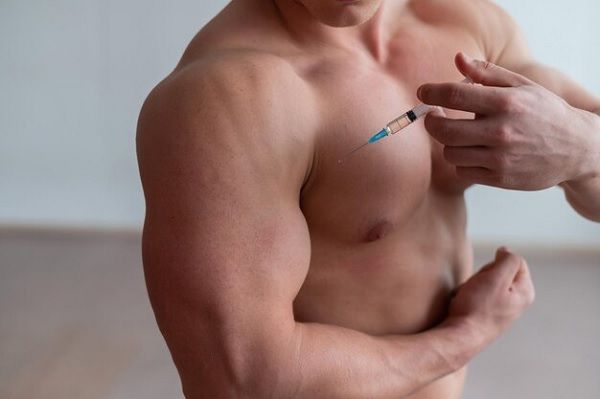
Drugs called anabolic steroids imitate the hormones the body naturally generates. They are frequently recommended for conditions where muscle mass loss is a symptom or to correct hormone imbalances. Because they resemble testosterone, athletes may use them illegally to add muscle mass.
Hair loss in men is a side effect of anabolic steroids, despite the fact that they can be used to cure some disorders. Additionally, hirsutism, or loss of hair, may develop in females who use anabolic steroids.
What steroids do to hair

Hair loss has been associated with both corticosteroid and anabolic use, and in certain circumstances, this hair loss may be irreversible. Steroids can reduce hair growth through a variety of routes. First, the growth of hair cells might be hampered by steroids. Second, steroids have the potential to kill healthy hair follicles. Furthermore, steroids may increase the amount of hormones that contribute to hair loss.
The excellent thing is that such effects are typically temporary. Even when steroids do result in hair loss, the hair usually grows back after you stop using them.
More information about hair and anabolic steroids
Male-pattern baldness is typically brought on by hormonal changes in males as they get older. It happens as a result of the body having more dihydrotestosterone, or DHT. The hormone DHT can connect to hair follicles, reducing them and speeding up the growth cycle of the hair.
There are a number of anabolic steroids available that increase DHT levels within the body as a side effect. Those who are more susceptible to increased DHT levels (those who are predisposed to male-pattern baldness) may probably develop hair loss as a result of anabolic steroid use.
Men who are predisposed to male-pattern baldness should stay away from the anabolic steroids listed below because they may result in hair loss:
- Anadrol
- Dianabol
- Anavar
- Primobolan
- Masteron
- Trenbolone
- Proviron
- Winstrol
Anabolic steroids can make women have more body hair while also making them lose scalp hair. Long-term use can cause irreparable hair loss.
More information on hair and corticosteroids
When alopecia areata, an autoimmune illness that results in significant hair loss, is present, corticosteroids may be used as a treatment option. When the body’s immune system targets the hair follicles, it results in extensive alopecia areata, which weakens and sheds hair. When hair follicles are injured, they have a difficult time growing new, healthy hair. Prednisone and other medications can help with alopecia areata-related hair loss.
Additional adverse effects of steroids
Anabolic steroids may result in hair loss; however, they also have other unfavorable side effects, such as:
- Acne
- Liver damage
- Mood swings
- Impotence and infertility
- High blood pressure
- Erectile dysfunction
- Stroke
- Some cancers
- Heart attack
- Blood clots
When used in moderation and as directed by a physician, corticosteroids are safe, but if used in excess, they can have some undesirable side effects. These include:
- Increasing hunger and gaining weight
- Acne
- Mood swings and variations in mood
- Thinned skin
- Muscle tremors
- Delayed healing of a wound
- Osteoporosis
- Diabetes
- High blood pressure
- Cataracts and glaucoma
- Peptic ulcers
- Suicidal thoughts, anxiety, and depression
How to prevent steroid hair damage
The first action you should take is to call your doctor for advice if you’re balding and think it might be caused by the anabolic steroids or corticosteroids you’re taking.
There are treatments available for people who have androgenetic alopecia, often known as female or male-pattern baldness, in both sexes. Finasteride and other DHT blockers are frequently recommended to aid in hair regrowth. Doctors frequently recommend other drugs like topical minoxidil since they’re thought to improve blood flow and promote hair growth. However, prescription medications and treatments for hair loss may have unfavorable side effects.
Using natural methods to stop hair thinning
There are numerous natural methods accessible if you want to fight hair thinning without using medication. The best strategy to prevent hair loss is to nourish the complete hair biome, in addition to discussing troublesome drugs with your doctor.
Carefully handle your hair: Take good care of your hair first and foremost. Avoid tight hairstyles, stay away from heated machines, and use mild, nourishing hair treatments when washing your hair.
Lessen Stress: Finding solutions to prevent stress from rising is important because baldness can be stressful. Exercise, quality time with loved ones, and meditation are suggested.
Apply a hair serum: Clinically proven phyto-actives included in effective hair serums combine to support a healthy, balanced follicular environment while also nourishing the scalp and reviving your hair follicles to promote thicker, fuller-looking hair. They are completely vegan, free of any known pollutants, and cruelty-free. If your hair biome has become out of balance due to your drugs, some may be able to restore it.
Frequently asked questions
What are anabolic steroids, and how do they affect the body?
Anabolic steroids are synthetic derivatives of testosterone, a hormone that plays a key role in muscle growth and development. These substances can enhance physical performance by increasing muscle mass and strength. However, the misuse of anabolic steroids can lead to a range of side effects, including hormonal imbalances, liver damage, and cardiovascular issues. When the body experiences elevated levels of testosterone, it converts some of it into dihydrotestosterone (DHT), a potent androgen that can negatively influence hair follicles.
How do anabolic steroids lead to hair loss?
The primary mechanism through which anabolic steroids cause hair loss is through the conversion of testosterone to DHT. This hormone binds to androgen receptors in hair follicles, leading to miniaturization and eventual loss of hair. Individuals who are genetically predisposed to androgenetic alopecia may experience accelerated hair loss when using anabolic steroids. The degree of hair loss often depends on the steroid type, dosage, and duration of use.
Are all forms of hair loss associated with anabolic steroid use permanent?
Not all hair loss associated with anabolic steroid use is permanent. Some individuals may experience temporary shedding that can improve once they cease steroid use. However, for those predisposed to androgenetic alopecia, the damage to hair follicles may be irreversible. It’s crucial to understand that continued use of anabolic steroids can lead to permanent hair loss, especially in individuals already susceptible to genetic hair loss.
Can hair regrowth occur after stopping anabolic steroids?
Hair regrowth after discontinuing anabolic steroids is possible, but it varies from person to person. In many cases, individuals may notice some improvement in hair density and health once they stop using steroids, particularly if they have not experienced significant follicular damage. However, regrowth may take time and is not guaranteed, especially for those with a genetic predisposition to hair loss. Consulting a healthcare professional can provide insights into personalized hair restoration options.
Is there a difference in hair loss effects between anabolic steroids and other performance-enhancing drugs?
While anabolic steroids are well-known for their connection to hair loss, other performance-enhancing drugs can also contribute to this issue. Drugs that influence hormone levels, such as certain prohormones and testosterone boosters, may have similar effects on hair follicles. However, the extent of hair loss varies based on the specific substance used and the individual’s genetic makeup. It’s essential to consider the potential side effects of any substance before use.
What are the long-term impacts of anabolic steroid use on hair health?
Long-term anabolic steroid use can lead to chronic hair loss and thinning, particularly in individuals already at risk for androgenetic alopecia. Prolonged exposure to elevated DHT levels can cause irreversible damage to hair follicles. Additionally, the overall health of the scalp may decline, leading to further complications. Understanding the potential long-term impacts is crucial for anyone considering anabolic steroids for performance enhancement.
Are there any treatments available for hair loss caused by anabolic steroids?
Several treatments are available for individuals experiencing hair loss due to anabolic steroid use. Minoxidil and finasteride are popular medications that can help promote hair regrowth and prevent further loss. Additionally, hair transplant procedures offer a more permanent solution for those seeking to restore hair density. It’s advisable to consult with a healthcare professional to determine the most appropriate treatment options based on individual circumstances.
How can individuals minimize the risk of hair loss while using anabolic steroids?
Minimizing the risk of hair loss while using anabolic steroids involves a combination of strategies. Individuals can choose steroids with a lower risk of converting to DHT or use them in moderation. Additionally, maintaining a healthy lifestyle, including balanced nutrition and proper hair care, can support overall hair health. However, the safest approach is to avoid anabolic steroids altogether and seek alternative methods for achieving fitness goals.