
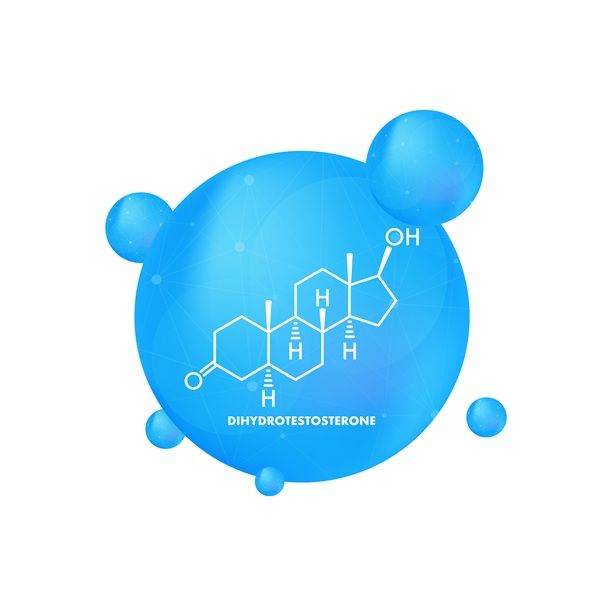
Dihydrotestosterone (DHT) is a potent androgen, a type of male sex hormone, derived from testosterone. It plays a crucial role in the development of male physical characteristics and other biological processes. Here’s a detailed overview:
What is DHT?
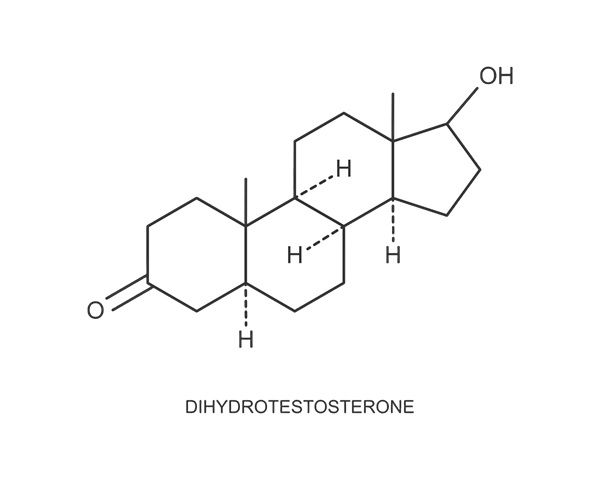
- Chemical nature: DHT is a derivative of testosterone, formed when the enzyme 5-alpha-reductase converts testosterone into DHT.
- Potency: DHT is significantly more potent than testosterone—about 2.5 to 10 times more—because it binds more strongly to androgen receptors.
How DHT Works
- Formation: Testosterone is converted into DHT in certain tissues (like the skin, prostate, and hair follicles) by the action of the 5-alpha-reductase enzyme.
- Binding to androgen receptors: Once formed, DHT binds to androgen receptors in various tissues, initiating changes in gene expression that lead to its effects.
- Physiological roles:
- During development:
- DHT is critical for the development of male external genitalia (e.g., the penis and scrotum) during fetal development.
- It influences the maturation of the prostate and seminal vesicles.
- Post-puberty:
- Plays a role in secondary sexual characteristics, such as increased body hair, deepening of the voice, and growth of facial hair.
- Maintains prostate function and libido in adult men.
- During development:
- Effects on hair and skin:
- Hair loss: DHT binds to androgen receptors in hair follicles, particularly on the scalp, causing them to shrink and produce thinner hair over time. This is a primary cause of androgenetic alopecia (male pattern baldness).
- Skin: DHT contributes to increased sebum production, which can exacerbate acne in some individuals.
Regulation and balance
Dihydrotestosterone (DHT) has significant clinical importance due to its critical role in various biological processes and its association with multiple health conditions. Understanding and managing DHT levels can have substantial implications for treating conditions related to hair loss, skin health, prostate function, and more. Below is a detailed overview of its clinical importance:
1. Conditions associated with excess DHT
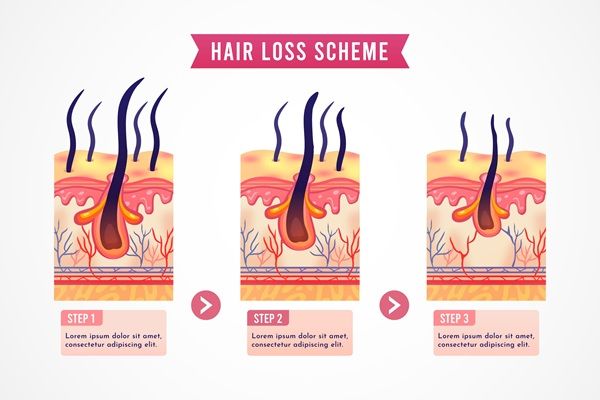
a. Androgenetic alopecia (male and female pattern hair loss):
- Mechanism: DHT binds to androgen receptors in hair follicles, causing miniaturization and eventual cessation of hair growth.
- Management:
- 5-alpha-reductase inhibitors: Drugs like finasteride (oral) and dutasteride reduce DHT levels.
- Topical Treatments: Minoxidil can promote hair growth by improving blood flow to hair follicles.
b. Benign prostatic hyperplasia (BPH):
- Mechanism: High DHT levels stimulate the growth of prostate tissue, leading to an enlarged prostate.
- Management:
- Medications like finasteride or dutasteride.
- Lifestyle changes, such as reducing fluid intake before bedtime.
- Surgical options in severe cases (e.g., TURP).
c. Prostate cancer:
- Association: Elevated DHT levels can stimulate the growth of prostate cancer cells.
- Management:
- Androgen Deprivation Therapy (ADT): Includes drugs to block DHT production or receptor binding.
- Monitoring and early diagnosis through PSA tests and prostate biopsies.
d. Acne and seborrheic dermatitis:
- Mechanism: DHT stimulates sebaceous glands, increasing sebum production, which can clog pores and exacerbate acne.
- Management:
- Anti-androgen medications (e.g., spironolactone in women).
- Topical treatments like retinoids and benzoyl peroxide.
2. Conditions associated with low DHT
- Androgen Insensitivity Syndrome (AIS): A genetic condition where the body’s tissues are resistant to DHT and other androgens, leading to incomplete male sexual development.
- Pseudohermaphroditism: Caused by 5-alpha-reductase deficiency, leading to incomplete masculinization of external genitalia in males.
- Reduced Libido and Infertility: Insufficient DHT may impair sexual function and reduce sperm production in men.
3. Maintaining DHT balance
- Natural Regulation:
- Exercise: Regular exercise, especially resistance training, can help maintain healthy testosterone and DHT levels.
- Diet: A balanced diet with adequate zinc, vitamin D, and healthy fats supports testosterone production and its proper conversion to DHT.
- Stress Management: Chronic stress can elevate cortisol, which may disrupt androgen levels.
- Lifestyle Adjustments:
- Avoiding anabolic steroids or supplements that artificially increase testosterone.
- Managing conditions like obesity, which can disrupt hormone balance.
4. Role in female health
- Although DHT is primarily considered a male hormone, it plays a role in women as well.
- Excess DHT in Women:
- Leads to conditions like hirsutism (excess hair growth) and polycystic ovary syndrome (PCOS).
- Management often involves anti-androgens like spironolactone or oral contraceptives.
5. Use of DHT modulators in therapy
5-Alpha-reductase inhibitors:
- Drugs like finasteride and dutasteride are widely used for conditions caused by excess DHT (e.g., hair loss, BPH).
- Side effects can include decreased libido, erectile dysfunction, and depression in some individuals.
Anti-androgen therapy: Medications like spironolactone, flutamide, and cyproterone acetate block the effects of DHT and are used for androgen-related conditions in both men and women.
Hormone replacement therapy (HRT): For conditions like low DHT, testosterone supplementation can indirectly increase DHT levels where needed.
6. Diagnostic and monitoring importance
- Hormone testing: Measuring DHT levels in the blood is essential for diagnosing androgen-related disorders.
- Prostate-specific antigen (PSA) testing: High PSA levels may indicate DHT-related prostate enlargement or cancer.
Key takeaway
The clinical importance of DHT lies in its broad influence on hair, skin, sexual health, and prostate health. Proper regulation and targeted therapies for DHT imbalances can significantly improve quality of life and reduce the risk of complications associated with excess or deficient levels.