

A beard is often considered a symbol of masculinity, maturity, and ruggedness. In many cultures, a thick and full beard is admired, and its presence can significantly contribute to one’s overall appearance. However, not every man is fortunate enough to have a naturally full beard. For men who suffer from patchy facial hair, thin beards, or bald spots in their beards, a beard transplant may be an appealing option. In this article, we will explore everything you need to know about beard transplants, from the procedure itself to recovery and potential risks.
What is it?
A beard transplant is a surgical procedure in which hair follicles are taken from a donor area (typically the back or sides of the scalp, where hair is more resilient) and transplanted into areas of the face where facial hair growth is sparse or absent. This procedure is similar to a traditional hair transplant, with the main difference being the location of the hair follicles being transplanted.
Beard transplants are typically performed on men who are experiencing patchy facial hair, thin beards, or lack of facial hair due to genetics, scarring, or other factors. The goal of the procedure is to create a fuller, more natural-looking beard by filling in bald spots or enhancing existing facial hair growth.
Why do people get beard transplants?
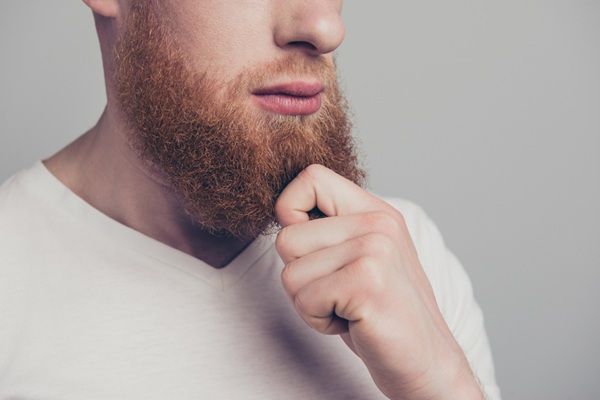
The reasons people choose to undergo beard transplants can vary, but some of the most common factors include:
- Genetics: Some men have difficulty growing facial hair due to their genetic makeup. Patchy or sparse beards can be a source of self-consciousness for many, leading them to explore the option of a transplant.
- Hormonal imbalances: Hormonal imbalances, such as low testosterone levels, can affect the growth of facial hair. Men who experience these imbalances may find that their facial hair growth is insufficient, even though they desire a fuller beard.
- Scarring: Scarring from acne, burns, or other injuries can prevent proper beard growth. A beard transplant can be used to cover these scars and restore a more natural-looking beard.
- Aesthetic preference: Some men simply prefer the look of a fuller, thicker beard and opt for a transplant to achieve their desired appearance.
- Age: As men age, their facial hair growth may slow down, leading to thinning or patchy beards. A transplant can help restore youthful fullness to the beard.
The beard transplant procedure
Beard transplants are typically performed under local anesthesia, which means that the patient will be awake during the procedure but will not feel any pain. The process can take several hours, depending on the number of hair follicles being transplanted.
There are two main techniques used in beard transplants: Follicular Unit Extraction (FUE) and Follicular Unit Transplantation (FUT).
1. Follicular Unit Extraction (FUE)
FUE is the most commonly used technique for beard transplants. It involves the extraction of individual hair follicles from the donor area, typically the back of the scalp, using a small, specialized punch tool. The surgeon extracts these follicles one by one, ensuring that each follicle is carefully preserved for transplantation.
Once the follicles are harvested, the surgeon creates tiny incisions in the recipient area (the face) and places each follicle into these incisions. This method is minimally invasive and results in less scarring compared to FUT. FUE also allows for a more natural look because the hair follicles are placed in a way that mimics the natural growth pattern of facial hair.
2. Follicular Unit Transplantation (FUT)
In FUT, a thin strip of skin is removed from the donor area (usually the back of the head), and the hair follicles are then separated under a microscope. These follicles are then transplanted into the recipient area. The FUT technique can provide a higher number of follicles in a single session, making it suitable for patients who need a large number of grafts.
The downside of FUT is that it leaves a linear scar in the donor area, which may be noticeable if the hair is cut short. However, this technique is still a viable option for patients who require extensive coverage.
3. Robot-assisted beard transplants
In some advanced clinics, robot-assisted beard transplants are offered. These systems use robotics and artificial intelligence to extract and implant hair follicles with great precision. The robot-guided procedure typically results in less trauma to the scalp and recipient area and may reduce recovery time.
The benefits of a beard transplant
Beard transplants have become increasingly popular due to the numerous benefits they offer. Some of the advantages include:
- Natural appearance: When performed by an experienced surgeon, beard transplants yield natural-looking results. The transplanted hair grows just like regular facial hair, and with proper care, it can seamlessly blend with the existing beard.
- Permanent results: Beard transplants are generally permanent. Since the hair follicles are taken from areas where hair is naturally resistant to thinning, the transplanted hair will continue to grow for the rest of the patient’s life.
- Improved confidence: Many men experience a significant boost in self-confidence after undergoing a beard transplant. A fuller, thicker beard can enhance a man’s appearance and help him feel more comfortable in social and professional settings.
- Customization: Beard transplants are highly customizable, and surgeons can design the beard to match the patient’s desired shape, density, and style. Whether the patient wants a short stubble or a full, thick beard, the procedure can be tailored to meet those needs.
- Minimal downtime: Since beard transplant surgeries are minimally invasive, patients typically experience minimal downtime. Most men can return to work and regular activities within a few days, although full recovery may take a few weeks.
Risks and considerations
As with any surgical procedure, there are risks and considerations associated with beard transplants. While complications are rare, it is important to be aware of the following potential issues:
- Infection: As with any surgery, there is a risk of infection at the donor or recipient site. It is essential to follow post-operative care instructions to minimize the risk of infection.
- Scarring: While FUE tends to leave minimal scarring, FUT can result in a visible linear scar at the donor site. However, this is generally hidden by the hair and can be easily concealed.
- Shock loss: After the transplant, some patients may experience temporary hair loss in both the donor and recipient areas. This is known as shock loss and is a normal part of the hair growth cycle. However, the hair will typically regrow after a few months.
- Graft failure: In some cases, the transplanted hair follicles may fail to grow or may fall out. This can occur due to improper placement, insufficient blood flow to the grafts, or other factors. A skilled surgeon can minimize this risk by ensuring proper technique and care.
- Post-operative care: After the procedure, patients must follow strict post-operative care instructions to ensure the best possible outcome. This includes avoiding touching or scratching the transplanted area, avoiding sun exposure, and using prescribed medications or shampoos.
Recovery and aftercare
After a beard transplant, patients typically experience some swelling, redness, and minor discomfort in the treated areas. This is normal and typically subsides within a few days. Most patients can return to work within 3-5 days, though strenuous physical activities should be avoided for a few weeks.
The newly transplanted hair will fall out within the first few weeks, which is part of the natural hair growth cycle. New hair will begin to grow in its place after a few months, and the full results of the transplant will be visible within 6-12 months.
During the recovery period, it is important to follow the surgeon’s aftercare instructions, which may include:
- Avoiding scratching or picking at the transplanted area
- Taking prescribed antibiotics to prevent infection
- Using gentle, non-irritating shampoos
- Keeping the scalp clean and moisturized
- Protecting the transplanted area from direct sun exposure
Cost of beard transplants
The cost of a beard transplant can vary widely based on factors such as the clinic’s location, the experience of the surgeon, and the number of grafts required. On average, beard transplants can cost anywhere from $3,000 to $15,000 or more. It is important to research different clinics and surgeons to find one with a good reputation and experience in beard restoration.
Conclusion
A beard transplant is an effective solution for men who struggle with patchy facial hair or thin beards. The procedure involves transplanting hair follicles from the donor area to the face, resulting in a fuller, more natural-looking beard. While the procedure is minimally invasive and offers permanent results, it does come with some risks and requires proper aftercare. For men who are looking to enhance their facial hair, a beard transplant can provide an opportunity to achieve the beard they’ve always desired, boosting their confidence and improving their overall appearance.