
Platelet-rich plasma (PRP) therapy has emerged as a highly effective and minimally invasive treatment option for a variety of medical and aesthetic conditions. From encouraging hair growth in individuals experiencing hair loss to aiding in skin rejuvenation and healing musculoskeletal injuries, PRP therapy has gained popularity in recent years. As a result of its versatile applications and relatively low risk of complications, it has become a go-to solution for patients looking for natural treatments to enhance their appearance and improve their overall health.
In this article, we will dive deep into what Platelet-rich plasma (PRP) treatment is, how it works, the procedure involved, its costs, potential benefits, and what you should expect before, during, and after the treatment.
What is it?
Platelet-rich plasma (PRP) is a concentration of platelets and growth factors derived from the patient’s own blood. The process involves drawing a small amount of blood from the patient, processing it in a centrifuge to separate the components, and then isolating the plasma that is rich in platelets. The resulting PRP contains several times the amount of platelets found in normal blood.
Platelets are cells in the blood that are essential for clotting and wound healing. They contain growth factors that promote tissue repair, cell regeneration, and collagen production. PRP therapy leverages these growth factors to stimulate healing and rejuvenation in areas where it is applied. PRP treatment has gained significant attention in fields such as dermatology, hair restoration, orthopedics, and even dentistry because of its ability to accelerate tissue repair and regeneration.
How does PRP treatment work?
PRP therapy works by using the body’s natural healing properties to encourage the regeneration of tissues. The procedure involves the following steps:
- Blood draw: A small amount of blood (usually about 10-60 milliliters, depending on the area being treated) is drawn from the patient’s arm. This is similar to a routine blood test and is done in a clinical setting by a trained healthcare professional.
- Centrifugation: The drawn blood is placed in a centrifuge, which spins the blood at a high speed to separate its components based on their densities. The spinning process separates the red blood cells, white blood cells, and plasma. The plasma is then isolated, and the platelet-rich portion is extracted.
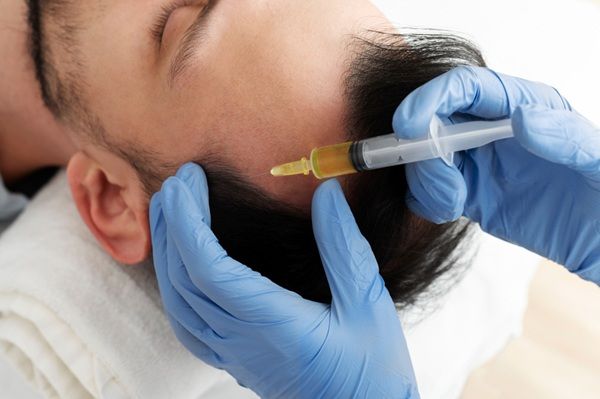
- Preparation for injection: The concentrated platelet-rich plasma is prepared for injection into the target area. Depending on the treatment area and condition being treated, the PRP may be injected into the scalp (for hair loss), the skin (for facial rejuvenation), or joints and muscles (for musculoskeletal injuries).
- Injection: The PRP is injected into the area needing treatment. The growth factors and platelets in the PRP stimulate the body’s natural healing response. In cases of hair restoration, for instance, PRP encourages hair follicles to enter the growth phase, thus promoting hair growth.
Applications
PRP therapy has a wide range of applications across different medical and cosmetic fields. Here are some of the primary uses of PRP treatment:
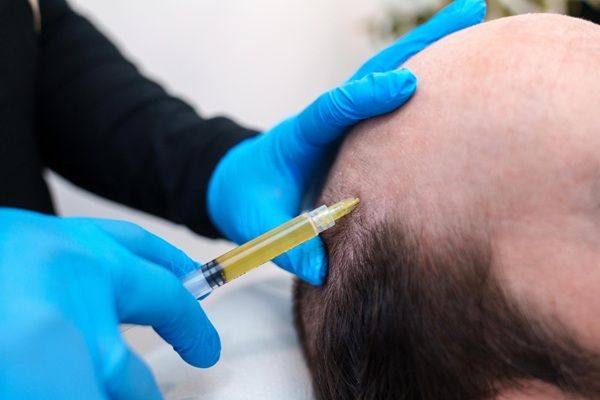
- Hair restoration: PRP therapy is commonly used to treat androgenic alopecia (male and female pattern baldness), a condition that leads to thinning or hair loss. The growth factors in PRP stimulate hair follicles, promoting hair growth and improving hair density. It is often used in conjunction with other hair loss treatments to enhance results.
- Facial rejuvenation: PRP is increasingly popular in aesthetic medicine for non-surgical skin rejuvenation. It is used in treatments such as the “vampire facial,” which involves microneedling followed by the application of PRP to encourage collagen production, reduce fine lines, and improve skin texture and tone. PRP has also been used to treat acne scars, stretch marks, and other signs of aging.
- Joint and musculoskeletal injury treatment: In orthopedics, PRP therapy is used to treat conditions such as osteoarthritis, tendon injuries, ligament sprains, and muscle strains. PRP is injected directly into the injured area to accelerate tissue repair and reduce inflammation. It has shown promising results in improving joint function and alleviating pain.
- Post-surgical healing: PRP has been used in post-surgical recovery to speed up healing and reduce the risk of complications. It helps promote faster tissue regeneration, reduces inflammation, and improves the overall healing process following surgery.
- Dental treatments: In dentistry, PRP is used to speed up healing after dental procedures, such as implants, tooth extractions, and gum surgery. It helps to regenerate bone tissue and supports faster recovery in the oral cavity.
- Scalp and skin treatments: PRP can be applied to treat scarring and acne, as it encourages the regeneration of skin cells and reduces inflammation. In the scalp, PRP injections can help to rejuvenate dormant hair follicles and encourage hair regrowth.
Benefits
- Natural healing: Since PRP is derived from your own blood, there is a very low risk of allergic reactions or complications. Your body recognizes the injected plasma as its own, making it a safe and natural treatment option.
- Minimally invasive: PRP therapy is non-surgical and involves only a small needle for injections. As a result, patients experience minimal discomfort and a relatively short recovery time compared to more invasive procedures like hair transplants or surgical facelifts.
- Reduced risk of complications: Because PRP is sourced from your own body, the risk of complications like infections, rejection, or adverse reactions is extremely low. The process is highly localized, reducing systemic side effects.
- Minimal downtime: The recovery period after PRP treatment is typically very short. Most patients can resume their normal activities immediately after treatment, with no need for an extended recovery period. Mild swelling, redness, or bruising may occur, but these symptoms usually resolve within a few days.
- Long-lasting results: Many patients see lasting improvements after PRP treatment, particularly in the case of hair restoration, where results can continue to improve over several months. When used for skin rejuvenation, patients often enjoy smoother, firmer skin for several months after treatment.
The PRP procedure: What to expect
The PRP procedure is relatively straightforward and quick, but the process can vary depending on the area being treated and the specific clinic performing the treatment. Here’s what you can expect during a typical PRP session:
- Consultation: Before undergoing PRP treatment, you will have a consultation with your healthcare provider to discuss your goals and medical history. The provider will evaluate your suitability for PRP and explain the procedure in detail. It’s important to disclose any medical conditions or medications you’re taking to ensure PRP is appropriate for you.
- Blood collection: A healthcare professional will draw a small amount of blood, usually from your arm. This process typically takes about 10 minutes.
- Processing the blood: The blood is placed into a centrifuge, where it will spin to separate the different components. This typically takes 10-15 minutes.
- Injection: Once the platelet-rich plasma is prepared, your provider will inject it into the target area. If you are receiving PRP for hair restoration, injections will be placed in the scalp. If you are undergoing facial rejuvenation, the PRP will be applied to your skin after microneedling. The injection process can take anywhere from 20 to 60 minutes depending on the treatment area.
- Post-treatment care: After the procedure, you may experience some mild discomfort, swelling, or redness in the treated area. Your healthcare provider will give you specific aftercare instructions, which may include avoiding certain activities like strenuous exercise or exposure to direct sunlight for a few days.

Cost
The cost of PRP treatment can vary significantly depending on several factors, including the clinic, location, the size of the area being treated, and the type of treatment. On average, PRP therapy for hair restoration typically costs between $1,500 and $4,000 per session, with multiple sessions often required for optimal results.
For facial rejuvenation (such as a vampire facial), the cost typically ranges between $600 and $1,500 per session. Orthopedic PRP treatments for joint or tendon injuries may cost between $500 and $2,000 per injection.
It’s important to keep in mind that PRP therapy is generally considered an elective cosmetic or medical treatment, meaning it is not usually covered by insurance. Many clinics offer financing options to make the treatment more accessible.
Conclusion
Platelet-rich plasma (PRP) therapy is a groundbreaking treatment that leverages the body’s natural healing processes to treat a variety of conditions, from hair loss to skin rejuvenation and musculoskeletal injuries. With its minimal invasiveness, natural results, and relatively low risk of complications, PRP therapy offers an appealing alternative to traditional treatments.
While the cost of PRP treatment can vary, many patients find the results to be well worth the investment. Whether you’re looking to restore hair, improve the appearance of your skin, or accelerate healing after an injury, PRP therapy offers a safe, effective solution with the potential for long-lasting benefits.