
Hair loss is a common issue that affects millions of people worldwide. Whether caused by genetics, hormonal imbalances, or lifestyle factors, hair loss can significantly impact self-esteem and confidence. Fortunately, medical advancements in hair restoration have made it possible to regain lost hair. One of the most effective and widely performed techniques is the Follicular Unit Transplantation (FUT) hair transplant.
This comprehensive guide will explore what FUT hair transplant is, how the procedure works, its benefits, potential risks, recovery time, and cost factors to help you make an informed decision.
What is it?
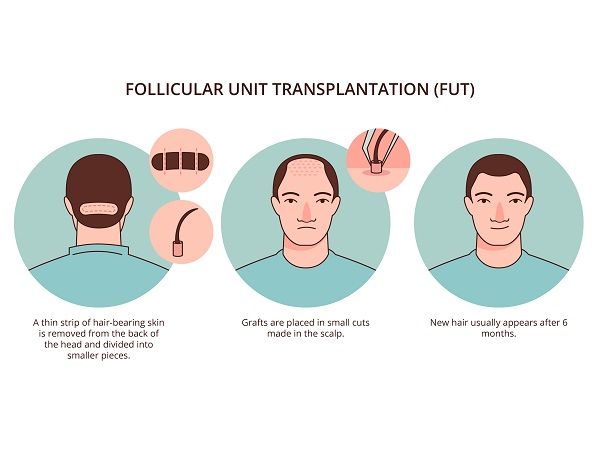
FUT (Follicular Unit Transplantation), also known as the strip method, is a surgical hair restoration procedure in which a strip of scalp containing healthy hair follicles is removed from the donor area (typically the back or sides of the head) and then dissected into individual follicular units. These units are then implanted into areas experiencing hair thinning or baldness.
FUT is widely regarded as an effective and long-lasting solution for hair loss, particularly for those with significant hair thinning or bald patches. Unlike the FUE (Follicular Unit Extraction) method, FUT allows for the transplantation of a large number of hair follicles in a single session.
How does the FUT hair transplant procedure Work?
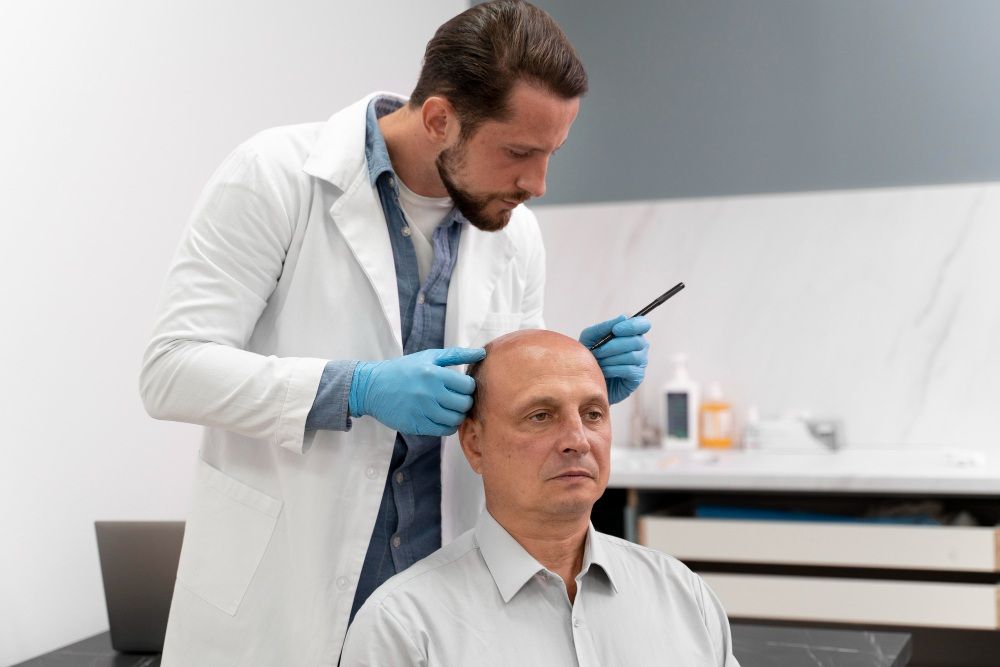
A FUT hair transplant is a meticulously performed surgical procedure that involves several key steps:
1. Initial consultation
- The process begins with a detailed consultation with a hair transplant specialist.
- The surgeon evaluates your scalp, determines the cause of hair loss, and discusses your goals and expectations.
- A personalized treatment plan is created, including the number of grafts required.
2. Preparation for surgery
- The patient is given local anesthesia to numb the scalp.
- The donor area (usually the back of the head) is prepared for the strip extraction.
3. Donor strip removal
- A thin strip of skin containing healthy hair follicles is surgically removed from the donor area.
- The incision is then carefully sutured using a technique that minimizes scarring.
4. Dissection of follicular units
- The strip is dissected under a high-powered microscope to separate individual follicular units (each containing 1-4 hairs).
- Skilled technicians ensure that the grafts are prepared without damaging the follicles.
5. Implantation of grafts
- The recipient area (bald or thinning section) is prepared with tiny incisions.
- Each follicular unit is meticulously implanted in a natural-looking pattern, following the patient’s hairline and density needs.
6. Post-procedure care
- The patient receives aftercare instructions to ensure proper healing.
- Mild swelling, redness, or discomfort may occur in the days following the procedure.
- Sutures in the donor area are usually removed after 10-14 days.
FUT vs. FUE: What’s the difference?
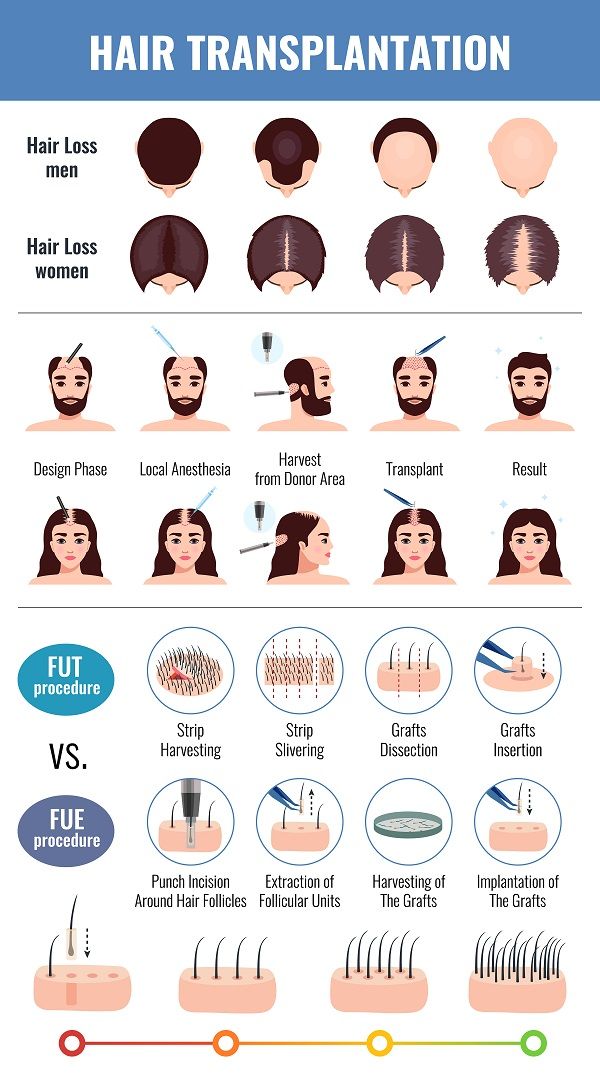
FUT and FUE (Follicular Unit Extraction) are the two primary techniques for hair transplantation. While both methods restore hair growth, they differ in extraction techniques, scarring, and recovery time.
| Feature | FUT Hair Transplant | FUE Hair Transplant |
|---|---|---|
| Extraction Method | Strip of scalp removed | Individual follicular units extracted |
| Scarring | Linear scar at donor site | Tiny dot-like scars |
| Healing Time | Longer recovery (10-14 days) | Faster recovery (5-7 days) |
| Graft Quality | High-quality grafts with more precision | Lower transection rate |
| Number of Grafts | More grafts in one session | Limited number per session |
| Suitability | Best for large bald areas | Ideal for smaller transplants |
Who is an ideal candidate?
FUT is suitable for individuals who:
- Have significant hair thinning or baldness.
- Prefer a high-density hair transplant.
- Are comfortable with a linear scar that can be concealed by longer hair.
- Have a healthy donor area with sufficient hair supply.
- Are looking for a cost-effective solution compared to FUE.
Benefits
1. High graft yield
FUT allows for the transplantation of a larger number of grafts in one session, making it ideal for those with extensive hair loss.
2. Natural-looking results
With precise follicular unit dissection and placement, the results look completely natural.
3. Cost-effective
FUT is generally more affordable than FUE since it allows for greater efficiency in harvesting grafts.
4. Long-lasting results
Once the transplanted hair starts growing, it remains permanent and resistant to hair loss.
Potential risks and side effects
Although FUT is a safe and effective procedure, some possible risks include:
- Scarring: A linear scar at the donor site, though it can be concealed with longer hair.
- Pain and Swelling: Mild discomfort, which can be managed with painkillers.
- Infection: Rare but possible if post-procedure care is not followed properly.
- Shock Loss: Temporary shedding of existing hair, which regrows over time.
Recovery and post-procedure care
The recovery timeline for FUT hair transplant includes:
- First 2 Weeks: Avoid strenuous activities and follow scalp care instructions.
- 1 Month: Transplanted hair may shed (a natural part of the process).
- 3-6 Months: New hair growth starts appearing.
- 12-18 Months: Full results with thicker, natural-looking hair.
How much does it cost?
The cost of FUT hair transplant varies based on factors like:
1. Number of grafts needed
- Small areas: $3,000 – $5,000
- Medium baldness: $5,000 – $8,000
- Extensive hair loss: $8,000 – $15,000
2. Geographic location
- Clinics in North America and Europe tend to charge higher fees.
- Countries like Turkey and India offer more affordable options.
3. Surgeon’s expertise
- Highly experienced specialists may charge a premium.
- Board-certified and reputable surgeons often deliver the best results.
4. Clinic reputation
High-end clinics with advanced technology may have higher prices.
Is FUT hair transplant worth It?
For those suffering from significant hair loss, FUT hair transplant is a life-changing procedure that provides long-lasting, natural results. While it involves a longer recovery period and a visible scar, the high graft survival rate and affordability make it an excellent option.
Final thoughts
If you’re considering a FUT hair transplant, consult a qualified and experienced hair restoration specialist to determine if it’s the right option for you. With proper care and expertise, you can achieve fuller, healthier hair and restore your confidence!