

Hair loss can be a significant concern for many people, impacting their self-esteem and confidence. Fortunately, robotic hair restoration has emerged as a revolutionary solution. This advanced technique utilizes cutting-edge technology to enhance hair transplant procedures, making them more precise and effective. By leveraging robotics, the process becomes less invasive and offers quicker recovery times. If you’re searching for a reliable solution to your hair loss, robotic hair restoration may be the answer.
Robotic hair restoration provides a unique approach compared to traditional hair transplant methods. With its ability to automate key steps in the process, it minimizes human error and maximizes results. Patients can expect natural-looking outcomes with minimal discomfort. As you explore the world of hair restoration, consider the benefits, procedure, and results associated with this innovative technology. For more information on traditional methods, check out this link.
Understanding robotic hair restoration

Robotic hair restoration combines advanced robotics and medical expertise to deliver superior hair transplant results. The procedure begins with a thorough consultation. During this phase, the surgeon evaluates the patient’s hair loss pattern and discusses their goals. This personalized approach ensures that each patient receives tailored treatment.
Next, the robotic system scans the scalp to identify optimal hair follicles for extraction. This precision is vital, as it enables the robot to select the healthiest follicles. The robotic arm then performs the extraction with incredible accuracy. This automation reduces the risk of damage to surrounding tissues, ensuring a smoother recovery.
After extraction, the surgeon prepares the donor follicles for implantation. This step is crucial, as it determines the success of the transplant. The robot assists in placing the follicles in the recipient area, ensuring they are positioned at the correct angle and density. This meticulous placement contributes to the natural appearance of the results.
Patients often wonder about the recovery process after robotic hair restoration. Typically, recovery is swift, with many individuals returning to daily activities within a few days. However, it’s essential to follow post-operative care instructions carefully. This guidance helps optimize healing and ensures the best possible results.
Benefits of robotic hair restoration

Robotic hair restoration offers numerous advantages over traditional methods. First and foremost, the precision of the robotic system significantly enhances the overall outcome. The technology allows for the extraction of hair follicles with minimal trauma to the scalp. As a result, patients experience less bleeding and discomfort during the procedure.
Another benefit is the automation of the follicle selection process. The robotic system analyzes the scalp and identifies the healthiest follicles for extraction. This targeted approach maximizes the survival rate of the transplanted hair. In contrast, traditional methods rely heavily on the surgeon’s skill and intuition, which can introduce variability in outcomes.
Robotic hair restoration also leads to faster recovery times. Patients often report less swelling and discomfort compared to conventional techniques. This rapid healing allows individuals to return to their normal routines more quickly. Many find that they can resume work and social activities within days rather than weeks.
Moreover, the results of robotic hair restoration are often more natural-looking. The precision of the robotic system ensures that hair follicles are implanted at the correct angle and density. This attention to detail contributes to a seamless blend with existing hair, making it nearly impossible to detect that a transplant has occurred.
Finally, robotic hair restoration tends to be less invasive than traditional methods. The smaller incisions and reduced tissue trauma lead to minimal scarring. Patients appreciate the aesthetic benefits of this approach, as they can enjoy their results without worrying about visible scars.
The procedure of robotic hair restoration
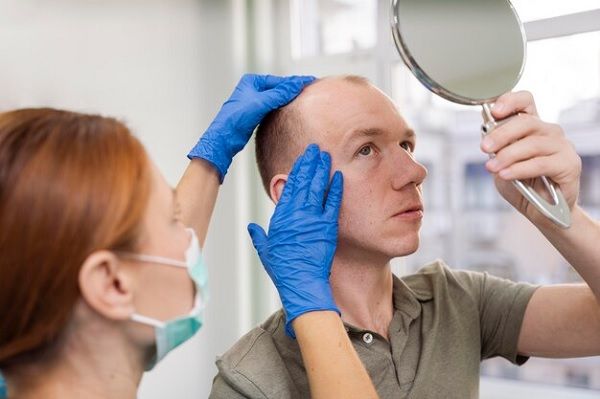
The robotic hair restoration procedure begins with a thorough consultation. During this meeting, the surgeon assesses the patient’s hair loss and discusses their expectations. This personalized approach is essential for tailoring the treatment to each individual’s needs.
Once the patient is deemed a suitable candidate, the procedure can be scheduled. On the day of the surgery, the patient arrives at the clinic and is prepared for the procedure. Local anesthesia is administered to ensure comfort throughout the process. Patients remain awake but relaxed during the treatment.
The robotic system then takes center stage. It scans the scalp to identify the best hair follicles for extraction. This process is quick and non-invasive, allowing for efficient harvesting of donor hair. The robotic arm expertly extracts the selected follicles, minimizing damage to surrounding tissues.
After the follicles are harvested, they are meticulously prepared for implantation. The surgeon and robotic system collaborate to ensure that each follicle is positioned correctly in the recipient area. This step is vital for achieving natural-looking results, as the angle and density of the implanted hair play a significant role in the final appearance.
Recovery after robotic hair restoration is typically swift. Most patients experience minimal discomfort and can return to their daily activities within a few days. Following post-operative care instructions is crucial for optimizing healing and ensuring the best results.
Expected results from robotic hair restoration

When considering robotic hair restoration, potential patients often wonder about the results they can expect. The outcomes of this advanced procedure tend to be impressive, offering individuals a renewed sense of confidence. Initially, there may be some shedding of the newly transplanted hair. However, this is a normal part of the process.
Over the next few months, patients typically begin to see new hair growth. The timeline for visible results can vary, but most individuals notice significant improvement within six to twelve months. The transplanted hair will continue to grow naturally, blending seamlessly with existing hair.
One of the remarkable aspects of robotic hair restoration is its ability to produce natural-looking results. The precision of the robotic system ensures that hair follicles are implanted at the correct angle and density. This attention to detail significantly reduces the chances of a “pluggy” appearance often associated with traditional hair transplants.
Additionally, patients can expect long-lasting results. The transplanted hair follicles are usually resistant to the effects of male or female pattern baldness. As a result, individuals can enjoy their restored hair for many years to come.
However, it’s essential to manage expectations. While robotic hair restoration can produce impressive results, individual outcomes may vary based on factors such as hair type, density, and overall health. Consulting with a qualified surgeon can help set realistic expectations and ensure the best possible results.
Aftercare following robotic hair restoration
After undergoing robotic hair restoration, patients should prioritize aftercare to promote optimal healing and results. Following the procedure, it’s common to experience some swelling and redness in the treated area. These symptoms usually subside within a few days, but proper care is essential to minimize discomfort.
Patients should avoid touching or scratching the scalp, as this can lead to irritation or infection. Instead, gentle cleansing is recommended. Surgeons typically provide specific instructions on how to wash the hair and care for the scalp in the days following the procedure.
It’s also crucial to avoid strenuous activities for at least a week post-surgery. Activities that raise the heart rate or involve heavy lifting can increase blood flow to the scalp and potentially affect healing. Patients should focus on relaxing and allowing their bodies to recover.
For those who wear hats or head coverings, it’s essential to wait until the doctor approves this practice. Wearing hats too soon after surgery can irritate the scalp and disrupt the healing process. Following the surgeon’s guidance will help ensure the best possible outcome.
Lastly, patients should schedule follow-up appointments with their surgeon. These visits allow for monitoring of the healing process and early detection of any potential complications. Open communication with the healthcare provider can help address any questions or concerns during the recovery phase.
Questions frequently asked
As you explore the world of robotic hair restoration, you may have several questions. Addressing these inquiries can provide valuable insights into the procedure and its benefits. Here, we’ve compiled some of the most frequently searched questions to help you understand this innovative hair restoration technique better.
What is robotic hair restoration?
Robotic hair restoration is a modern technique that utilizes advanced robotic technology to assist in hair transplant procedures. This method enhances precision and reduces the risk of human error. During the process, the robot scans the scalp to identify optimal hair follicles for extraction. Once selected, the robotic arm carefully extracts the follicles and assists in their implantation. This approach leads to more natural-looking results and faster recovery times compared to traditional hair transplant methods.
How does the procedure work?
The robotic hair restoration procedure begins with a consultation to evaluate the patient’s hair loss and goals. Once deemed suitable for the procedure, the patient receives local anesthesia on the day of surgery. The robotic system scans the scalp to identify the best follicles for extraction. The robot then extracts these follicles, which are prepared for implantation. The surgeon collaborates with the robot to implant the follicles in the recipient area, ensuring they are positioned correctly for natural results.
What are the benefits of robotic hair restoration?
Robotic hair restoration offers several advantages. First, the technique provides enhanced precision, leading to improved overall outcomes. The automation of follicle selection minimizes the risk of damage to surrounding tissues. Additionally, patients experience faster recovery times and less discomfort compared to traditional methods. The results are often more natural-looking, as the robot ensures proper angle and density during implantation. Finally, the procedure is less invasive, resulting in minimal scarring.
What can I expect during recovery?
Recovery after robotic hair restoration is typically swift. Patients may experience some swelling and redness, but these symptoms usually resolve within a few days. It’s crucial to follow post-operative care instructions, such as gentle cleansing and avoiding strenuous activities. Most individuals can return to normal activities within a week. However, it’s essential to manage expectations, as visible results may take several months to become apparent. Regular follow-up appointments with the surgeon can help monitor the healing process.
Are there any risks associated with the procedure?
While robotic hair restoration is generally safe, like any medical procedure, it carries some risks. Potential complications may include infection, scarring, and uneven hair growth. However, these risks are typically low, especially when the procedure is performed by a qualified surgeon. Open communication with the healthcare provider can help address any concerns and ensure a successful outcome. Additionally, following post-operative care instructions can significantly reduce the risk of complications.