
A large percentage of the population experiences hair loss in their lifetime. Although there are a lot of hair products and options available, a permanent solution has eluded the public for a long time. Although complete baldness is not as common as hair thinning or recession, the concept of hair loss has troubled a lot of people, considering how much effect it could have on career positions and even life partner choices.
Most people lose hair in their hairline or specific areas of their scalp. People who lose their hair owing to non-natural causes, such as accidents, are also unavoidable to mention. There are a variety of reasons why people lose their hair. Age, inherited baldness, cancer, childbirth, illness, hair damage, strenuous hairstyles, scalp infections, and sexually transmitted diseases. Alopecia areata is a key contributor. Alopecia areata is a condition in which the immune system destroys hair follicles, resulting in hair loss. A practical solution to all hair loss problems that have come to the limelight in recent years is the process of hair transplant.
Hair transplantation is a surgical procedure in which hair follicles are removed from one body and transplanted to another. The donor site is the body area from which it is removed, whereas the recipient side is the balding part of the body in which the hair follicles are placed. Hair follicles in the skin are extracted from sections of the skin that are resistant to baldness and transplanted to the damaged areas in this process. Hair transplantation has proven to be a feasible solution to the problem of hair loss, with a 99% success rate.
These hair follicles have been grafted (this involves surgically removing a living tissue from one part of the body). Hair transplantation differs from grafting in that the tissue collected is simply a strip of skin instead of skin grafting where both the dermis and epidermis are affected. By doing this, the operation aims at mimicking the natural hair orientation of the patient.
The main benefits are the high success rate and certainty of hair growth in previously bald or thinning areas. This procedure also provides long-term results because you will not lose your transplanted hair once performed. Another significant advantage of this approach over others is that the result flawlessly blended into the patient’s hair structure.
Furthermore, contrary to popular belief, the transplanted hair will not require any further maintenance than naturally produced hair. After the surgical procedure and healing period, the affected area can receive the same treatment as the rest of the body. Although such results are undeniably desirable, there are a few factors to consider before undergoing a hair transplant procedure. The first thing to consider is the cost.
Celebrities with hair transplant
Wayne Rooney

By All-Pro Reels from District of Columbia, USA – Wayne Rooney, CC BY-SA 2.0, https://commons.wikimedia.org/w/index.php?curid=147705968
Arguably one of the most high-profile cases in the UK, former footballer Wayne Rooney has been open about undergoing hair transplant surgery. In 2011, Rooney revealed that he had undergone a hair transplant to address his receding hairline. Rooney later tweeted about the procedure, saying that he was “delighted” with the results. His transparency helped normalize the procedure for many men in the public eye.
David Beckham
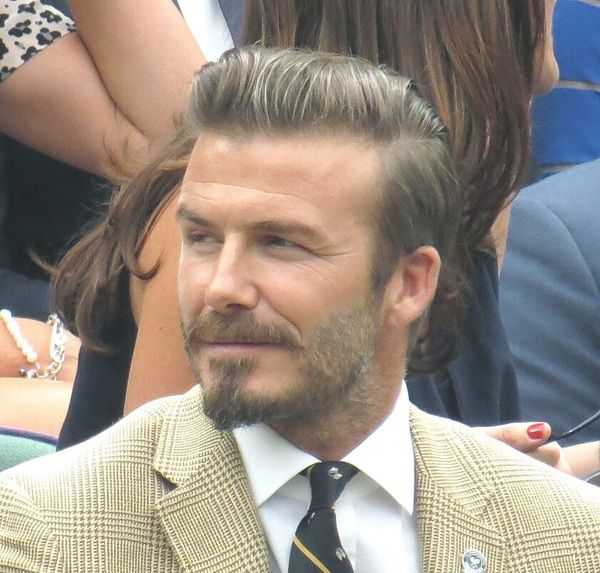
By Brian MInkoff-London Pixels – Own work, CC BY-SA 3.0, https://commons.wikimedia.org/w/index.php?curid=33884766
Although David Beckham has never publicly confirmed having a hair transplant, there has been widespread speculation about the football legend’s hair. Beckham has been seen sporting different hair lengths and styles, and over the years, his hairline has appeared significantly fuller. Some believe that he may have undergone a hair restoration procedure, especially after he was spotted with a noticeably more robust hairline.
John Bishop

By Mike Peel; Jodrell Bank Centre for Astrophysics, University of Manchester., CC BY-SA 4.0, https://commons.wikimedia.org/w/index.php?curid=19746839
Comedian and TV presenter John Bishop has also been open about having a hair transplant. In a candid interview, Bishop revealed that he underwent the procedure to address his receding hairline, which had been bothering him for years. He spoke about the positive impact the transplant had on his self-esteem and how it changed his appearance.
Gary Lineker

By Gary Lineker, Photo by David Woolfall Creative Commons Attribution 3.0 Gary Lineker Photo credit: Fred Duval/Shutterstock.com, CC BY 3.0, https://commons.wikimedia.org/w/index.php?curid=129509045
Former footballer and TV presenter Gary Lineker is another UK celebrity who has been rumored to have had a hair transplant. Although Lineker has never publicly confirmed the procedure, his hairline has appeared noticeably fuller in recent years. Many believe that Lineker may have undergone a hair transplant to combat hair thinning as he aged.
Peter Andre

By Richard Pigott, CC BY-SA 2.0, https://commons.wikimedia.org/w/index.php?curid=15547204
Singer and television personality Peter Andre has been open about his experiences with hair restoration. Andre has spoken publicly about his decision to undergo a hair transplant to address his receding hairline, which had started to bother him during his younger years. His decision to openly talk about the process helped demystify hair restoration procedures for many of his fans.
Elton John
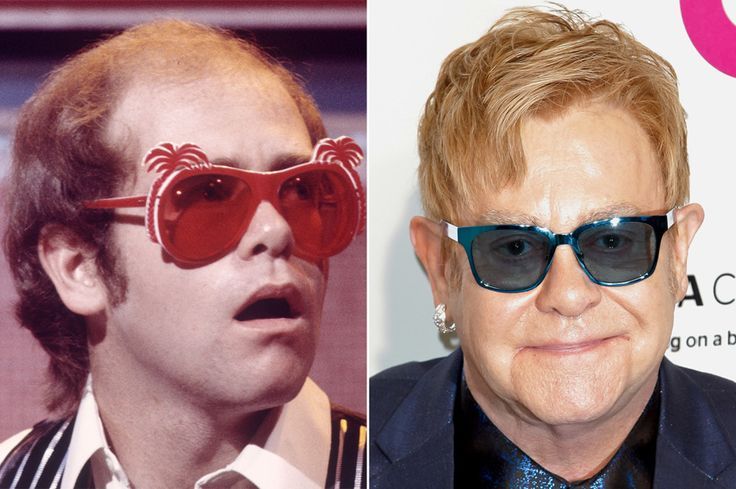
Music legend Elton John is believed to have undergone multiple hair transplant surgeries over the years. In the past, Elton’s hairline was much thinner, and his transformation has been noticeable, leading many to believe that he may have sought the help of a hair restoration specialist.
Conclusion
Conclusively, it is vital to remember that the patient primarily determines a hair transplant’s outcome. The quality of hair that grows from the operation region, for example, would almost definitely be the same as that from the other unaffected locations. The conscious effort would be required during this recovery period to avoid impeding the healing process. This could include refraining from pulling or tugging at your hair, refraining from itching (which would be very tempting), and, most importantly, refraining from scratching the affected areas. Direct sunlight and unusual sleeping positions would also be things to avoid. It is also worth noting that hair transplant surgeries are quite expensive and should only be undertaken by individuals who can afford them. Alternatives abound, but none are as long-lasting or as specific as a hair transplant procedure.