
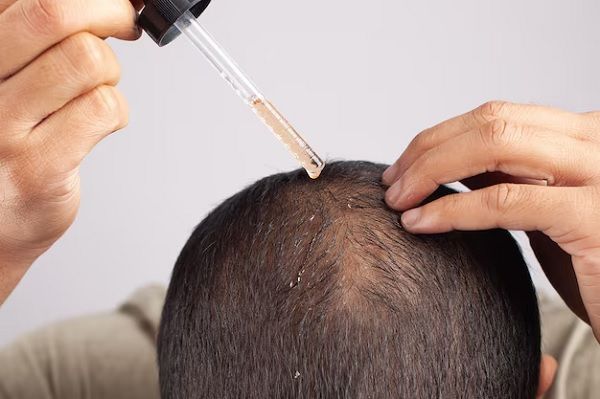
Hair loss affects millions of people worldwide, impacting both men and women. Many turn to various treatments, including medications like finasteride for hair loss. This medication has gained popularity due to its effectiveness in slowing hair loss and promoting regrowth. Understanding how finasteride works, its benefits, and potential side effects can help individuals make informed decisions about their hair restoration journey. For more information on alternative treatments, check out this link on Minoxidil.
Finasteride for hair loss primarily functions by inhibiting the conversion of testosterone into dihydrotestosterone (DHT). DHT is a key factor in androgenetic alopecia, commonly known as male or female pattern baldness. By reducing DHT levels, finasteride helps prevent hair follicles from shrinking, promoting healthier hair growth. However, like any medication, it’s essential to consider both the advantages and disadvantages before starting treatment. This article will delve deeply into the benefits and side effects of finasteride, equipping you with the knowledge needed to navigate the world of hair restoration effectively.
Understanding finasteride

Finasteride is a prescription medication that primarily treats androgenetic alopecia (male pattern baldness) and benign prostatic hyperplasia (BPH), a condition that leads to an enlarged prostate. The drug works by inhibiting the enzyme 5-alpha reductase, which is responsible for converting testosterone into dihydrotestosterone (DHT). DHT is a potent androgen that contributes to hair follicle miniaturization in individuals genetically predisposed to hair loss. By reducing DHT levels in the scalp, finasteride can help slow down hair loss, preserve existing hair, and, in some cases, promote new hair growth.
For those using finasteride to combat hair loss, consistency is key. Most users need to take the medication daily for at least three to six months before noticeable improvements occur. Full results can take up to a year or more. Clinical studies have shown that finasteride effectively increases hair count and thickness in men experiencing male pattern baldness, particularly at the crown and mid-scalp regions. However, its effectiveness on the hairline is less predictable, and results vary between individuals.
While finasteride is generally well tolerated, some users may experience side effects, including decreased libido, erectile dysfunction, or changes in mood. These effects are typically rare and reversible upon discontinuation of the medication. Additionally, finasteride is not recommended for use in women of childbearing age due to the potential risk of birth defects. However, in postmenopausal women, some healthcare providers may prescribe it off-label for female pattern hair loss.
Benefits of finasteride for hair loss
One of the primary benefits of finasteride for hair loss is its effectiveness in slowing down the progression of hair thinning and even reversing some of its effects. Research shows that many users experience a significant reduction in hair loss within the first few months of treatment. In fact, clinical studies indicate that approximately 80% of men who take finasteride see a halt in hair loss, while around 65% report noticeable regrowth after consistent use. This makes finasteride one of the most reliable pharmaceutical options for individuals struggling with male pattern baldness.
Another significant advantage of finasteride is its ease of use and convenience. Unlike topical treatments such as minoxidil, which require daily application to the scalp, finasteride comes in tablet form, making it simple to incorporate into a daily routine. Many users appreciate that they only need to take one small pill per day, which enhances treatment adherence and increases the likelihood of seeing positive results over time. Since the medication works systemically, it helps maintain hair density across the entire scalp without requiring localized application.
Additionally, finasteride is generally well-tolerated by most users. The majority of individuals taking the medication report minimal to no side effects. However, as with any medication, there is a possibility of adverse effects, including decreased libido, erectile dysfunction, or mild changes in mood. These side effects are relatively rare and, in many cases, reversible upon discontinuation of the drug. Healthcare providers can offer guidance on managing potential concerns and determining whether finasteride is a suitable option based on an individual’s medical history and risk factors.
Side effects of finasteride
While finasteride for hair loss offers several benefits, it’s crucial to be aware of potential side effects. Some users may experience sexual side effects, including decreased libido, erectile dysfunction, and ejaculation disorders. Although these effects are relatively rare, they can be concerning for those considering treatment.
Additionally, some individuals may experience mood changes, such as depression or anxiety. While these side effects are not common, they can impact overall quality of life. It’s essential to discuss any concerns with your healthcare provider before starting finasteride, as they can help you weigh the risks and benefits.
Another potential side effect involves breast tenderness or enlargement. Although this is uncommon, it’s vital to monitor any changes in your body while on finasteride. If you notice unusual symptoms, consult your doctor promptly. They can provide guidance and support throughout your treatment journey.
How finasteride works

Finasteride for hair loss works by targeting the hormonal changes that cause hair thinning. Specifically, it inhibits the enzyme 5-alpha-reductase, responsible for converting testosterone into DHT. By reducing DHT levels, finasteride helps prevent hair follicles from shrinking, allowing for healthier hair growth.
When starting treatment, it’s essential to understand that results take time. Many users notice a decrease in hair loss within three to six months, while significant regrowth may take up to a year. Consistency is vital in achieving the best results, so it’s crucial to take the medication as prescribed.
Additionally, not everyone will respond to finasteride in the same way. While many users experience positive results, some may not see significant improvements. If you find that finasteride isn’t effective for you, discuss alternative treatments with your healthcare provider. They can help you explore other options, such as minoxidil, hair transplant surgery, or lifestyle changes that may support hair health.
Frequently asked questions
In this section, we will address some of the most common questions regarding finasteride for hair loss. Understanding these frequently asked questions can clarify this treatment option and help you decide whether it’s suitable for you.
What is finasteride, and how does it work for hair loss?
Finasteride is a prescription medication used primarily to treat hair loss and benign prostatic hyperplasia. It works by inhibiting the 5-alpha-reductase enzyme, responsible for converting testosterone into dihydrotestosterone (DHT). DHT contributes to hair loss in individuals genetically predisposed to androgenetic alopecia. By lowering DHT levels, finasteride helps prevent hair follicles from shrinking, ultimately promoting healthier hair growth.
Many users notice a decrease in hair loss within the first few months of treatment, with significant results typically appearing after six months to a year. It’s important to be patient and consistent with the treatment for optimal results. Regular follow-ups with your healthcare provider can help track your progress and address any concerns that arise during treatment.
Are there any side effects associated with finasteride?
Yes, while finasteride for hair loss can be effective, it is not without potential side effects. Some users may experience sexual side effects, including decreased libido, erectile dysfunction, and ejaculation disorders. Although these side effects are relatively rare, they can be concerning for some individuals.
In addition to sexual side effects, some users report mood changes, such as depression or anxiety. Monitoring your mental health while on finasteride is essential, especially if you have a history of mood disorders. If you notice any unusual symptoms or side effects, consult your healthcare provider as soon as possible. They can help you navigate any issues and determine whether continuing treatment is the right choice.
How long does it take to see results from finasteride?
Results from finasteride for hair loss can vary between individuals. Many users notice a decrease in hair loss within three to six months of starting treatment. However, significant regrowth may take up to a year to become noticeable. It’s crucial to remain patient and consistent with the medication to achieve the best results.
Regular follow-ups with your healthcare provider can help monitor your progress and ensure that the treatment is working effectively for you. If you feel that finasteride isn’t providing the desired results after a reasonable period, discuss alternative options with your provider.
Can women use finasteride for hair loss?
Finasteride is primarily prescribed for men experiencing hair loss. In women, its use is less common due to potential side effects, especially concerning pregnancy. The medication can cause birth defects if taken by pregnant women or those who may become pregnant. Women experiencing hair loss often explore other treatment options, such as minoxidil, which has been shown to be effective and is considered safer for female use.
If you’re a woman experiencing hair loss, it’s important to consult with a healthcare professional. They can provide personalized recommendations and discuss other treatment options that may be suitable for your specific situation.
Is finasteride a permanent solution for hair loss?
Finasteride for hair loss is not considered a permanent solution. While many users experience positive results and significant hair regrowth, the effects of the medication can diminish once treatment stops. If you discontinue finasteride, DHT levels can rise again, potentially leading to renewed hair loss within months.
For long-term management, many individuals choose to continue taking finasteride as part of their hair restoration regimen. It’s essential to consult with a healthcare provider to determine the best course of action for your specific needs and situation. They can help create a comprehensive treatment plan that may include finasteride and other options for maintaining hair health.