

Hair loss is a common condition that affects millions of people worldwide. There are numerous factors that can contribute to hair loss, including genetics, age, hormonal changes, medications, and certain medical conditions. One specific condition that can lead to hair loss is folliculitis decalvans, a chronic inflammatory disorder that affects the hair follicles on the scalp.
This condition is characterized by the development of pustules and abscesses on the scalp, which can lead to scarring and permanent hair loss in some cases. Folliculitis decalvans can be difficult to diagnose and treat, and it can have a significant impact on a person’s self-esteem and quality of life. In this article, we will explore the causes, symptoms, diagnosis, and treatment options for folliculitis decalvans, with a focus on how this condition can contribute to hair loss. If you want to learn more about hair loss conditions, you can explore this link.
What are the symptoms of folliculitis decalvans?
Folliculitis decalvans (FD) is a chronic inflammatory scalp condition that affects the hair follicles. The condition is characterized by inflammation in the hair follicles, leading to various symptoms such as itching, inflammation, tenderness, a tight feeling scalp, and in rare cases, no symptoms at all.
Unlike genetic hair loss, FD includes inflammatory symptoms that affect the scalp and surrounding areas. Over time, patients may notice redness, swelling, pustules (blister-like pimples that contain pus), scars, tufting of hairs, scaling, crusting, sores, and hair loss in irregular patches. These symptoms may cause discomfort and affect the appearance of the scalp, which can lead to social and psychological distress.
While the condition is most noticeable on the scalp due to the amount of hair in the area, it can also occur in other areas such as the beard, armpits, pubic areas, and legs. Hair loss in these areas can also occur, causing hair to fall out in irregular patches.
FD is a chronic condition that requires medical attention. Early diagnosis and treatment can help manage the symptoms and prevent further hair loss. If you suspect that you may have FD, it’s important to see a dermatologist who can diagnose the condition and provide appropriate treatment. Treatment options may include antibiotics, anti-inflammatory medication, and topical treatments.
What causes folliculitis decalvans?
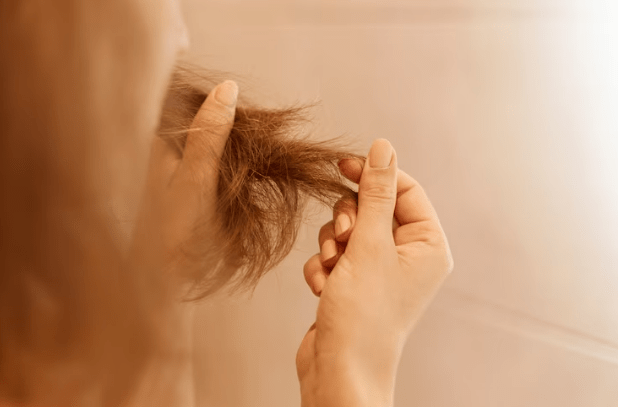
Folliculitis decalvans (FD) is a chronic inflammatory disorder that results in hair loss by causing scarring hair loss or cicatricial alopecia. FD is a form of folliculitis, which refers to the inflammation of hair follicles. While FD shares characteristics of both alopecia and folliculitis, they don’t necessarily manifest simultaneously. The exact cause of FD is not yet known.
FD is different from regular folliculitis as it obstructs hair growth. As FD progresses, hair follicles are damaged and incapable of generating new hair. The symptoms of FD typically include pustules, crusting, and sores. Scar tissue forms in the affected areas due to dead hair follicles, hindering any further hair growth.
FD can affect anyone, regardless of their general health. While middle-aged men are at a higher risk of developing FD, it can also affect both men and women as early as adolescence. Although the condition is infrequent in children, it is not contagious. Despite the absence of any other known risk factors, the precise cause of FD remains unknown.
How is folliculitis decalvans diagnosed?
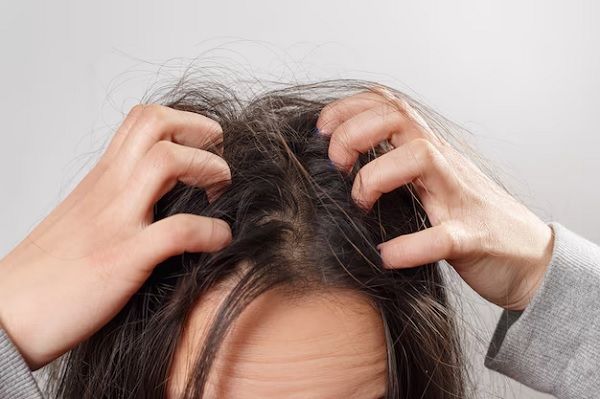
If you suspect you have FD, it is important to see a dermatologist, a medical specialist who is trained to diagnose and treat skin and hair diseases.
To diagnose FD, a dermatologist will conduct a thorough examination of your scalp, skin, and hair. They will look for areas of hair thinning, pustules, and scarring. They may also take a culture and/or biopsy to aid in the diagnosis.
In addition to FD, other conditions can cause hair loss. Therefore, a dermatologist will also rule out other possible causes, such as hormonal imbalances related to pregnancy, menopause, or elevated androgen levels, recent illness or infection, an underactive thyroid (hypothyroidism), exposure to radiation, cancer treatments, certain medications, ringworm, chronic stress, trauma, malnutrition (especially iron and protein deficiencies), vitamin A overdose, weight loss, eating disorders, poor haircare, and tight hairstyles.
Once other causes have been ruled out, a biopsy and culture may be recommended to confirm the diagnosis of FD. A blood test may also be ordered to rule out any underlying medical conditions, such as thyroid disease.
Diagnosing FD can be a complex process that requires a combination of a medical history, physical examination, biopsy, blood test, and skin culture. It is important to work closely with your dermatologist to ensure an accurate diagnosis and appropriate treatment plan. Treatment options for FD may include antibiotics, anti-inflammatory medications, or topical agents. In some cases, surgery or hair transplantation may be necessary.
Treatment options for folliculitis decalvans

The most effective treatment approach may vary from person to person, and a combination of two or more approaches may be necessary to manage symptoms. Here are some of the more widely used treatments:
Oral Antibiotics: Oral antibiotics are among the most common treatments for FD. Several types of antibiotics have been used with mixed results. Another combination of doxycycline or azithromycin, even when paired with corticosteroid injections and topical antibiotics, led to a shorter remission period.
Steroid Injections: Corticosteroid injections in the scalp or affected area can help reduce inflammation. This treatment is typically part of a more comprehensive treatment plan that includes oral and/or topical antibiotics. Dermatologists may also prescribe oral corticosteroids to help fight inflammation and stop the spread of FD.
Topical Treatments: Medicated shampoos and topical antibiotics can be used to treat FD but may be most effective when paired with oral antibiotics. Non-antibiotic topicals such as tacrolimus and calcipotriol may also help.
Photodynamic Therapy: Photodynamic therapy is a process that uses special lights to fight skin infections. When other treatment options aren’t effective, photodynamic therapy may be an option, especially for those who have a poor response to antibiotics.
Surgery:While medications and noninvasive therapies are the first-line approach to treating FD, hair restoration options may be considered once the condition is under control. Experts recommend hair transplant surgery only after the disease has shown no progression for a few years after the patient has stopped medication and no inflammation is found on a biopsy.
Frequently asked questions
What are the primary causes of folliculitis decalvans?
Folliculitis decalvans can stem from multiple factors, though its exact cause is not fully understood. One significant factor may be an abnormal immune response against hair follicles, leading to inflammation. Bacterial infections, particularly those caused by Staphylococcus aureus, can also trigger or exacerbate the condition. Some research suggests that genetic predisposition plays a role, indicating that individuals with a family history of scalp disorders may be more vulnerable. Environmental factors, like irritants or allergens, may contribute to the development of folliculitis decalvans as well.
What are the common symptoms associated with folliculitis decalvans?
Symptoms of folliculitis decalvans can vary among individuals, but several common signs are often reported. The most prominent symptom is the appearance of small, painful bumps or pustules on the scalp, which may resemble acne. These bumps can lead to itching, burning, or tenderness in the affected areas. Over time, the inflammation can cause hair loss in patches, resulting in bald spots. As the condition progresses, scarring may occur, leading to permanent hair loss. In some cases, individuals may also experience a feeling of tightness or discomfort on the scalp.
How does folliculitis decalvans impact mental health?
The psychological impact of folliculitis decalvans should not be overlooked. Many individuals experience emotional distress due to visible hair loss and the associated stigma. Feelings of embarrassment, frustration, or low self-esteem can arise, significantly affecting one’s quality of life. Additionally, chronic conditions like folliculitis decalvans can lead to anxiety or depression as individuals grapple with their appearance and the uncertainty of treatment options. It’s essential for those affected to seek support from mental health professionals or support groups to address these challenges.
Can folliculitis decalvans lead to permanent hair loss?
Yes, folliculitis decalvans can lead to permanent hair loss if left untreated. Chronic inflammation can damage hair follicles over time, resulting in scarring and the inability of follicles to regenerate hair. Early intervention is crucial for minimizing the risk of permanent hair loss. If treatment is initiated promptly, it may help reduce inflammation and promote hair regrowth. Regular follow-ups with a healthcare professional are necessary to monitor the condition and adjust treatment plans accordingly.
What treatment options are available for folliculitis decalvans?
Treatment for folliculitis decalvans typically involves a combination of approaches aimed at reducing inflammation and preventing infections. Topical antibiotics and corticosteroids may be prescribed to manage symptoms and reduce inflammation. In more severe cases, oral antibiotics or immunosuppressive medications might be recommended. Some patients may benefit from laser therapy or other advanced treatments to promote healing and hair regrowth. Consulting with a dermatologist who specializes in hair loss conditions is essential for determining the most effective treatment plan tailored to individual needs.
Is folliculitis decalvans contagious?
No, folliculitis decalvans is not contagious. The condition is not caused by a virus or bacteria that can be transmitted from person to person. Instead, it is an inflammatory response, often linked to individual health conditions or genetic predisposition. However, it’s essential to maintain proper hygiene and take care of the scalp to reduce the risk of secondary infections. Understanding that folliculitis decalvans is a personal health issue can help alleviate concerns about spreading the condition to others.
How can individuals manage their symptoms at home?
While medical treatment is essential for managing folliculitis decalvans, there are steps individuals can take at home to alleviate symptoms. Keeping the scalp clean and avoiding harsh hair products is crucial. Gentle cleansing with mild shampoos can help minimize irritation. Additionally, applying warm compresses to affected areas may reduce discomfort and inflammation. Maintaining a healthy diet rich in vitamins and minerals can also support overall hair health. However, it’s vital to consult with a healthcare professional before making any significant lifestyle changes.