
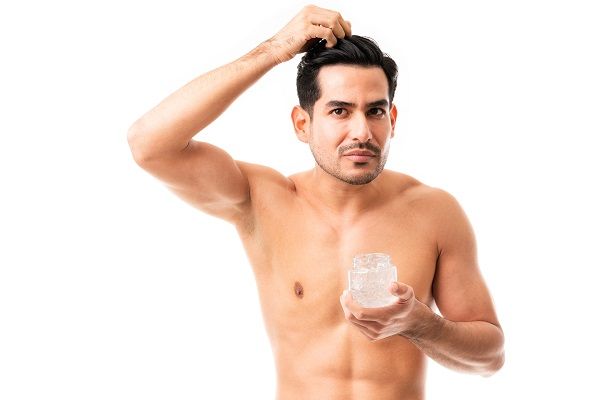
After undergoing a hair implant, many individuals wonder, “Can you use hair gel after a hair implant?” This question arises frequently, especially among those eager to style their newly implanted hair. Hair implants can significantly boost self-esteem and enhance one’s appearance, so it’s essential to understand how to care for your new hair properly. For those looking for effective hair restoration options, understanding post-implant care is crucial. You can learn more about hair implant effectiveness here.
Using hair products like gel can be tempting, but it is vital to approach this with caution. After an implant, the scalp is sensitive and requires gentle care. Styling products may contain chemicals that could irritate the scalp or interfere with the healing process. Thus, knowing when and how to introduce hair gel into your routine is essential for the best results from your hair transplant.
Type of hair gel
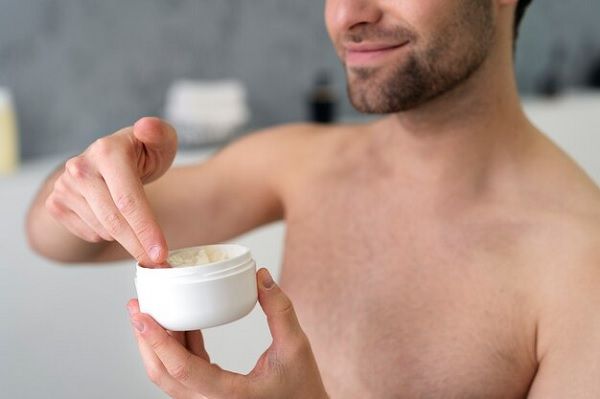
- Shaping and Sculpting: Shaping and sculpting gel is not the kind of gel that the majority of people will use daily, but if you want to give your hair a style that is uniquely yours and you need it to have a lot of grips, then you will have to reach for some of this product. If you are trying to design a specific hairdo, like side swoops and finger waves, and you want to make sure that you have enough grips, molding gels are a popular product that you may use.
- Curl Defining: If you possess naturally curled hair, you likely take pride in exhibiting your beautiful curls. On the other hand, it may be challenging to style them such that they do not appear frizzy and instead have a defined appearance.
- Firm Control: When you’ve taken the time to style your hair in a sleek updo, you don’t want any stray strands to ruin your look by falling out. Suppose you want your gel to exert strong control over your hair. In that case, you should select an item that will not just keep your hair under control and where it should be but will also assist your hair in remaining resistant to the effects of any humidity that may be present.
The potentially adverse effects of hair gels

These gels are helpful for hairstyling because they make hairstyles last longer, improve their texture, give tresses a nice sleek look, make a face and hair look presentable and maintained, and elevate an individual’s entire persona. Gels are available in a variety of scents and colors.
In addition, because of the presence of hazardous substances, some people believe that using hair gels can have a bad impact not only on the hair and scalp but also on the body as a whole. Using hair gel can have several unintended consequences, some of which are listed here.
Drying out and dehydrating
Alcohol and other corrosive compounds in hair gels are responsible for removing moisture from the scalp and hair, leaving them dry and parched. These gels wreak havoc on moisture levels and cause a reduction in sebum production, resulting in brittle, dry, and prone to breakage. They cause the hair to become frizzy, resulting in braids that are difficult to manage, dry, harsh, limp, and lackluster.
Loss of hair
These gels cause the scalp and hair to lose moisture, which makes the hair more brittle and more likely to fall out. The dead cell buildup and excess sebum on the scalp are reacted with by the chemical compounds included in these gels, as well as by the environmental contaminants prevalent outside. Because of this, the hair follicles become clogged, which ultimately leads to hair loss. Problems such as a receding hairline, baldness, and other forms of hair loss can be brought on by excessive and persistent hair loss.
Dandruff
Inflammation, itching, and flakiness are all symptoms of a scalp that is dehydrated, malnourished, and diseased, and all of these symptoms can contribute to dandruff. Dandruff, Seborrhoeic dermatitis, and scalp inflammation are all caused or worsened by improper sebum generation, poor skin health, and blocked pores and hair follicles, which can lead to other skin illnesses like acne.
Damage and a lack of uniform coloration
Using hair gels frequently results in adverse consequences on the hair, including breakage, split ends, weakening, and discoloration. These gels cause the hair to become unhealthy, sparse, and dull, ripping off the nutrients and moisture of the hair, breaking and stripping it, and disturbing the pH level of the hair. Using these gels for an extended period of time also leads to premature graying of the hair due to the presence of toxic substances in these products, which include fading and discoloration of color-treated hair.
Is it safe to use styling products like gels after having a hair transplant?
It is typically recommended that you avoid using styling products because they may include a lot of chemicals that are dangerous to your health. You might also discover that some solutions contain alcohol, which aggravates a delicate scalp condition. When considering which solutions are best following your hair transplant, experts recommend that you pay great attention to the components indicated on the container. Avoid anything that has a large number of ingredients or alcohol, as these could be irritating.
Frequently asked questions
Can I start using hair gel immediately after the hair transplant?
It is generally recommended to avoid using hair gel immediately after a hair transplant. The scalp will be sensitive and healing, so applying any products can lead to irritation or complications. Most surgeons recommend waiting at least two weeks before introducing any styling products. This allows the transplanted hair follicles to settle and the scalp to heal properly.
What types of hair products are safe to use after a hair implant?
After a hair implant, it’s best to use mild and gentle hair products. Look for sulfate-free shampoos and conditioners that are free from harsh chemicals. These products will help maintain the health of your scalp without causing irritation. Also, consider using natural oils, like argan or coconut oil, as they can nourish both your scalp and hair without harmful side effects. Always consult your surgeon for recommendations tailored to your specific situation.
How long should I wait to style my hair after the procedure?
The timeline for styling your hair after a hair transplant varies. Most professionals suggest waiting at least 14 days before using hair gel or any other styling products. This period allows your scalp to heal and reduces the risk of damaging the newly implanted follicles. After this initial healing phase, you can gradually reintroduce styling products, but always monitor how your scalp reacts to avoid complications.
Are there any specific ingredients I should avoid in hair products post-transplant?
Yes, certain ingredients can be harmful to your scalp and hair after a transplant. Avoid products containing alcohol, sulfates, parabens, and synthetic fragrances. These chemicals can irritate the scalp, leading to unwanted side effects like dryness or inflammation. Instead, opt for products with natural ingredients that promote healthy hair growth and scalp healing. Always read labels carefully and prioritize your scalp’s health during your recovery.
What if I experience itching or irritation after using hair gel?
If you experience itching or irritation after using hair gel, it is crucial to stop using the product immediately. Your scalp may still be sensitive, and the gel could be causing an adverse reaction. Consider using a soothing scalp treatment or aloe vera gel to alleviate discomfort. If the irritation persists, consult your doctor or hair transplant specialist for further advice on how to proceed and protect your scalp.
Can I use hair gel on the donor area after the transplant?
It is advisable to avoid applying hair gel to the donor area immediately after a hair transplant. This area may also be sensitive as it heals. Just like with the recipient area, wait at least 14 days before applying any products. Once the area has healed properly, you can start using hair gel but be sure to monitor for any signs of irritation or discomfort.
Will using hair gel affect the growth of my transplanted hair?
Using hair gel in moderation after the initial healing period should not negatively impact the growth of your transplanted hair. However, if you use gel with harsh chemicals or apply it too soon, it may cause irritation and affect the healing process. Stick to gentle products and adhere to the recommended time frames for product use to ensure the best outcome for your hair transplant.
What are the best practices for taking care of my hair after the transplant?
Post-hair transplant care is crucial for optimal results. Start by following your surgeon’s aftercare instructions diligently. Wash your hair gently with a mild shampoo and avoid excessive rubbing. Keep the scalp clean and moisturized, and avoid direct sunlight for the first few weeks. Regularly check the health of your scalp and hair, and consult your doctor if any issues arise. Engaging in these best practices will help ensure the longevity of your new hair.
By understanding the dos and don’ts of using hair gel after a hair implant, you can make informed decisions that promote healing and enhance the success of your transplant. Always prioritize your scalp’s health, and consult with professionals when in doubt.