
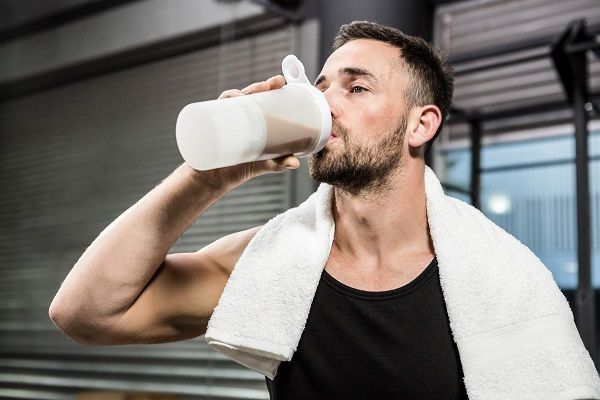
The relationship between diet and hair health has long been a topic of interest and concern. One question that frequently arises is, “Do protein shakes cause baldness?” This inquiry stems from the increasing popularity of protein supplements among fitness enthusiasts and the common misconception that high protein intake could negatively impact hair growth. However, understanding the facts behind this myth is essential for anyone considering incorporating protein shakes into their diet. For more insights about men’s hair health, you can explore fun facts about men’s hair.
While some may attribute hair loss to protein shakes, the reality is more nuanced. Hair loss is influenced by various factors, including genetics, hormonal changes, and nutritional deficiencies. Protein is a vital nutrient that supports hair structure and growth. This article will delve into the myths and facts surrounding protein shakes and their impact on hair health, helping to clarify any misconceptions and provide a well-rounded perspective.
Protein shakes advantages
Protein smoothies are popular among consumers for various reasons, some of which are listed below.
Muscle gain
A comprehensive study conducted in 2017 found that healthy persons who engage in a resistance exercise program and take protein supplements saw improvements in their muscle strength and growth.
Loss of weight
According to the findings of certain studies, eating a diet high in protein may help people shed extra pounds. According to a meta-analysis conducted in 2016, these diets may assist older persons in shedding fat while maintaining lean muscle. A study published in 2019 reveals that eating a diet higher in protein can minimize weight gain.
Lean muscle increase
A study conducted in 2018 discovered that taking protein supplements boosted the lean muscle people gained while they engaged in resistance training.
Prevent muscle loss
According to the American College of Sports Medicine, people require additional protein in their diet once they reach the age of 50. This contributes to the preservation of muscle mass. This requirement is the same as needing an additional gram of protein for every kilogram of body weight. According to the findings of a study conducted in 2016, it is recommended that individuals take 1.2 to 1.6 grams of protein per kilogram of body weight daily.
Do high protein shake cause hair loss?
The short answer is simple yes, consuming an excessive amount of protein can cause hair loss. Because protein makes up most of the hair follicles, you need to consume enough of it for the hair to develop healthily. Hair follicles are known to be among the first body systems to be shut down when food intake is inadequate.
There is a direct correlation between insufficient protein intake and hair thinning or loss. Having a high-protein diet has also been linked to hair thinning. When you are struggling with hair loss, finding the correct balance is key, and it is essential to figure out what is causing your hair loss and what the correct balance is for you.
If you consume a diet high in protein, you will not be consuming nearly as many carbohydrates as you would on a diet lower in protein. Your body gets its fuel from the carbohydrates you consume, so if you cut back on carbs, you can notice your hair getting thinner.
When you don’t get enough carbs, the type of food your body wants to use for energy, it will start using the fat and protein that it has stored up instead. This includes the hair follicles, and it might lead to you beginning to lose your hair.
It may be more difficult to obtain the amino acids necessary for healthy hair growth if your diet consists of a few carbohydrates and a significant amount of protein. If your diet does not contain the appropriate amino acids, you will begin to experience hair loss.
If you are following a diet low in calories with the goal of losing weight, your body may enter a state known as ketosis, in which it begins to burn ketones for energy rather than the calories it absorbs. Because of this, you may experience a decrease in biotin, which in turn may cause hair loss in certain individuals.
Any nutritional deficiency can lead to hair loss in certain people. Your body maintains a delicate balance, and disruptions like an excess of one nutrient or a deficiency in another can lead to various issues, including hair loss.
Suppose you have recently made significant alterations to your supplements and noticed that you are shedding your hair. In that case, discussing the adjustments you have made with your primary care physician is essential.
The relationship between consuming protein shakes and hair loss
It is essential to have a solid understanding that consuming an excessive amount of protein can lead to hair loss. Still, it is also possible to have hair loss if your diet does not contain a sufficient amount of protein.
If you make large alterations to your dietary routine, you may have hair loss, poor nourishment, and difficulty absorbing nutrients, all of which can cause health problems. When the body is deprived of calories and needs to make an effort to conserve energy, the hair follicles will become dormant in an attempt to save protein.
When you consume supplements that are excessively high in protein, you risk accumulating protein in your body, which can lead to substantial changes in how your hair develops. Examples of common symptoms of protein accumulation include:
- A type of hair that is prone to breakage.
- Hair might be brittle and even have the texture of straw.
- The hair is dull and lacks proper conditioning, making it appear dull and lifeless.
- Your hair may lose its lustrous sheen.
- It becomes more difficult to brush the hair, and you have more difficulty detangling it.
Even though eating a lot of protein is a very effective way to reduce weight, diets that are too rich in protein may harm the hair and the way it grows.
Frequently asked questions

Can protein shakes lead to hair loss?
The notion that protein shakes lead to hair loss is largely a myth. Hair loss is primarily influenced by genetic predisposition, hormonal imbalances, and overall nutritional health. While some protein supplements contain high levels of certain nutrients, they do not directly cause baldness. In fact, adequate protein intake is essential for maintaining healthy hair. If the body lacks protein, it may prioritize vital functions, potentially leading to hair shedding. It’s crucial to maintain a balanced diet alongside any supplements you may choose to consume.
What role does protein play in hair health?
Protein is a critical building block for hair, as it constitutes a significant portion of its structure. Hair is primarily made up of a protein called keratin. Ensuring that your diet includes sufficient protein can help promote hair growth and strength. A deficiency in protein can lead to hair weakening and increased shedding. Therefore, incorporating protein shakes into your diet, especially if you’re active, can support overall hair health rather than detract from it.
Are there specific types of protein shakes that are better for hair health?
Not all protein shakes are created equal. Some protein sources may be more beneficial for hair health than others. For instance, whey protein is a complete protein, containing all essential amino acids necessary for hair growth. Plant-based proteins, like pea or hemp protein, can also be effective. However, it’s essential to choose high-quality protein products that are low in additives and sugars. Additionally, ensuring a balanced intake of vitamins and minerals, such as iron and zinc, alongside protein can further support hair health.
Could excessive protein intake harm hair growth?
While protein is vital for hair health, excessive intake can lead to imbalances in other nutrients. A diet overly focused on protein might lack essential vitamins and minerals, which are also crucial for maintaining hair health. Moreover, high protein diets can lead to dehydration, which can negatively affect hair quality. Moderation is key. It’s best to consume protein in conjunction with a variety of other nutrients to ensure optimal hair and overall health.
Are there any side effects of consuming protein shakes?
Protein shakes are generally safe for most individuals when consumed in moderation. However, some people may experience digestive discomfort, such as bloating or gas, especially if they are lactose intolerant or sensitive to certain protein sources. Additionally, over-reliance on protein shakes instead of whole foods can lead to nutrient deficiencies. It’s essential to maintain a balanced diet and consult with a healthcare professional if you have concerns about protein intake or hair health.
How much protein do I need for optimal hair health?
The amount of protein required for optimal hair health varies depending on factors such as age, sex, and level of physical activity. Generally, adults should aim for about 0.8 grams of protein per kilogram of body weight. For those engaged in regular exercise, especially resistance training, this can increase to 1.2 to 2.0 grams per kilogram. Ensuring that your diet meets these requirements can help maintain healthy hair and prevent deficiencies that could lead to hair loss.
Can hair loss be reversed by changing my protein intake?
In some cases, hair loss caused by nutritional deficiencies can be reversed by improving dietary protein intake. If hair loss is due to inadequate protein levels, increasing your intake can promote regrowth. However, if hair loss is related to genetic factors or hormonal changes, dietary adjustments alone may not be sufficient. It’s important to consult with a healthcare professional to determine the underlying cause of hair loss and develop an appropriate treatment plan.
What other nutrients are important for hair health?
In addition to protein, several other nutrients play a crucial role in maintaining healthy hair. Vitamins such as biotin, vitamin D, and vitamin E are essential for hair growth. Minerals like zinc and iron also support hair structure and may prevent hair loss. A well-rounded diet that includes these nutrients, alongside adequate protein intake, is essential for promoting optimal hair health.