
For most people suffering from androgenetic alopecia, wearing wigs to cover their hair loss doesn’t cut it. So instead of wearing wigs, they’ll rather wear hats or go about their business with their bald and receding hair with little or no care. Some even do not show interest in hair restoration treatments, whether surgical or not, because of their demands or fear of complications. No matter what reason people may have for their resignation to fate for not correcting their hair loss, there’s a possibility that their inaction is probably a product of ignorance, lack of resources to obtain hair restoration treatments, or fear of complications that’ll further complicate their appearance that’s already altered by hair loss.
That’s why we’re here to show you that there is an aesthetic solution for baldness and hair thinning that’s very affordable, safe, and doesn’t demand so much time and resources from patients. This solution is tricopigmentation. Whether you’ve heard about it before or not, this article will discuss what tricopigmentation is. It’ll also show you the shaving effect it gives areas of the head suffering from androgenetic alopecia such that you won’t have any need to cover your hair either with a wig or hat. For those seeking options, methods like FUT hair transplant may also be worth exploring.
What’s tricopigmentation?
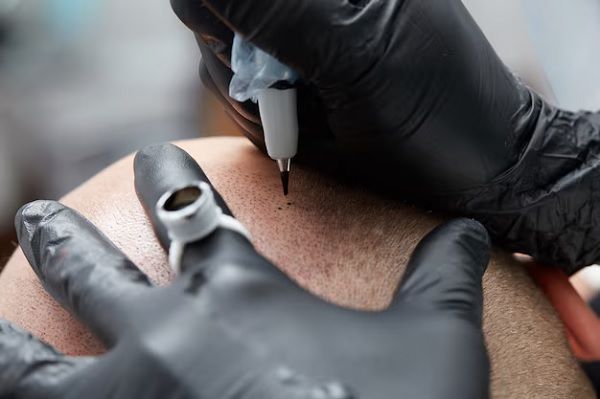
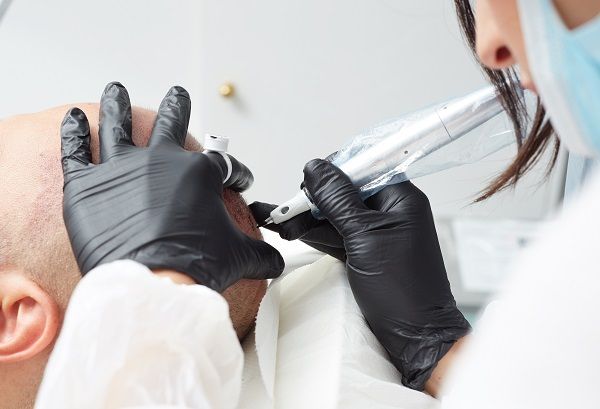
Tricopigmentation is a non-surgical cosmetic procedure for both men and women which involves the coverage of areas of the hair suffering thinning and baldness with an illusion of full hair around the same areas. It consists of creating semi-permanent coverage around these sparsely populated or hairless areas using micro-dots from organic pigments deposited on the skin’s surface layer. This procedure is painless, harmless to the skin, and has no side effects.
As great as tricopigmentation presents itself, it’s not a permanent solution. But that doesn’t make it bad because it offers a good alternative for people whose hair transplant has gone from good to bad, those who had a botched hair transplant, or those who don’t want capillary prosthesis or other cosmetic procedures due to their disadvantages. Tricopigmentation embodies an outstanding simulation of natural hair with full density to create visual coverage. Given the components of the organic pigments used, this procedure is biocompatible, hypoallergenic, and reversible, but with a shaving effect for bald and optical density for those that aren’t and aren’t suffering hair loss.
The features of the shaving effects of tricopigmentation
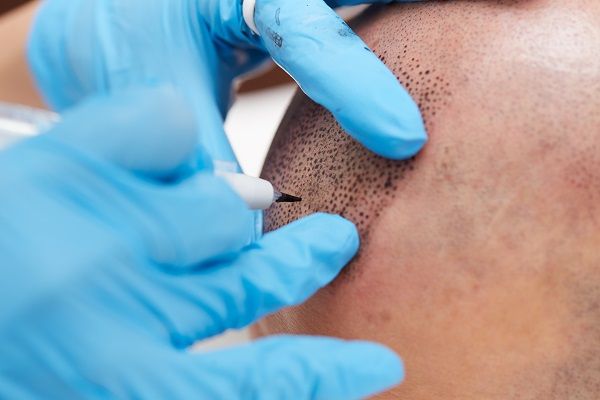
Essentially, the shaving effect of tricopigmentation is aimed at concealing hairless areas of the head. For a person who chooses tricopigmentation, what they get around those areas is an effect that’s similar to the appearance of someone who has shaved their hair low. You’ll notice that small hair with a pointed shape creeps out for that person. This appearance that tricopigmentation imitates when organic pigments are deposited in dots that look like those tiny hairs.
With this, instead of having a barren spot on the hair extending to other areas, you can have it covered with this shaving effect made possible by tricopigmentation. In addition to this, the shaving effect is also reconstructive in forming a new hairline pattern. So whether you want the pattern before thinning and baldness occurs, or you want an entirely new pattern, the shaving effect of tricopigmentation can offer it all. All of these are aimed at totally hiding hair loss without any trace or negative alteration to your appearance.
What are the precautions of getting tricopigmentation?
Before you get tricopigmentation, you must consider certain things. Some of these things include:
Consultation
It’s almost impossible to displace the significance of consultation to any form of treatment, whether it’s cosmetic or medical. It is essential for getting the best outcomes for the procedures performed. For tricopigmentation, the same thing applies. Pregnant women, people with grey or red hair, psoriasis, dermatitis, and folliculitis can’t have this procedure. And it can only be determined with a consultation.
Anti-inflammatory drugs
In addition to consulting the physician, you should also avoid anti-inflammatory drugs for about a week before the procedure is performed. Drugs like aspirin, minoxidil, topical products, and anticoagulants.
After the treatment
The following are some of the things you should also avoid after the procedure is completed:
- Avoid sources of heat for at least a week after. This could be a hot bath, hammam, sauna, and the direct effect of sunlight.
- Avoid scratching the area where the organic pigments are deposited until they are firmly installed into the skin.
- Don’t wash or disinfect the area until the third day after the procedure to avoid washing the whole pigments off.
- Avoid consumption of alcohol until the treated area is fully healed.
Why do people choose tricopigmentation despite being a temporary solution?
As you must have found out already, tricopigmentation is meant to be temporary. But people still choose it, and their reasons aren’t secrets. They choose tricopigmentation because of its affordability. Compared to other cosmetic procedures or hair restoration treatments, it’s relatively cheaper. It’s also fast as you won’t require more than 4 hours for the sessions and one-time maintenance a year after the sessions.
Additionally, it’s safe because the needles used for the injection are specially designed to stay on that skin’s surface and not beyond it while they drop an equal amount of the pigments around the bald areas. Another thing is that our morphology undergoes several changes, so the best way to handle this is to have a procedure that’s adaptive to all these changes. So that’s why tricopigmentation is the best option.
How shaving effect of tricopigmentation complement hair transplant
Hair transplant involves the transfer of hair from an area that’s populated, known as a donor site, to an area that it isn’t. Tricopigmentation complements hair transplant in a couple of ways. The first is covering the donor site where hair is removed. For example, if it’s the strip method, there’s a possibility for a post-operative scar. Tricopigmentation can cover this scar. Similarly, suppose the hair transplant didn’t bring the most desirable result based on the patient’s condition, or there’s a lack of density in the result. In that case, tricopigmentation can hide all these setbacks.
Frequently asked questions
How long does tricopigmentation last?
The longevity of tricopigmentation depends on various factors, including skin type, lifestyle, and aftercare. Typically, the results last between 1 to 3 years before requiring a touch-up. The pigments gradually fade, allowing for a natural transition. Regular maintenance can help keep the look fresh and vibrant. Choosing a skilled technician is crucial for achieving the best results.
Is tricopigmentation painful?
Most clients report minimal discomfort during the tricopigmentation procedure. The process involves applying pigments into the scalp using a specialized machine, which may cause slight tingling or sensitivity. A topical anesthetic can be used to enhance comfort levels. Clients are encouraged to discuss any concerns with their technician beforehand to ensure a comfortable experience.
Can you shave after tricopigmentation?
Yes, you can shave after undergoing tricopigmentation. In fact, many people find that shaving enhances the overall effect of the procedure. However, it is essential to wait at least a few days post-treatment before shaving to allow the scalp to heal properly. After that, maintaining a close shave can help emphasize the illusion of density created by tricopigmentation.
What are the benefits of tricopigmentation?
The benefits of tricopigmentation extend beyond aesthetics. Many individuals experience a boost in confidence and self-esteem after the procedure. It offers a low-maintenance solution to hair loss, requiring minimal upkeep compared to traditional hair restoration techniques. Additionally, the procedure is non-invasive, making it an attractive option for those wary of surgery.
How does tricopigmentation affect my Look?
Tricopigmentation significantly alters your appearance by creating the illusion of a fuller head of hair. This technique complements various hairstyles, including shaved looks, and enhances facial features. The added density can make you look younger and more vibrant. Many clients report feeling empowered and more self-assured after experiencing the transformation.
Are there any risks involved with tricopigmentation?
While tricopigmentation is generally considered safe, some risks do exist. These may include allergic reactions to pigments, infections, or scarring. Choosing a reputable and experienced technician can minimize these risks. It’s essential to follow pre- and post-procedure care instructions to ensure a smooth healing process.
How do I choose a technician for tricopigmentation?
Selecting the right technician for tricopigmentation is crucial for achieving desirable results. Look for professionals with extensive experience in the field and positive client testimonials. Request to see before-and-after photos of their work to gauge their skill level. It’s also beneficial to have a thorough consultation to discuss your goals and expectations.
Can I combine tricopigmentation with other hair restoration techniques?
Yes, many individuals opt to combine tricopigmentation with other hair restoration techniques for enhanced results. This combination can provide a comprehensive solution to hair loss. Consulting with a professional can help you determine the best approach based on your specific needs and hair loss pattern.
What should I expect during the tricopigmentation process?
During the tricopigmentation process, you can expect a consultation followed by the actual procedure. The technician will discuss your desired look and select appropriate pigment shades. The procedure typically lasts a few hours, and you may experience some redness afterward, which usually subsides quickly. Aftercare instructions will be provided to ensure optimal healing and results.