
Hair transplants have become increasingly popular for individuals seeking to restore their hairline and confidence. However, many people wonder about the best practices for cutting hair after a hair transplant. Knowing how to properly care for your hair during this crucial healing period can significantly impact the results. For essential advice on post-transplant care, including the best products to use, check out this guide on the best shampoo to use after hair transplant.
In this article, we’ll discuss effective tips for cutting hair after a hair transplant. These tips will help you maintain your new hair while ensuring it grows healthily. It’s vital to understand the right timing and methods for haircuts, as improper handling can affect the healing process and the final results of your transplant. Let’s dive into how to manage your haircuts effectively after undergoing this life-changing procedure.
Haircut after FUE hair transplant

If you just had hair transplant surgery, you might be feeling anxious about your first trip to the barbershop or hairdresser after recovering from the procedure. It is quite normal to be concerned about this, especially if it has been some time since your last visitation. In order to achieve the greatest possible outcome, you will need to exercise extreme caution for a period of time and carefully adhere to the aftercare guidelines.
Therefore, prior to making plans to get your hair cut, you should be aware that even the act of washing your hair needs to be done carefully. Your scalp will require extra attention because of the length of time necessary for grafts to become fully established. After about ten days, the follicles that were transplanted will have settled into a solid position and will have adhered themselves to the skin.
It is in everyone’s best interest to hold off for a time until they have completely sealed up and the scalp has totally healed from scabbing, scarring, and redness. During the first month, you are obligated to wash your hair using the specialised shampoo you were given, and you must be careful not to irritate your scalp. Also, after washing your hair, you should pat it dry with a towel instead of using a hair dryer.
Haircut after FUE
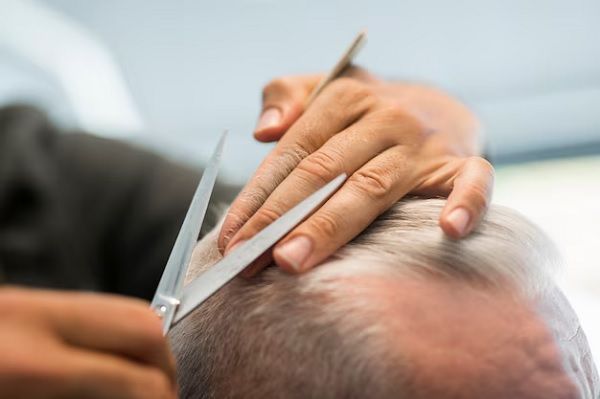
After some time has passed, you will notice that the hair that you had before getting a hair transplant has started to grow, and the rate of growth for normal hair will be quicker than the rate of growth for the FUE transplanted hair. You have the option of getting a haircut if the appearance of your hair bothers you as a result of the disparity in the rates at which the donor and transplanted hair are growing, but the trim will only affect the donor area and not the transplanted hair. Additionally, it is highly recommended to hold off on getting any kind of haircut for at least three weeks.
How do I get a haircut? With scissors, a razor, or an electric shaver?
The donor area can be trimmed with scissors three weeks after the hair transplant operation, but the implant locations should not be cut for at least one full month following the treatment. If you want your hair cut with a shaving machine, you will have to wait at least three months before you can get it done. Patients who have undergone hair transplant surgery using the FUE method are able to shave their heads using either the number 1 or number 2 setting on the shaving machine.
Because the FUE process leaves behind a series of tiny scars on the scalp, these scars are often smaller than 1 mm in diameter and are difficult to spot with the naked eye. However, individuals who have had their hair transplanted using the FUT method should let the hair to continue growing so that it can cover the scar left by the donor area. Six months after the procedure, you will be able to use a razor for your haircut. This is because the hair follicle will have grown enough strength during this period to be able to be shaved by the razor. After the sixth month, you are free to use whatever implements you like to give yourself a haircut.
Can I use hair dye after a hair transplant?
This is yet another common inquiry that many people have after they have had hair transplants performed. The correct response is “Yes” It goes without saying that in order to dye your hair, you will need to make use of specific chemicals, and during the first few weeks after your hair transplant, these chemicals may cause irritation to the skin of your scalp. The reason for this is due to the fact that following the operation, the skin on your scalp will be significantly more sensitive. But, after the first month of colouring your hair, it may be safe to do so; however, if you can hold off for another six weeks, it will be much safer for you to do so.
Selecting a hairdo after a transplant
Now that you’ve decided to have a haircut, which hairstyle do you think will look best on you? You are free to have any hairstyle you desire once your transplanted hair has fully healed and the risk of harming the transplanted hair is reduced to a minimum. In order to make the length of their hair appear more uniform following a transplant, the majority of men will shave their heads or cut their hair extremely short when they do so for the first time after the procedure.
If you want to conceal the donor hair that is still growing out and is shorter than the rest of your hair, another choice you have is to select a style that gives your hair more volume. Your first haircut should reflect your particular style, and since your hair is likely to get thicker in the future, this is an excellent moment to select a cut that will boost your self-esteem and draw attention to the fact that you have a bright future ahead of you.
Hairstyles after a hair transplant
You’re going to need to start thinking about how to style your hair once again after getting your first haircut, which is probably going to be just after you get it cut. In spite of the fact that dyes, heat styling, and styling products might give you the look you want, it is in your best interest to abstain from using these sorts of treatments and products for at least a month.
It is essential that you keep in mind that the region where the transplant took place may still be numb. If this is the case, you run the danger of burning or otherwise injuring your new hair follicles as well as your scalp because you will not be able to feel either of these things. Because your newly formed hair follicles are going to be sensitive at initially, applying chemicals on them may have unintended consequences.
Again, if you have a strong desire to change the colour of your hair, you should hold off on treatment for at least a month and have a discussion about your options with your hair restoration professional. Even if you’ve coloured your hair in the past, you should always perform a patch test to see how your newly grown hair follicles will respond to the dye.
Tips for hair cutting after Hair Transplant
Before getting your hair cut, it is a good idea to check with your doctor to make sure the healing process is going well and there won’t be any complications. You shouldn’t get a new haircut until the redness, swelling, and scabbing that you have on your scalp have subsided. Because getting a haircut could make the injury worse and cause the recovery process to take much longer. You need to let your barber know that you underwent hair transplant surgery so that he or she can trim your hair with extreme caution and sensitivity. If you don’t tell them, they might not know.
You ought to make use of the personal scissors, combs, shaving machine, and razors, and you shouldn’t make use of any other scissors or combs or shaving machines since there is a risk that it will cause damage to the scalp and diminish the likelihood that your hair transplant will be successful.
Frequently asked questions
What is the best time to cut hair after a hair transplant?
The best time to cut your hair after a hair transplant varies from person to person. Generally, you should wait at least two weeks before considering a haircut. This waiting period allows the transplanted hair follicles to settle into their new location. Cutting your hair too soon can disrupt the healing process and affect the hair growth pattern.
After the initial two-week period, many individuals find that their hair can be trimmed as needed. However, it’s crucial to consult with your surgeon or dermatologist before taking this step. They can provide personalized recommendations based on your healing progress and specific hair transplant technique. Remember, patience is vital during this period to achieve the best results.
Can I use hair products after a hair transplant?
Using hair products after a hair transplant should be approached with caution. In the first few weeks post-surgery, it’s advisable to avoid all hair products, including shampoos, conditioners, and styling aids. This ensures that the scalp remains clean and free from irritation that could affect healing.
Once you receive the go-ahead from your doctor, you can gradually reintroduce hair products. Opt for mild, sulfate-free shampoos and conditioners that are gentle on your scalp. Avoid heavy styling products or those with harsh chemicals until your hair and scalp are fully healed. Always prioritize products that promote hair health and minimize irritation.
How should I care for my scalp after a hair transplant?
Caring for your scalp after a hair transplant is crucial for optimal healing and hair growth. In the initial days following the procedure, it’s essential to keep the scalp clean and avoid any direct pressure. Gently wash your scalp with a mild shampoo as recommended by your surgeon.
After the first week, you can start to incorporate light moisturizing agents. These can help soothe the scalp and promote healing. Avoid scratching or picking at the scalp, as this can lead to infections or scarring. Follow your doctor’s post-operative care instructions closely to ensure the best results from your transplant.
Are there specific haircut styles I should avoid after a hair transplant?
Yes, certain haircut styles should be avoided after a hair transplant to prevent any stress on the new hair follicles. Styles that require tight pulls or excessive manipulation can be harmful during the early stages of healing. For instance, avoid tight ponytails, braids, or any hairstyles that place tension on the scalp.
Additionally, consider steering clear of buzz cuts or very short hairstyles immediately after the surgery. These styles can expose the scalp too much and may not be ideal until the hair has had a chance to grow thicker. Always consult with your stylist about the best options for your hair type and transplant stage.
How can I manage hair loss in the transplanted area?
Managing hair loss in the transplanted area involves a combination of patience and proper care. It’s normal to experience some hair shedding a few weeks after the transplant, known as shock loss. This is typically temporary, and new hair growth will resume in a few months.
To support hair growth, maintain a healthy lifestyle that includes a balanced diet rich in vitamins and minerals. Some individuals find that supplements like biotin can promote hair health. Regular scalp massages can also improve blood circulation, potentially aiding in hair growth. Always consult with your healthcare provider before starting any new supplements or treatments.