

Here are some essential tips for maintaining healthy, beautiful hair:
1. Choose the right products
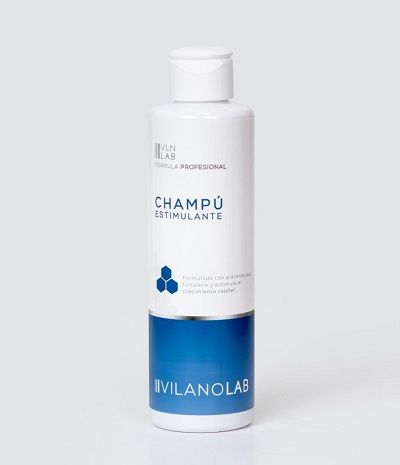
Shampoo Vilanolab
Choosing the right products is foundational for healthy hair care. Here’s how to select the best products for your hair’s unique needs:
Know your hair type
- Fine or thin hair: Look for lightweight, volumizing shampoos and conditioners that won’t weigh down your hair. Avoid heavy oils and creams that can make hair appear flat.
- Thick or coarse hair: Opt for rich, moisturizing shampoos and conditioners that provide extra hydration. Cream-based products and oils can help soften and control frizz.
- Curly or textured hair: Choose hydrating, sulfate-free products designed for curls to maintain moisture and reduce frizz. Ingredients like shea butter, coconut oil, and aloe are great for curl definition.
- Color-treated hair: Use color-safe, sulfate-free shampoos to prevent fading and dryness. Look for products with UV protection to help your color last longer.
- Oily or greasy hair: Use a clarifying shampoo once a week to remove excess oil and product buildup. Avoid heavy conditioners and use lighter, water-based leave-ins if needed.
Consider ingredients
- Avoid sulfates: Sulfates are cleansing agents that can strip your hair of natural oils, leading to dryness and irritation.
- Look for natural oils: Ingredients like argan oil, jojoba oil, and coconut oil can add moisture and shine without weighing hair down.
- Avoid parabens and alcohol: These can dry out hair and may lead to breakage over time.
- Proteins for strength: Hydrolyzed proteins (like keratin) can help strengthen and repair damaged hair, but use them sparingly as too much protein can cause stiffness.
Product types for targeted needs
- Leave-in conditioner: Ideal for added moisture, especially for curly or dry hair. It’s great for detangling and adding an extra layer of protection against styling damage.
- Heat protectant: If you use styling tools, a heat protectant is essential to minimize damage. Look for sprays or serums that shield hair up to 450°F.
- Serums and oils: For added shine and smoothness, lightweight serums or oils can reduce frizz and add moisture without heaviness.
- Dry shampoo: For in-between washes, dry shampoo can help absorb excess oil, giving hair a refreshed look and added volume.
- Deep conditioners or masks: Use once a week for intensive moisture and repair. Masks are excellent for dry or damaged hair, providing deep hydration.
Patch test new products
Before committing to a new product, test it on a small section of your hair or scalp to ensure it doesn’t cause irritation, especially if you have sensitive skin.
Rotate products seasonally
Different seasons can affect your hair’s needs. In humid summer months, lighter products can help control frizz, while heavier moisturizers are beneficial in the dry winter months.
Choosing the right products is about understanding your hair’s needs and being mindful of ingredients and product benefits. This careful selection sets the foundation for healthy, vibrant hair.
2. Limit heat styling

Limiting heat styling can significantly improve the health of your hair by reducing dryness, breakage, and split ends. Here are some effective strategies to help you minimize heat damage while still enjoying great style:
Use heat sparingly
- Try to keep heat styling to a minimum by only using heated tools on special occasions or when necessary.
- Limit heat styling to once or twice a week to give your hair time to recover.
Lower the temperature
- Most styling tools have adjustable temperature settings; aim to use the lowest effective heat.
- Fine or damaged hair typically requires less heat (around 300°F or lower), while thicker or coarser hair can tolerate slightly higher settings, but it’s best to stay below 400°F.
Use a heat protectant
- Always apply a heat protectant spray or serum before using heated tools to create a protective barrier. This reduces the direct impact of heat on hair strands.
- Look for a product that protects up to 450°F, which is the heat tolerance range of most styling tools.
Opt for air-drying
- Whenever possible, let your hair air-dry instead of blow-drying it. Air-drying allows your hair to dry naturally and reduces exposure to heat.
- You can create natural waves or volume by braiding damp hair or using heat-free curlers.
Try no-heat styles
- Experiment with braids, twists, buns, and rollers to add texture and waves without the need for heat.
- For extra volume, consider using foam rollers or flexi rods, which create curls overnight without heat.
Use ceramic or tourmaline tools
- If you do use heat styling tools, ceramic or tourmaline-plated irons and blow dryers distribute heat more evenly, reducing the risk of hot spots that can burn hair.
- Invest in quality tools with even heat distribution and adjustable temperature settings.
Reduce blow-drying time
- Let your hair air-dry as much as possible before finishing with a blow dryer to cut down on heat exposure.
- Use a diffuser attachment to spread the airflow more evenly, especially if you have curly or wavy hair, as this can help reduce frizz.
Condition and hydrate regularly
- Heat-styled hair often needs more hydration, so use a deep conditioning mask or oil treatment once a week to restore moisture.
- Focus on conditioning the ends, as they are usually the first to show signs of heat damage.
Take breaks from heat styling
Allow your hair time to “reset” by taking breaks from heat styling. Embrace natural textures on your off days, or try a weeklong heat-free challenge.
Wrap hair at night
Wrapping your hair in a silk or satin scarf at night helps preserve your style and smoothness, reducing the need to restyle with heat the next day.
Reducing heat exposure is one of the best ways to keep hair strong, shiny, and healthy. By limiting heat styling and using the right techniques, you can help your hair stay vibrant and avoid common damage.
3. Wash hair mindfully

Washing your hair mindfully is essential for maintaining its natural oils, moisture, and overall health. Here are some tips to wash your hair more effectively:
Choose the right frequency
- Hair type: Fine or oily hair may need washing every 1-2 days, while dry, coarse, or curly hair often does best with washing every 3-7 days.
- Lifestyle and environment: If you work out frequently or live in a humid environment, you might need to wash more often to keep your scalp fresh.
Use lukewarm or cool water
- Avoid hot water: Hot water can strip away natural oils, leading to dryness and frizz. Use lukewarm water to rinse and wash your hair.
- Cool rinse: Rinsing with cool water at the end of your wash helps seal the hair cuticles, adding shine and reducing frizz.
Massage the scalp gently
- Use your fingertips, not nails, to gently massage your scalp in circular motions. This stimulates blood flow and helps remove dead skin cells and product buildup.
- Avoid scrubbing aggressively to prevent irritation and breakage, especially if you have a sensitive scalp.
Focus shampoo on the scalp
- Shampoo is primarily for cleansing your scalp, where oil and dirt accumulate. Apply shampoo to your scalp and roots, then gently work it down the lengths of your hair as you rinse.
- Avoid over-shampooing the ends, as they’re typically drier and more prone to breakage.
Condition carefully
- Conditioner is essential for hydrating and detangling, but it’s best applied primarily to the lengths and ends of the hair, where it’s most needed.
- If you have oily hair, avoid applying conditioner to the scalp to prevent it from looking greasy. Instead, focus on the mid-lengths and ends.
- Let conditioner sit for a few minutes before rinsing to allow it to deeply nourish the hair.
Detangle while wet, If needed
If you need to detangle, do so when your hair is wet and conditioned. Use a wide-tooth comb or your fingers to gently work out tangles, starting at the ends and working your way up to avoid breakage.
Limit product use
- Avoid using too much product, as excess shampoo and conditioner can be difficult to rinse out, leading to buildup.
- Use a clarifying shampoo once every 2-4 weeks to remove product buildup, especially if you use styling products or live in a hard-water area.
Be gentle with toweling
- Instead of vigorously rubbing your hair with a towel, gently pat or squeeze out excess water.
- Use a microfiber towel or an old T-shirt to reduce friction and minimize frizz and breakage.
Avoid over-washing
Washing your hair too frequently can strip it of natural oils, causing it to dry out and become more prone to breakage. Allow your hair’s natural oils to nourish the strands by spacing out washes as much as your hair type allows.
Try pre-shampoo treatments
If your hair is especially dry or damaged, consider a pre-shampoo oil treatment to protect and hydrate. Apply oils like coconut, olive, or argan oil to the ends and leave it in for 15-30 minutes before washing.
By washing your hair mindfully, you protect its natural moisture balance, improve its texture, and keep it looking vibrant and healthy.
4. Condition and deep condition regularly
Conditioning and deep conditioning regularly is essential for maintaining soft, hydrated, and healthy hair. Here’s a guide to making the most of these crucial steps in your hair care routine:
Use conditioner every time you wash
- Daily or regular conditioner: After every shampoo, apply a daily conditioner to restore moisture, detangle, and add shine. This is especially important if you have curly, dry, or chemically treated hair.
- Apply correctly: Focus conditioner on the mid-lengths and ends, where hair is usually drier and more prone to breakage. Avoid applying it to the scalp if your hair tends to get greasy, as it can weigh it down.
Choose the right conditioner for your hair type
- Fine or oily hair: Opt for a lightweight conditioner that won’t weigh hair down. Volumizing conditioners or those labeled “light” are good options.
- Thick, coarse, or curly hair: Look for rich, hydrating conditioners with ingredients like shea butter, coconut oil, or argan oil to deeply moisturize and reduce frizz.
- Color-treated hair: Use a color-safe conditioner to protect and maintain your hair color. These formulas typically contain ingredients that shield hair from fading and drying out.
Deep condition weekly
- Hydrate and repair: Deep conditioning or using a hair mask once a week provides intensive hydration, strengthens strands, and helps repair damage from styling or environmental exposure.
- Leave it in: Apply a generous amount to damp hair, focusing on the ends, and leave it on for at least 10-15 minutes. For an even deeper treatment, leave it on for 30 minutes or cover with a shower cap to lock in moisture.
- Curly or highly textured hair: Consider deep conditioning more frequently, such as twice a week, if your hair is naturally drier or more porous.
Use the right ingredients
- Moisturizing ingredients: Look for products with natural oils (like argan, coconut, or olive oil), butters (like shea butter), and humectants (like glycerin) to lock in moisture.
- Proteins for strength: Hydrolyzed proteins like keratin, collagen, or silk protein can help strengthen hair, but use protein-based treatments sparingly as too much can make hair feel brittle.
- Avoid heavy silicones: If you have fine hair or tend to experience buildup, choose products without heavy silicones. These can make hair look limp over time and may be harder to wash out.
Try leave-in conditioners
- Extra hydration: For long-lasting moisture, apply a leave-in conditioner after washing, especially if your hair is dry or prone to tangling.
- Apply sparingly: Focus on the ends to avoid weighing down your hair, and use a spray leave-in if you have fine hair for a lighter touch.
Experiment with hot oil treatments
- Seal in moisture: Hot oil treatments are a great addition to your conditioning routine, especially if you have dry or curly hair. Apply warm oil to damp hair, let it sit for 20-30 minutes, then rinse.
- DIY option: Use oils like coconut, olive, or argan oil. These oils penetrate the hair shaft, adding lasting moisture and shine.
Rinse thoroughly with cool water
- Seal the cuticle: After conditioning, rinsing with cool water helps seal the hair cuticle, adding shine and reducing frizz.
- Avoid residue: Make sure to rinse out all conditioner to prevent buildup, which can weigh down hair or make it feel greasy.
Be consistent with deep conditioning
- Regular conditioning helps prevent damage from environmental factors, heat styling, and everyday wear and tear.
- Adding deep conditioning to your weekly routine will make a noticeable difference in softness, manageability, and strength.
By conditioning and deep conditioning regularly, you help to maintain your hair’s hydration, strengthen its structure, and enhance its overall health and appearance. This simple routine can make a huge difference, especially over time.
5. Protect your hair at night

Protecting your hair at night is a key step to keeping it strong, smooth, and frizz-free. Here’s how to give your hair the best nighttime care:
Use a silk or satin pillowcase
- Reduce friction: Cotton pillowcases can cause friction, which leads to frizz, tangles, and breakage. Silk or satin pillowcases allow your hair to glide smoothly as you sleep, reducing damage.
- Preserve moisture: Silk and satin also help retain moisture in your hair and prevent it from drying out overnight.
Wrap or cover your hair
- Silk or satin bonnet: If you have curly, wavy, or textured hair, consider wearing a silk or satin bonnet to protect your hair’s shape and prevent frizz.
- Head wrap or scarf: Wrapping your hair in a silk or satin scarf keeps your style intact and protects your strands, especially if you have long hair or braids.
Tie your hair up loosely
- Prevent breakage: Sleeping with your hair down can lead to tangles and breakage. Tie your hair in a loose ponytail or bun to keep it secure without pulling on the roots.
- Use a soft hair tie: Avoid tight elastics, which can cause breakage. Opt for a scrunchie or a spiral hair tie that’s gentle on your hair.
Try the “pineapple” technique
- For curly and wavy hair: Gather your hair into a loose, high ponytail at the crown of your head before bed. This keeps curls lifted and helps them maintain their shape while minimizing frizz.
- Adds volume: The “pineapple” method can also help prevent flatness and add volume when you wake up.
Apply a leave-in or hydrating oil
- Moisturize overnight: If your hair is prone to dryness, apply a small amount of leave-in conditioner or hair oil to the ends before bed. This will keep your hair soft and hydrated through the night.
- Avoid the scalp: Focus on the lengths and ends to prevent an oily look in the morning.
Consider braiding your hair
- Reduce tangles: Loose braids can help prevent tangles and knots while you sleep. It’s an ideal method for long hair or fine hair that tangles easily.
- Create natural waves: For a heat-free styling option, try sleeping in braids to wake up with soft, natural waves.
Use a humidifier if needed
- Maintain moisture in dry climates: If you live in a dry climate or experience dry air from indoor heating, a humidifier can add moisture to the air, preventing your hair from drying out overnight.
- Prevent static and frizz: Moisturized air also helps reduce static and frizz, which can be common in dry environments.
Don’t go to bed with wet hair
- Prevent breakage: Wet hair is more fragile and prone to breakage. Sleeping with damp hair can cause it to stretch and weaken.
- Set a quick routine: If washing your hair at night, make sure it’s fully dry or towel-dry it thoroughly before bed. For extra care, let it air-dry naturally for a while before styling or tying it up.
By taking these steps to protect your hair at night, you’re setting yourself up for healthier, shinier, and more manageable hair each day. Plus, with these simple changes, you can prevent a lot of common hair issues over time.
6. Stay hydrated and maintain a balanced diet

Staying hydrated and maintaining a balanced diet play a critical role in keeping your hair strong, shiny, and healthy. Here’s how hydration and nutrition support hair health:
Drink plenty of water
- Hydrate hair from within: Drinking enough water keeps your body and hair hydrated, which is essential for overall hair health. When you’re dehydrated, your hair can become dry, brittle, and more prone to breakage.
- Aim for 8+ glasses a day: Aim for at least 8 glasses of water daily, and increase if you’re very active or live in a hot climate.
Eat a variety of nutrient-rich foods
- Protein-rich foods: Hair is primarily made up of a protein called keratin, so a diet rich in protein is essential for growth and strength. Include sources like lean meats, eggs, fish, legumes, nuts, and seeds in your diet.
- Iron: Iron supports blood circulation and carries oxygen to hair follicles, which is essential for growth. Foods like spinach, red meat, beans, and lentils are great iron sources.
- Vitamin C: Vitamin C helps absorb iron and is an antioxidant that supports scalp health. Include citrus fruits, strawberries, bell peppers, and broccoli in your meals.
- Omega-3 fatty acids: Omega-3s are essential for keeping hair hydrated and promoting scalp health. Salmon, flaxseeds, chia seeds, and walnuts are excellent sources.
- Biotin: Biotin, or Vitamin B7, strengthens hair and promotes growth. Eggs, almonds, avocados, and sweet potatoes are rich in biotin.
- Zinc: Zinc helps repair hair tissue and keeps the scalp healthy. You can find it in foods like oysters, pumpkin seeds, and chickpeas.
Incorporate healthy fats
- Moisturize from the inside out: Healthy fats, like those found in avocados, nuts, and olive oil, keep hair moisturized, soft, and shiny.
- Support scalp health: These fats also support scalp hydration, helping to prevent dryness and dandruff.
Avoid processed foods and excess sugar
- Limit inflammatory foods: Processed foods, sugary snacks, and soft drinks can cause inflammation, which may lead to weaker hair and scalp issues.
- Support nutrient absorption: By minimizing processed foods, you help your body absorb essential nutrients that benefit hair growth.
Consider hair-friendly supplements, if needed
- Target nutrient deficiencies: If your diet is lacking in certain nutrients, consult with a healthcare professional to consider supplements for biotin, zinc, iron, or other vitamins essential for hair health.
- Choose high-quality supplements: When taking supplements, ensure they are from a reputable brand and discuss with a healthcare provider to avoid over-supplementing.
Practice consistency
- Long-term benefits: Consistently drinking water and eating a balanced diet won’t give you results overnight, but over time, it will significantly improve the health, texture, and growth rate of your hair.
- Boosts overall health: A healthy diet and hydration not only enhance hair but also improve skin, nails, and overall energy.
Reduce caffeine and alcohol intake
- Prevent dehydration: Caffeine and alcohol can dehydrate you, affecting your hair’s moisture and making it look dull and brittle.
- Balance with water: If you consume caffeine or alcohol, increase your water intake to counterbalance their dehydrating effects.
Be mindful of crash dieting
- Avoid hair loss: Extreme dieting or cutting out entire food groups can lead to nutrient deficiencies, weakening hair and even causing hair loss.
- Opt for a balanced approach: Instead, focus on a sustainable, balanced diet that includes a variety of nutrients essential for long-term hair and health benefits.
By staying hydrated and eating a balanced, nutrient-rich diet, you provide your hair with the building blocks it needs to grow strong, resilient, and shiny. This approach supports not only your hair but also your overall health and well-being.
7. Trim regularly
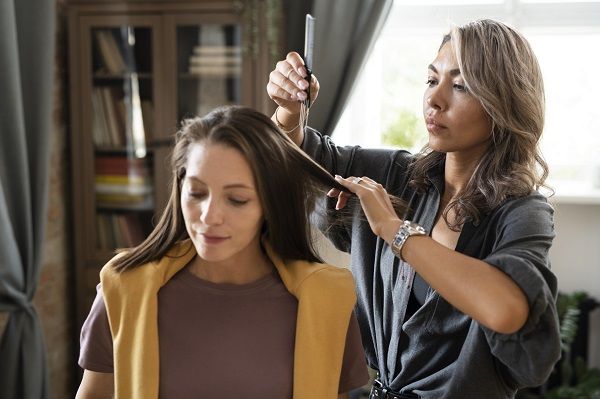
- Trimming your hair every 6-8 weeks prevents split ends from traveling up the hair shaft, which can lead to more breakage.
- Regular trims keep your hair looking healthy and can help it grow longer over time.
8. Handle wet hair gently
- Wet hair is more vulnerable to breakage, so avoid brushing it immediately after washing.
- Use a wide-tooth comb or your fingers to detangle when hair is damp, starting from the ends and working up.
- Gently pat hair with a microfiber towel or an old T-shirt to absorb excess water and reduce frizz.
9. Protect hair from the elements
- The sun, wind, and pollution can be harsh on hair. Wear a hat or scarf when outdoors for extended periods.
- In colder weather, wear a silk or satin-lined hat to avoid static and breakage.
- If swimming, rinse your hair with clean water first to help minimize absorption of salt or chlorine, and use a protective leave-in conditioner.
10. Avoid over-brushing
- Brush only as needed to style or detangle; over-brushing can lead to breakage.
- Use a brush with natural bristles or a detangling comb to reduce static and protect hair from damage.
- Remember that less is more—try to only brush or comb hair when necessary.
With these tips, your hair will benefit from the care and protection it needs to stay strong, shiny, and healthy.