
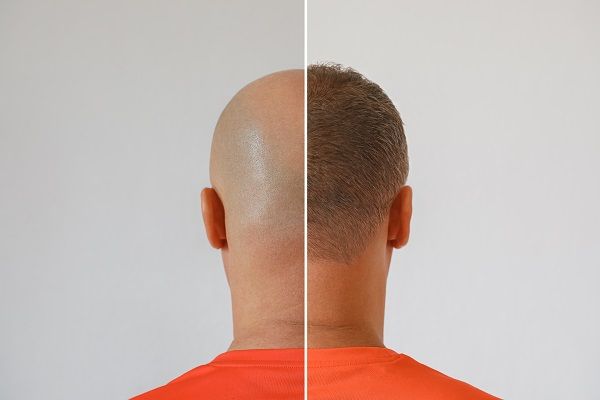
Hair transplants can be a life-changing solution for those struggling with hair loss. However, not every procedure yields the desired results. The question, can a hair transplant be repaired?, is common among individuals who may have experienced subpar outcomes. Whether due to improper technique, poor post-operative care, or other factors, there are options available to address these issues. Understanding these solutions can empower you to make informed decisions about your hair restoration journey.
Repairing a hair transplant often involves a multi-faceted approach. It may include corrective procedures, medications, or even lifestyle changes to enhance hair growth. Additionally, understanding the factors that can lead to a failed transplant is crucial for future success. If you want to learn more about the potential challenges of hair transplants, you can explore hair graft rejection. This article will delve deeper into the solutions and options available for individuals seeking to repair their hair transplants.
Can a hair graft be rejected?
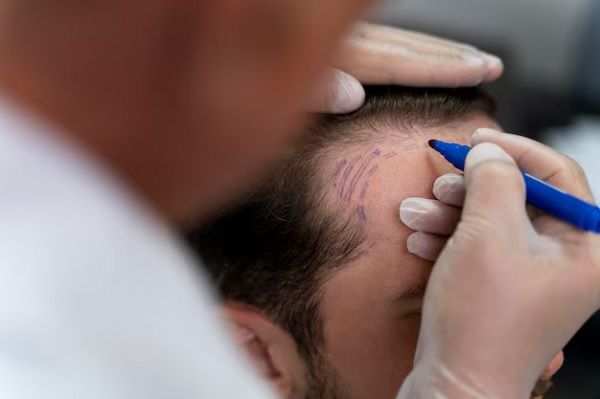
The surgical procedure known as a hair transplant is extremely difficult and labor-intensive. Hair transplant procedures take a significant amount of time and demand great effort and labor. In turn, this necessitates a significant quantity of knowledge and many years of experience and intuition. Regrettably, not all treatments are carried out utilizing the most recent innovations in both technique and technology.
In addition, the outcomes of hair transplantation frequently fall short of a patient’s expectations, and patients are frequently not entirely content with the procedure’s outcomes. For example, visible scars may remain where donor follicles have been removed, and the hairline may not seem as natural as it would otherwise. These are only two of the potential repercussions that patients can experience.
A subpar hair transplant procedure can create several issues in people’s lives. Even though executing hair transplantation on a virgin scalp is a very simple procedure, performing a subsequent hair transplant on a scalp that has previously had one unsuccessfully performed requires a distinct set of skills. The patient’s life will be completely different after the successful completion of the hair transplant revision procedure. Nevertheless, if you are in competent hands, it is still feasible to undo the effects of a hair transplant.
Repairing a botched hair transplant requires significant experience because it is difficult to undo the damage caused by the original procedure. During the repair process, the professional could run into many obstacles. Finding an establishment that has a good reputation should be a priority because of this reason.
There are still options available to restore a hair transplant, even if the damage has already been done. Persons who have had a failed hair transplant in the past, or people who want to increase the density and volume of their hair after having a first hair transplant, are both candidates for a second hair transplant.
The surgeon can restore your hair
The surgeon can restore your hair with hair transplant repair surgery if the results of your first hair transplant procedure fall short of your expectations. Before going through a hair restoration operation, it is necessary to choose a competent and well-respected surgeon who will tailor their approach to each patient’s individual needs to get the most desirable results.
Hair transplant results that are insufficient might be rather disheartening for the patient. Hair is a significant component of your overall appearance and contributes to your attractiveness by balancing out the characteristics of your face. A skilled hair transplant expert has the knowledge and skills to arrange an efficient and individualized procedure to achieve the desired positive outcome.
Can a failed hair transplant be repaired?
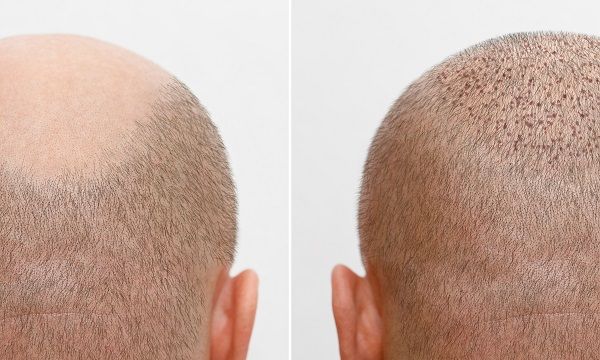
It can be difficult to correct an unsuccessful hair transplant, but a skilled physician can help prevent unfavorable outcomes and monitor potential implications. To begin getting a second hair repair transplant, you will first need to contact a physician by sending current images of your hair to be evaluated. After that, the surgeons can tailor the procedure to your specific needs.
Incorrect graft handling, inadequate post-operative care, and a lack of knowledge on the part of the attending physician are all potential causes of a botched hair transplant procedure. It is just as crucial to take good care of your freshly implanted hair as it was for the surgeon to do the procedure. Because of this, taking care of the scalp and observing the recommendations given to you following a hair transplant is very important. If this is not avoided, you risk developing scars on your scalp, which prevent the transplanted grafts from ever growing back.
Graft repair procedures
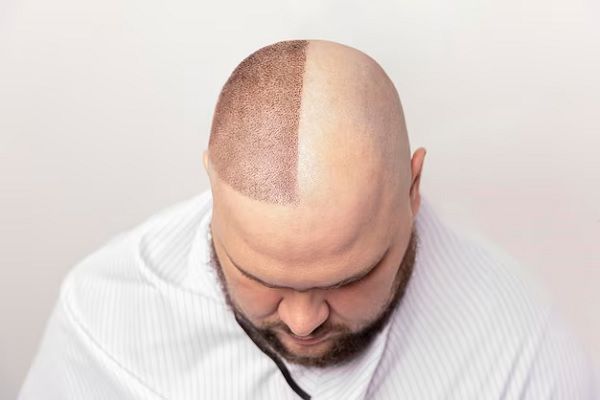
Plug redistributions
Follicular Unit Transplants and other antiquated procedures leave a noticeable “plug” look at the front of the head where the hair is growing. For this precise reason, many modern hair restoration doctors promote a technique known as follicular unit extraction. The medical technique known as “plug redistribution” entails the specialist making repairs to transplants of the “plug” variety.
However, the method started gaining widespread attention in the early 2000s. Because FUE also needs talent, many professionals and patients have opted for FUT treatments during the past years.
Past processes for plug redistribution
Plug-style transplants age. Even though they are visible, plugs start as dense masses wrapped around ordinary hair follicles. Patients may have continued hair loss over time, which can cause their hair plugs to take on an even more unnatural “doll’s hair” appearance. However, strip treatments are the only method that can produce hair plugs.
Before the development of FUE, the only method for treating situations like this was to remove a “strip” of hair from the frontal hairline. This process eliminates the “pluggy” look and produces a scar that runs straight across the head. The linear scar can also be seen as a result of a low follicle count, which is another reason density is not guaranteed. Alternately, medical professionals “dug” out the grafts by using a small punch, which is, at best, a rudimentary procedure.
FUE plug redistribution skill
If performed by an experienced surgeon, FUE can result in natural and attractive hairlines. To get good at FUE and other procedures, you need to put in a lot of time and learn a lot. The CIT system is especially well-suited for plug redistribution. Minimum invasiveness provides little scarring. Precision assures that the hairline will look convincingly similar to the original.
Scar grafting procedures
The linear scars visible in donor locations after a FUT transplant are apparent. These scars can become much larger, occasionally reaching a point where they are disfiguring. This error could have been caused by several factors, including a scalp that was too tight, a graft placement that was too low, or a sloppy surgical technique. Scarring might look very different depending on the method. There may be some that are very brief, while others may extend across the ear. They frequently become wider with time, sometimes reaching a measurement of over two millimeters; this can be visibly deforming regardless of the hair length.
Scars are typically easier to hide when hair is of a medium length. On other occasions, they are noticeable even when the hair is a normal length. A linear scar’s “shadow” may still be visible even after hair has grown out because of its ability to alter the pattern of hair development below the scar compared to above it.
Frequently asked questions
What are the common reasons for hair transplant failure?
Hair transplant failure can occur due to several reasons. Poor surgical techniques, such as improper graft placement or inadequate donor hair selection, can lead to unsatisfactory results. Additionally, the patient’s overall health plays a critical role. Conditions like hormonal imbalances or underlying medical issues can hinder hair growth. Lastly, inadequate post-operative care, including neglecting scalp hygiene or not following aftercare instructions, can negatively impact the healing process. Understanding these factors can help individuals take proactive steps to ensure a successful outcome.
How can a failed hair transplant be repaired?
Repairing a failed hair transplant typically involves corrective procedures. One option is a second hair transplant, where a skilled surgeon can reposition existing grafts or add new ones. This method requires careful planning to ensure that the new grafts blend well with the existing hair. Another option is scalp micropigmentation, which involves tattooing tiny dots on the scalp to create the illusion of fuller hair. This technique can effectively camouflage thinning areas. Ultimately, discussing your specific situation with a qualified specialist will help determine the best approach for repair.
Are there non-surgical options to improve hair transplant results?
Yes, there are several non-surgical options available to enhance hair transplant results. One effective method is the use of platelet-rich plasma (PRP) therapy. This treatment involves drawing a small amount of the patient’s blood, processing it to concentrate the platelets, and injecting it into the scalp. The growth factors in PRP can stimulate hair follicles and promote healing. Additionally, topical treatments like minoxidil can encourage hair growth and improve the overall appearance of transplanted areas. Combining these methods with proper care can lead to better outcomes.
How long does it take for a hair transplant to heal?
The healing time after a hair transplant can vary based on several factors, including the technique used and individual healing rates. Generally, initial healing occurs within the first week. During this time, patients may experience redness, swelling, and scabbing in the transplant area. Most of these symptoms will subside within 10 to 14 days. However, full results may take several months, typically around six to nine months, as the hair follicles enter the growth phase. Patience is essential, as hair growth can continue to improve for up to a year post-procedure.
Can I undergo another hair transplant if the first one didn’t work?
Yes, you can undergo another hair transplant if the first one did not yield satisfactory results. However, it is essential to wait for a sufficient healing period before considering a second procedure. This waiting period allows the scalp to recover and ensures that the surgeon can accurately assess the initial transplant’s outcome. Consulting with an experienced hair transplant surgeon is crucial to evaluate the best time and approach for a second procedure. They will help you understand the risks and benefits involved in repeating the process.
What should I look for in a surgeon for hair transplant repair?
Choosing the right surgeon for hair transplant repair is vital for achieving the desired results. Start by checking their qualifications, including board certification and specialized training in hair restoration. Experience is equally important; look for a surgeon with a proven track record of successful repairs. Review before-and-after photos of previous patients to gauge their results, and read testimonials to understand patient satisfaction. Finally, ensure that the surgeon communicates effectively and addresses all your concerns. A good rapport can significantly enhance your overall experience.