
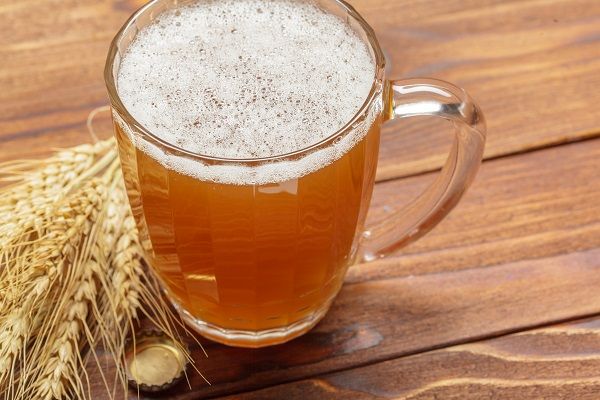
Brewer’s yeast, a byproduct of beer production, is often discussed in the context of hair health and hair loss. Here’s a detailed look at its potential benefits and limitations for addressing hair loss:
What is Brewer’s Yeast?

Brewer’s yeast is a type of fungus, scientifically known as Saccharomyces cerevisiae. It plays a crucial role in brewing beer and baking bread due to its ability to ferment sugars. Here’s a closer look at what brewer’s yeast is and its key characteristics:
Characteristics of brewer’s yeast
- Microorganism type: Brewer’s yeast is a single-celled fungus. It’s a strain of Saccharomyces cerevisiae, which is used extensively in the fermentation process of alcoholic beverages and baking.
- Fermentation role: In brewing, it ferments the sugars present in malted barley to produce alcohol and carbon dioxide. In baking, it helps dough rise by producing carbon dioxide gas as it ferments the sugars in the dough.
- Forms and uses: Brewer’s yeast is available in several forms, including active dry yeast, instant yeast, and nutritional yeast. The form used depends on its purpose:
- Active Dry Yeast: Used in baking to leaven bread.
- Instant Yeast: A faster-acting form used in baking.
- Nutritional Yeast: A deactivated form used as a food supplement and flavoring, often favored by vegetarians and vegans for its nutrient content.
Nutritional profile
Brewer’s yeast is rich in several key nutrients, including:
- B Vitamins: It is a significant source of B vitamins, including B1 (thiamine), B2 (riboflavin), B3 (niacin), B5 (pantothenic acid), B6 (pyridoxine), B7 (biotin), B9 (folic acid), and B12 (cobalamin). These vitamins play vital roles in metabolism, energy production, and maintaining healthy skin and hair.
- Minerals: Brewer’s yeast contains essential minerals such as iron, zinc, magnesium, selenium, and potassium. These minerals support various bodily functions, including immune system health, cellular function, and electrolyte balance.
- Proteins and amino acids: It provides a good amount of protein and essential amino acids, which are necessary for muscle repair, enzyme function, and overall health.
- Antioxidants: Brewer’s yeast contains antioxidants such as selenium and glutathione, which help combat oxidative stress and protect cells from damage.
- Beta-glucans: These are polysaccharides known for their potential immune-boosting properties.
Potential benefits for hair health
- Rich in B vitamins:
- Biotin (Vitamin B7): Biotin is well-known for its role in promoting healthy hair growth. It helps strengthen hair follicles and prevent hair loss by improving the infrastructure of keratin, a key protein in hair.
- Niacin (Vitamin B3): Niacin improves blood circulation to the scalp, which can enhance hair growth by providing hair follicles with essential nutrients and oxygen.
- Riboflavin (Vitamin B2) and pantothenic acid (Vitamin B5): These vitamins contribute to the maintenance of healthy hair and prevent premature graying and hair loss.
- Mineral content:
- Zinc: Zinc is crucial for healthy hair growth and repair. It helps maintain the oil glands around hair follicles and can help prevent hair loss.
- Iron: Iron is essential for producing hemoglobin, which carries oxygen to hair follicles. Adequate iron levels are important for preventing hair loss related to anemia.
- Magnesium: Magnesium helps with protein synthesis and improves the overall health of hair follicles.
- Protein and amino acids: Brewer’s yeast is a good source of protein and essential amino acids, which are necessary for the production of keratin and collagen. These proteins support hair strength, structure, and overall health.
- Antioxidants (Selenium and Glutathione): These antioxidants help protect hair follicles from oxidative stress and damage, which can otherwise lead to hair thinning and loss.
- Beta-Glucans: Beta-glucans in brewer’s yeast can enhance the immune system, which may help maintain a healthy scalp environment. A well-functioning immune system can indirectly support healthy hair growth.
Usage for hair health

Brewer’s yeast can be utilized in various ways to support hair health. Here’s how it can be used effectively:
1. Dietary supplements
- Tablets or capsules: Brewer’s yeast is available in tablet or capsule form. This is a convenient way to incorporate it into your daily routine. The typical dosage varies by product, so it’s important to follow the manufacturer’s recommendations or consult with a healthcare provider.
- Powder: Brewer’s yeast powder can be added to smoothies, shakes, or even sprinkled over foods. This form is versatile and allows for easy integration into various recipes.
2. Topical applications
- Hair masks: Brewer’s yeast can be combined with other ingredients to create a nourishing hair mask. For example, mixing brewer’s yeast with yogurt, honey, or olive oil can provide a conditioning treatment for the hair and scalp. Leave the mask on for 20-30 minutes before rinsing.
- Scalp treatments: Brewer’s yeast can be mixed with water or other soothing agents and applied directly to the scalp. This can help nourish the scalp and promote a healthier environment for hair growth.
3. Dietary incorporation
- Smoothies and shakes: Adding a scoop of brewer’s yeast powder to smoothies or shakes can be an easy way to consume it. This method integrates the yeast into your diet without altering the flavor significantly.
- Baking and cooking: Brewer’s yeast powder can be used in baking recipes, such as bread or muffins, to enhance their nutritional content. It can also be added to soups or stews for an extra boost.
4. Balanced diet
Combine with other nutrients: While brewer’s yeast can be beneficial, it’s important to ensure a balanced diet that includes a variety of nutrients. Consuming a mix of protein, healthy fats, fruits, and vegetables can further support hair health.
Considerations and recommendations

Considerations
- Dosage and form
- Dosage: Follow the recommended dosage on the product label or as advised by a healthcare professional. Excessive consumption may lead to side effects.
- Form: Brewer’s yeast is available in various forms such as tablets, capsules, powder, and flakes. Choose the form that best suits your lifestyle and preferences.
- Potential allergies and sensitivities
- Allergies: Brewer’s yeast may cause allergic reactions in some individuals, particularly those with yeast allergies. If you experience symptoms like itching, swelling, or hives, discontinue use and consult a healthcare provider.
- Digestive Sensitivities: Some people may experience digestive issues such as bloating or gas. Start with a small amount to gauge your body’s response.
- Nutrient interactions: Brewer’s yeast contains high levels of B-vitamins and minerals. Be mindful of your overall nutrient intake to avoid excessive levels of these nutrients, which can occur if taking multiple supplements.
- Consultation with Healthcare Providers
- Pre-existing conditions: If you have pre-existing health conditions or are pregnant or breastfeeding, consult with a healthcare provider before starting brewer’s yeast supplements.
- Medication interactions: Brewer’s yeast might interact with certain medications, such as antidepressants or diabetes medications. Always check with a healthcare provider if you’re on medication.
- Quality of the product: Choose high-quality brewer’s yeast products from reputable brands. Ensure they are free from contaminants and meet safety standards.
Recommendations
- Integrate gradually: Start with a lower dosage to see how your body reacts before gradually increasing to the recommended amount.
- Monitor your body’s response: Pay attention to any changes or side effects after starting brewer’s yeast. If adverse reactions occur, discontinue use and consult a healthcare professional.
- Balance with a healthy diet: Brewer’s yeast should complement a balanced diet rich in proteins, healthy fats, vitamins, and minerals. A holistic approach to nutrition will support overall hair health more effectively.
- Stay hydrated: Drink plenty of water throughout the day to help your body process and absorb nutrients.
- Consistency is key: For the best results, use brewer’s yeast consistently as part of a regular regimen. Improvement in hair health typically takes time and should be part of an ongoing hair care routine.
- Use topically with caution: If using brewer’s yeast topically, perform a patch test first to ensure there are no adverse reactions. Combine it with other nourishing ingredients to maximize benefits.
By keeping these considerations and recommendations in mind, you can effectively incorporate brewer’s yeast into your regimen for supporting hair health while minimizing potential risks.
Summary
Brewer’s yeast holds promise for supporting hair health due to its rich nutritional profile, which includes vital vitamins and minerals that contribute to overall hair strength and growth. However, while it may offer benefits, its effectiveness specifically for hair loss is not extensively validated by scientific research. Therefore, it should be used as part of a well-rounded approach to hair care and health.