
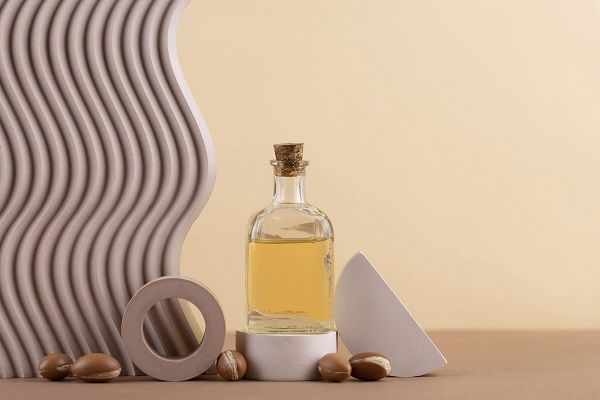
What is?
Argan oil, often called “liquid gold,” is a natural oil extracted from the kernels of the argan tree (Argania spinosa), which is native to Morocco. It has gained widespread popularity for its rich nutrient content and exceptional benefits for hair, skin, and nails.
Nutritional composition of argan oil
- Essential fatty acids: Primarily oleic acid and linoleic acid, which provide deep moisturization.
- Vitamin E: An antioxidant that protects and nourishes hair.
- Phenols: Strengthen hair follicles and promote healthier growth.
- Squalene: A natural moisturizer with protective properties.
- Antioxidants: Protect against environmental damage.
Benefits of argan oil for hair
1. Deeply moisturizes
- How it works: Its fatty acids lock in moisture, preventing dryness and frizz.
- Best for: Dry, coarse, or curly hair.
2. Reduces frizz and tames flyaways
- How it works: Argan oil smooths the hair shaft, reducing frizz and making hair more manageable.
- Best for: Humid climates or hair prone to frizz.
3. Adds shine
- How it works: Its natural lipids coat the hair, enhancing its natural luster.
- Best for: Dull or lackluster hair.
4. Protects against heat damage
- How it works: Creates a barrier around the hair shaft to shield it from heat tools like flat irons and blow dryers.
- Best for: Those who frequently style their hair with heat.
5. Repairs damage
- How it works: The antioxidants and vitamin E repair damaged cuticles and restore elasticity.
- Best for: Hair damaged by coloring, bleaching, or chemical treatments.
6. Strengthens hair
- How it works: The phenols and fatty acids reinforce hair fibers, reducing breakage and split ends.
- Best for: Brittle or weak hair.
7. Protects against UV damage
- How it works: Antioxidants in argan oil shield hair from harmful UV rays and environmental pollutants.
- Best for: Outdoor exposure or summer months.
8. Promotes scalp health
- How it works: Its anti-inflammatory and moisturizing properties soothe scalp issues like dryness or dandruff.
- Best for: Flaky or irritated scalp.

How to use argan oil for hair
1. As a leave-in conditioner
- Steps:
- Warm 2-3 drops of argan oil between your palms.
- Apply to damp hair, focusing on the ends.
- Avoid the roots to prevent greasiness.
- Benefit: Adds shine, reduces frizz, and protects throughout the day.
2. As a deep conditioning treatment
- Steps:
- Apply a generous amount of argan oil to dry hair.
- Massage into the scalp and comb through to distribute evenly.
- Leave on for at least 30 minutes (or overnight).
- Rinse with a mild shampoo.
- Benefit: Repairs and deeply moisturizes damaged hair.
3. As a heat protectant
- Steps:
- Apply 1-2 drops of argan oil to damp hair before blow-drying or styling.
- Comb through for even distribution.
- Benefit: Shields hair from heat damage.
4. As a scalp treatment
- Steps:
- Massage a few drops of argan oil into your scalp.
- Leave on for 20 minutes before washing.
- Benefit: Reduces dryness and improves overall scalp health.
5. As a split end remedy
- Steps:
- Rub 1-2 drops of argan oil onto the ends of your hair.
- Style as usual.
- Benefit: Reduces the appearance of split ends and prevents further damage.
Who can benefit from argan oil?
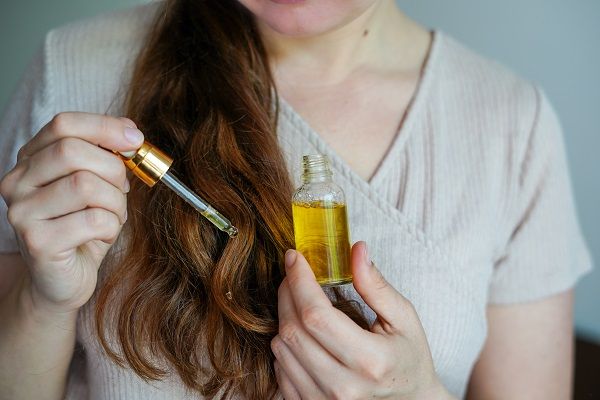
Argan oil is a versatile product that can benefit a wide range of people, regardless of their hair type or specific concerns. Here’s a breakdown of who can benefit the most and why:
1. People with dry or damaged hair
- Why? Argan oil deeply moisturizes and nourishes dry hair, repairing damage caused by heat, chemicals, or environmental exposure.
- How to Use: Apply as a deep-conditioning mask or use a few drops as a leave-in treatment to restore softness and shine.
2. Those with frizzy or unmanageable hair
- Why? Its smoothing properties help tame frizz and flyaways, making hair more manageable and polished.
- How to Use: Rub 1-2 drops between your palms and apply to damp or dry hair, focusing on the mid-lengths and ends.
3. People with curly or textured hair
- Why? Argan oil enhances natural curls by providing moisture and definition while reducing breakage.
- How to Use: Mix with a curl cream or use as a standalone product to lock in moisture.
4. Individuals prone to split ends
- Why? Argan oil strengthens hair fibers, reducing the appearance of split ends and preventing further damage.
- How to Use: Apply a small amount to the ends of your hair daily.
5. Those with a dry or itchy scalp
- Why? Its anti-inflammatory and moisturizing properties soothe irritation and hydrate a flaky scalp.
- How to Use: Massage a few drops into your scalp before washing your hair.
6. People experiencing hair thinning or breakage
- Why? Argan oil nourishes and strengthens hair from the roots, promoting healthier growth and reducing hair breakage.
- How to Use: Use as a scalp treatment, massaging gently to improve blood flow and stimulate follicles.
7. Those who use heat styling tools
- Why? Argan oil acts as a heat protectant, shielding hair from damage caused by blow dryers, flat irons, and curling wands.
- How to Use: Apply a small amount to damp hair before styling with heat.
8. People exposed to sun or harsh environments
- Why? Its antioxidants protect hair from UV rays and environmental pollutants.
- How to Use: Apply as a protective layer before spending time outdoors.
9. Individuals with fine or thin hair (used sparingly)
- Why? While heavier oils can weigh down fine hair, the lightweight texture of argan oil makes it suitable for hydration and shine without greasiness (when used sparingly).
- How to Use: Use 1-2 drops, avoiding the roots, to add softness and reduce flyaways.
10. Those seeking natural hair care solutions
- Why? Argan oil is free of harsh chemicals and safe for all ages, making it ideal for those wanting a natural, sustainable product.
- How to Use: Incorporate into your regular hair care routine for consistent, natural nourishment.
Who should be cautious?
- Oily Scalp Types: Argan oil is lightweight but can still add to scalp oiliness if overused. Focus on the hair lengths instead.
- Allergy-Prone Individuals: Although rare, some people may be sensitive to argan oil. Perform a patch test before full use.
Choosing quality argan oil
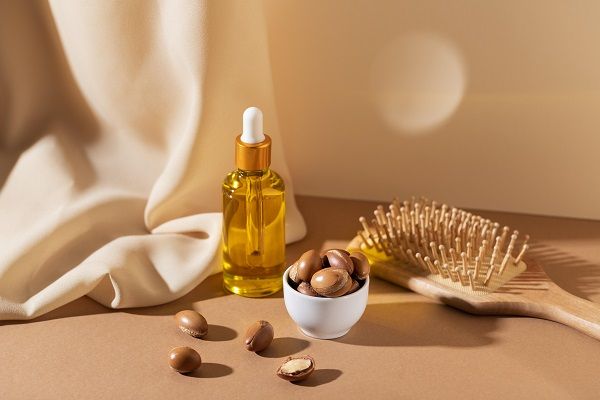
Choosing high-quality argan oil is essential to reap its full benefits for your hair. Here’s a guide to help you identify and select the best argan oil:
1. Look for 100% pure argan oil
- Ingredients list: The label should list Argania Spinosa Kernel Oil as the only ingredient.
- Avoid additives: Steer clear of oils with fillers, fragrances, or synthetic preservatives, as these dilute the benefits.
2. Opt for cold-pressed oil
- Why? Cold pressing retains the oil’s nutrients, ensuring maximum effectiveness.
- Tip: Look for oils labeled as “cold-pressed” or “virgin.”
3. Check the packaging
- Dark glass bottles: High-quality argan oil is sensitive to light and air, so it should be stored in dark amber or cobalt blue glass bottles to protect it from oxidation.
- Avoid plastic: Plastic packaging may degrade the oil over time.
4. Texture and scent
- Texture: True argan oil should feel lightweight and non-greasy.
- Scent: Pure argan oil has a slight nutty aroma. If the oil is odorless, overly perfumed, or has a rancid smell, it may be overprocessed or of poor quality.
5. Color
- Light golden hue: High-quality cosmetic-grade argan oil is a light golden color.
- Too pale or dark: Pale oil may be overly refined, while dark oil could be for culinary use and not suitable for hair or skin.
6. Price point
- Why It matters: Genuine argan oil is labor-intensive to produce, so it tends to be pricier. Extremely cheap options may be diluted or counterfeit.
- Average price: Expect to pay $10-$30 for 2-4 oz (60-120 ml) of pure argan oil.
7. Country of origin
- Morocco: Argan oil originates from Morocco. Ensure the label specifies this.
- Fair trade certified: This ensures the oil is ethically sourced and supports local Moroccan communities.
8. Certifications to Look for
- Organic certification: Look for certifications like USDA Organic, ECOCERT, or COSMOS.
- Cruelty-free: Ensure the oil wasn’t tested on animals, especially if you prefer vegan-friendly products.
9. Reviews and brand reputation
- Research brands: Stick to reputable brands with positive reviews.
- Red flags: Avoid brands with inconsistent reviews, overly cheap pricing, or lack of transparency about sourcing.
10. Where to buy
- Trusted retailers: Buy from reputable stores, pharmacies, or directly from well-known brands.
- Avoid generic marketplaces: Be cautious when buying from platforms with third-party sellers where authenticity can’t be guaranteed.
Popular high-quality argan oil brands (as of 2023)
- Josie Maran: 100% pure, organic, and sustainably sourced.
- Pura D’Or: Affordable, cold-pressed, and organic.
- The Ordinary: Pure and minimalistic formulation.
- SheaMoisture 100% Pure Argan Oil: Ethically traded and cruelty-free.
- Kahina Giving Beauty: Fair-trade, organic, and high-quality.
Red flags to watch out for
- Cloudy or sediment-laden oil: Indicates poor filtering or contamination.
- Artificial fragrance: May suggest synthetic additives.
- Overly watery consistency: A sign of dilution.
Tips for best results
- Use the right amount: 1-2 drops for fine hair, 3-4 drops for thick hair.
- Warm the oil: Rub between palms for better absorption.
- Focus on ends: Apply to mid-lengths and ends; avoid roots unless treating the scalp.
- Apply on damp hair: Locks in moisture and reduces frizz.
- Incorporate regularly: Use daily for styling, weekly for deep conditioning.
- Combine with ingredients: Mix with aloe vera, honey, or essential oils for targeted treatments.
- Scalp massage: Improves blood flow and promotes growth.
- Overnight treatment: For intense hydration, leave it on overnight and rinse in the morning.
- Avoid overuse: Start small to prevent greasiness.
- Store properly: Keep in a cool, dark place to preserve quality.