

Many people wonder, “Does too much oil on your scalp cause hair loss?” This question arises from various myths circulated about hair care and scalp health. Excess oil on the scalp can often be misunderstood, leading to anxiety about potential hair loss. Understanding the relationship between oil production and hair health is crucial for effective hair care. For the record, you should know that your scalp needs oil to keep it protected and make hair production more efficient. Some naturally have an oily scalp (sebum) more than others, and those who naturally don’t should opt for moisturizing products to ensure that their scalp doesn’t go dry. So, you see, an oily scalp or the presence of sebum on the scalp in itself is not a problem. However, the problem arises when we have an excess of oil on our scalp.
In reality, the connection between scalp oil and hair loss is more complex than it seems. While excess oil can lead to clogged follicles, it does not directly cause hair loss. Instead, several factors contribute to hair thinning and shedding. In this article, we will explore the myths and facts surrounding the idea that oil on your scalp cause hair loss and provide insights to help you maintain healthy hair and scalp. In this article, we’d love to give clarity into the relationship between an oily scalp and baldness or hair loss. Although, if your hair loss is rooted, you should read our article on the subject.
What is sebum, and how does it contribute to baldness?
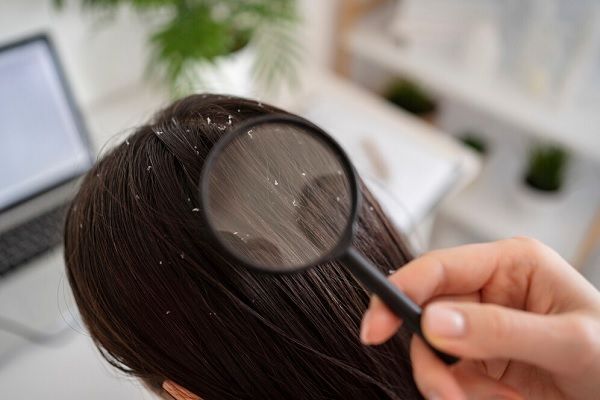
The sebaceous glands, which are located beneath the scalp, close to the hair roots, are responsible for the production of sebum. These tiny oil glands are responsible for lubricating and moisturizing our skin and hair. Sebum is that lubricating substance that they produce. The Sebum is subsequently released from these glands. When sebum leaves the sebaceous gland, it travels down to the hair follicle via the follicular hair duct. The sebum is pushed up and onto the skin’s surface by hair growth.
When it comes to sebum production, age, gender, sex, hormonal disorders, food, and other factors all play a role. Sebum production differs from person to person as well.
In both men and women, excessive sebum production can lead to itchiness, irritation, dandruff outbreak, and even more severe disorders if left untreated.
When sebum accumulates on the scalp, it forms what is called a build-up, usually by conjoining with other substances like dirt, sweat, dead cells, etc. This build-up creates a niche for microbial infestation. Severe cases can progress to a variety of skin irritations, bacterial and fungal development, e.g., dandruff, and even an infection. Folliculitis is a common infection associated with build-ups. It is also the most ferocious when it comes to baldness.
Folliculitis is simply an inflammation of the hair follicle caused by a fungal or bacterial infection. It is also exacerbated by a blockage of the hair pores, of which these build-ups play the primary role.
Where all these add up is in the fact that there is a direct correlation between blocked follicles, hair thinning, and hair loss. This inflamed follicle disrupts proper hair production, which leads to hair thinning and, if untreated, will eventually lead to baldness.
Do you see the connection now?
Factors that can affect sebum production level
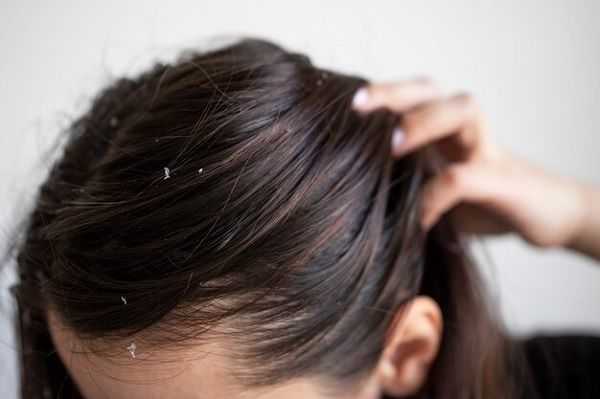
As stated in the introduction, some of us naturally produce more sebum than others, which is not a problem in itself. And, as should be clear by now, the issue is in how we deal with it. Let’s take a look at some of the factors that influence sebum production in our scalp. Knowing these characteristics will assist you in determining how to manage yours best.
Hair type
Sebum is affected by the texture of the skin:
- You’re more likely to have oily hair if your hair is fine or straight textured: Because there is so little hair to conceal the sebum, those with fine hair produce more of it. Also, due to the lack of waves or curls on ultra-straight hair, sebum can’t be kept close to the roots. The hair, therefore, becomes oilier in both circumstances because sebum is more easily transported along the hair’s length.
- Your hair will be oilier at the roots if you have curls, coils, or waves: Since sebum can’t go as quickly down the hair shaft due to the natural curl pattern, this can lead to an oily scalp and roots as well as more dry, prone-to-damage ends. In wavy and curly hair, the oil doesn’t spread throughout the strands quickly.
- If your hair is thick and packed, you will likely have a large number of follicles: Increased sebum production is frequently associated with an increase in the number of hair follicles. With a larger head of hair comes an increased risk of a greasy scalp.
Hormones
Hormonal imbalance is one of the most common causes of hair loss since it affects the hair development cycle. Many people may not know this, yet both men and women produce testosterone. It’s only that men’s levels are significantly higher. In our hair follicles, this testosterone is converted into DHT, which causes the glands to overproduce sebum.
DHT levels can change due to a variety of reasons, including stress, pregnancy, menopause, medicines, a high-fat, dairy, or processed-food diet, age, and certain medical diseases. When we have too much DHT in our system, our hair follicles become too tiny to support healthy hair. This causes male pattern baldness and thinning hair in women.
Skin conditions
With oily skin comes an abundance of sebum production, which means your hair will be more oily as well.
Heredity
Oily hair may be a genetic trait passed down from your parents; if they have oily hair themselves
Prevention
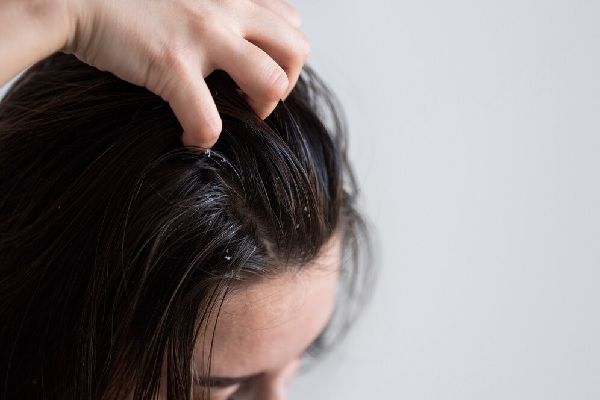
If you have an oily scalp or greasy hair, there’s no need to freak out! In fact, you can use oil against oil, sebum, and olive oil in this case. You’ve got it all wrong if you thought of olive oil as merely a cooking agent. You can use this oil to get rid of anything lurking beneath the surface of your scalp. Just apply a small amount of the product at night and wash it the next morning. This will remove tons of built-up debris and oil that may contribute to your hair’s thinning.
Hormones that induce excessive oil production can be balanced by drinking a lot of water, eating a nutritious diet, and lowering everyday stress.
Using a clarifying shampoo like once a week and shampooing every other day can also help. Conditioners and gentle sulfate-free shampoo are recommended for frequent use if necessary.
Using a scalp treatment can also help prevent an oily scalp. Using a scalp treatment, you may gently exfoliate, revitalize, and wipe away debris from your hair and hairline. Our scalps, like our skin, benefit from regular exfoliation.
Take away
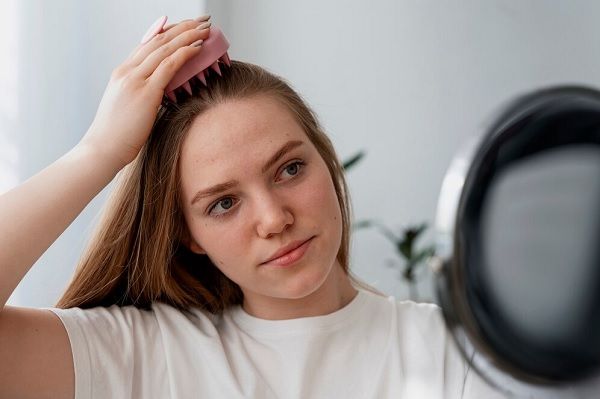
Reversing hair loss caused by sebum can be accomplished in a variety of ways; the key is first to identify the cause of your own hair loss. This will help you decide what treatment option will work best for you.
We hope that our information about oily scalps and hair loss prevention has been helpful to you.
Frequently asked questions
Does oil on your scalp cause hair loss?
This is a common concern among individuals dealing with oily scalps. While excess oil can lead to clogged hair follicles, it is important to clarify that oil itself is not a direct cause of hair loss. Oil, or sebum, is produced naturally by the sebaceous glands in the scalp and serves to lubricate and protect both the hair and the skin.
However, when there is an overproduction of oil, it can create an environment that is conducive to other issues, such as follicle blockage and inflammation. These conditions can contribute to hair thinning or loss over time. Therefore, maintaining a balanced scalp environment is crucial. Regular cleansing can help manage excess oil without stripping the scalp of its necessary moisture.
Can oily hair lead to dandruff?
Yes, oily hair can indeed contribute to the development of dandruff. Dandruff is often associated with a yeast-like fungus known as Malassezia, which thrives in oily environments. When the scalp produces excessive sebum, it can lead to an overgrowth of this fungus, resulting in irritation, inflammation, and the shedding of skin cells—commonly known as dandruff.
Additionally, an oily scalp can lead to poor hygiene, which can exacerbate dandruff symptoms. To combat this, it’s advisable to use anti-dandruff shampoos that contain ingredients like zinc pyrithione, ketoconazole, or salicylic acid to help regulate oil production and reduce flakiness.
How often should I wash my oily scalp?
The frequency of washing your hair largely depends on your hair type and lifestyle. For those with oily scalps, washing hair every 2-3 days is generally recommended. This routine helps to manage oil levels without over-drying the scalp. Over-washing can strip away natural oils, which may trigger the sebaceous glands to produce even more oil, leading to a vicious cycle.
On the other hand, if you have a more active lifestyle or sweat frequently, you may find it beneficial to wash your hair daily to keep oil and sweat at bay. It’s essential to choose a gentle shampoo that effectively cleanses the scalp without being overly harsh.
Do certain oils promote hair growth?
Yes, certain oils are known for their beneficial properties that may promote hair growth and improve overall scalp health. Castor oil, for instance, is rich in ricinoleic acid and omega-6 fatty acids, which can stimulate blood circulation to the scalp and promote hair growth. Similarly, rosemary oil has been shown in some studies to improve circulation and potentially increase hair density.
Other oils, like peppermint and lavender, also have properties that may help in soothing the scalp and promoting healthier hair growth. When using oils for hair growth, it’s best to dilute them with a carrier oil and perform a patch test to ensure there is no allergic reaction.
Is it good to apply oil to a dry scalp?
Applying oil to a dry scalp can be beneficial for several reasons. Oils can help to moisturize and nourish the scalp, which is particularly important for individuals who experience dryness and flakiness. Essential oils such as tea tree oil, coconut oil, and jojoba oil have moisturizing properties that can alleviate dryness and restore the scalp’s natural barrier.
Additionally, oils can provide relief from itching and irritation associated with a dry scalp. However, it is crucial to choose the right type of oil and apply it in moderation. Over-application can lead to greasiness and may attract dirt and buildup, so a small amount applied directly to the scalp and massaged in can work wonders without causing additional issues.