

One of the most noticeable things in the cosmetic industry is that the number of people opting for a hair transplant is increasing by the day. Unsurprisingly, the surgery has helped many people regain their hair and self-esteem, so it’s only logical for more people suffering hair loss to go for it. Plus, it’s one-off and permanent, such that they don’t have to repeat the process successively. However, after this surgery, many are confused, and they tend to ask so many questions about the dos and don’ts.
Some of these questions border around whether they can dye their hair and, if they can, what hair dye will be the best. If you’re one of these people who want answers to these questions, you are at the best place to find out. Firstly, this article will evaluate the relationship between hair transplant and hair dye and explain the ideal time to dye the hair after a hair transplant. After these, it will suggest the best dye to use after the hair transplant. So please keep scrolling through to find out all of these. And, since we are talking about hair dyeing, perhaps you are also interested in knowing if it is beneficial to dye your hair with Nutella.
Hair transplant surgery and hair dye
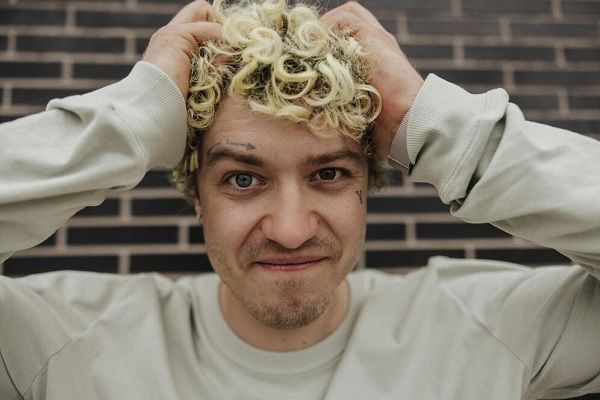
There are many people who are accustomed to hair dying before hair loss took a harsh toll on their hair. There are other people have noticed grayness in their hair before the surgery. No matter the category you fall into, it’s important you know that a hair transplant doesn’t stop you from dying your hair if and only if you do it at the right time.
When you have your hair transplant surgery, it’s natural for the incision wound on your scalp to remain open for a while. During this period, all you should be concerned about is keeping it neat, safe, and immune from infections. Failure to do this could allow these infections to counteract your hair growth and render your hair transplant surgery futile.
Also, if you already have gray hair before the hair transplant and notice that the growing hair is showing signs of grayness, you may need to dye it to the color of your mane. This is essentially the relationship hair dyes have with hair transplants. They make hair transplant results perfect for individuals who have gray hairs. Hair dyes also allow people who have regained their hair and confidence to show it off by coloring it if they want to.
When is the best time to dye the hair after hair transplant?

The incision wounds from hair transplant surgery are usually fresh and open for the first two weeks. During this period, the scalp is at its most sensitive state, such that it can be susceptible to infections if it’s not well-cared for. So it would help if you waited for your body’s natural healing process to take its full course before practicing any aggressive or intense practices that would cause more harm than good.
So the best time to dye your hair after a hair transplant is when the scalp at the donor site and the implantation site are fully healed. While this healing may take longer in different people, you have to wait for as long as yours does before dying your hair. So the perfect time frame to dye your hair after hair transplant surgery is between 6 to eight weeks.
You can decide to wait longer for the hair to be firmly rooted into your scalp. But if you can’t, make sure the dying is done by a professional hairstylist who will understand the best approach to explore once you tell them you’ve recently had a hair transplant. No matter how skillful you may be, you can’t do the hair the way a professional will, so please leave it to them.
What is the best hair dye after hair transplant?
Ideally, the best hair dye to use after a hair transplant is one that doesn’t contain chemical ingredients. But as there are different hair manufacturers with products in the market, it’s almost impossible to find a hair dye without chemical compositions. So what should you do if you must dye your hair?
The way out is to not settle for the hair dye filled with chemical compositions. Instead, you can opt for a dye without p-phenylenediamine, alcohol, ammonia, and many other agents that’ll open up your cuticles and allow bad chemicals that can hinder hair growth and cause hair infections to go in. This type of dyes, instead of these agents mentioned above, are made of gentle plant-based formulas that wouldn’t cause itchiness or any damage to your cuticles and, by extension, your hair.
How often should you dye your hair after hair transplant?
After your transplanted hair is fully grown and you’ve dyed your hair 2 months after, you have to be careful about how often you should dye the hair. In the ideal sense, you have to wait a whole month after you’ve washed off the initial dye before going for another dye. This way, you reduce the effect of the dye on the strength and quality of your strands. This also applies to those with gray hairs because even if you’re always tempted to hide that grayness, you shouldn’t succumb to that temptation because it has far greater implications on your hair health. So leave enough time in between the hair-dying sessions.
What hair dye color is the best after hair transplant?
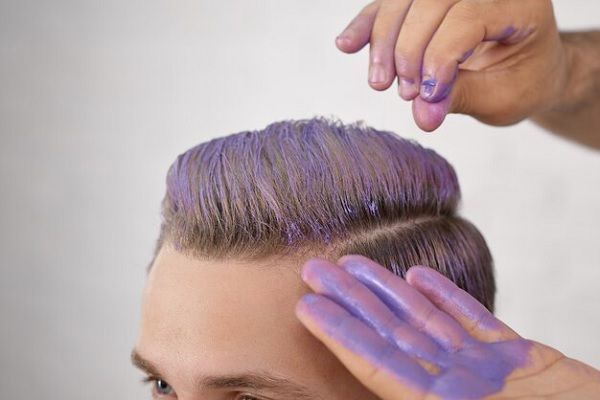
You should know that there are no best colors as far as hair dying is concerned. There are only preferred colors. So, whatever hair color that suits your preference can always work. However, we always advise that you use colors that accentuate your natural hair color and give you the necessary shine afterward.
Whatever decision you make after your hair transplant, ensure you get the consent and approval of your hair transplant doctor. Don’t take any random decision that’ll put all efforts and resources to restore your hair to waste.
Frequently asked questions
What should I consider before dyeing my hair after a transplant?
Before applying any hair dye, consider the timing. Usually, it’s best to wait at least four to six weeks post-transplant. This allows your scalp to heal adequately. Additionally, consult your doctor to ensure it’s safe to dye your hair. Your hair follicles are delicate during this period, and using harsh chemicals can lead to irritation or damage. Choose a dye that is ammonia-free and formulated for sensitive skin to minimize risks.
Is it safe to use hair dye on transplanted hair?
Yes, it can be safe to use hair dye on transplanted hair, but caution is necessary. The Best hair dye options after a hair transplant should be gentle and non-irritating. Many dermatologists recommend using semi-permanent or natural dyes, as they typically contain fewer harsh chemicals. Always perform a patch test before applying the dye to your entire head, ensuring that your scalp does not react negatively to the product.
What types of hair dye are recommended for post-transplant care?
For the best results, consider natural or organic hair dyes. These dyes often contain fewer synthetic chemicals, which can be harsh on your scalp. Semi-permanent dyes are also a great option, as they are less damaging than permanent dyes. Look for brands that specifically state they are safe for sensitive skin. Always check the ingredient list to avoid any substances that may irritate your scalp.
How can I ensure the color lasts after dyeing my hair?
To maintain vibrant color after dyeing, use sulfate-free shampoos and conditioners. These products are gentler on your hair and help retain color longer. Additionally, avoid washing your hair for at least 72 hours post-dyeing to allow the color to set. Protect your hair from excessive sun exposure and heat styling, as these can fade the color more quickly. Regular deep conditioning treatments will also keep your hair healthy and vibrant.
When can I start dyeing my hair again after the first application?
After your initial dyeing, it’s generally recommended to wait at least six to eight weeks before applying color again. This waiting period allows your scalp to recover fully from the dyeing process and ensures that your hair remains healthy. If you experience any irritation or unusual reactions, consult with your healthcare provider before proceeding with additional applications.
Can I use hair dye on newly transplanted hair?
Using hair dye on newly transplanted hair is a delicate matter. It’s advisable to wait until your scalp is fully healed, usually around four to six weeks. After this period, you can consider dyeing your hair, but always choose the Best hair dye options after a hair transplant. Gentle, ammonia-free dyes are often recommended to avoid irritating the sensitive scalp. Always consult your doctor for personalized advice.
What are the signs of a bad reaction to hair dye?
Signs of a bad reaction to hair dye can include redness, itching, or burning sensations on the scalp. If you experience these symptoms, rinse the dye out immediately and seek medical advice. In some cases, allergic reactions may occur, leading to more severe symptoms like swelling or hives. Always perform a patch test before applying any dye to your scalp, especially after a hair transplant.
How can I protect my scalp during the dyeing process?
To protect your scalp during the dyeing process, apply a barrier cream or oil along your hairline. This helps prevent the dye from touching the sensitive skin. Additionally, ensure that the dye is applied gently, avoiding any aggressive scrubbing or rubbing. After dyeing, rinse your hair with cool water to minimize irritation. Always follow the instructions provided with the dye for optimal results.
Are there any specific brands recommended for post-transplant dyeing?
While many brands offer suitable options, look for those that are specifically designed for sensitive skin or labeled as organic. Some popular brands include Naturtint, Herbatint, and Logona. These products tend to be gentler on the scalp and hair, making them ideal for those who have undergone a hair transplant. Always read reviews and consult with your dermatologist for personalized recommendations.