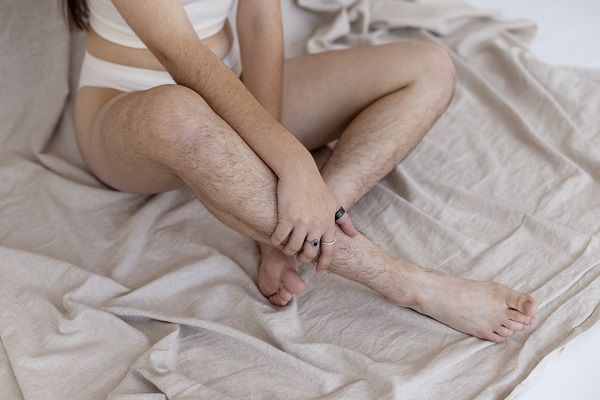
Hormonal hirsutism is a condition characterized by excessive hair growth in women in areas typically associated with male hair patterns, such as the face, chest, and back. This condition can be distressing and often affects self-esteem and body image. Understanding hormonal hirsutism is crucial for those seeking to manage their symptoms effectively. It is essential to explore the various causes and treatment options available to regain confidence and improve quality of life. For more insights into hair-related conditions, you can also check out information on Uncombable Hair Syndrome.
The underlying causes of hormonal hirsutism often stem from hormonal imbalances, particularly involving androgens. Conditions such as polycystic ovary syndrome (PCOS) and adrenal gland disorders can lead to elevated levels of these hormones, resulting in unwanted hair growth. Treatment options vary and can include lifestyle changes, medications, and cosmetic procedures that target this condition. This comprehensive guide will help you understand hormonal hirsutism better.
Triggers of excess body hair

After puberty, androgens—sex hormones—help males grow their reproductive organs and secondary sexual characteristics. Testosterone is among the most typical androgens. Even though androgens are found in female and male bodies, clinicians often refer to them as male hormones.
After puberty, hair grows in the pubic region and beneath the arms of both sexes. They also encourage the development of facial hair, like the beard and mustache, in addition to other body hair in men. People considered female at birth may create several more androgens and develop excessive amounts of hair due to various medical issues.
Polycystic Ovary Syndrome (PCOS)
Polycystic ovarian syndrome (PCOS) is a hormonal condition that causes the body to create too many androgens. It is the most frequent reason for excessive body hair in individuals born with a gender preference for women. Over 70% of hirsutism occurrences can be attributed to the disorder. Doctors do not entirely understand the triggers of PCOS. However, a person can use birth control tablets or other hormonal therapy to regulate the symptoms.
Congenital adrenal hyperplasia
An uncommon category of conditions known as congenital adrenal hyperplasia damage the adrenal glands and can result in severe symptoms. The female body will produce excessive androgens whenever the adrenal glands are not functioning properly. Numerous symptoms, including increased hair growth, might result from this. There is medical screening for diseases that result in adrenal hyperplasia. However, it could take till puberty to diagnose minor cases.
Tumors
0.3% of hirsutism occurrences, according to the American Academy of Family Physicians, are caused by tumors that secrete androgens. In some situations, the body hair emerges quickly and may be accompanied by additional symptoms, including a lump in the pelvis or stomach.
Medications
Some drugs have the potential to increase hair growth. After starting a new prescription medication, a person should notify their doctor if they see unusual hair growth. Among the medicines having hirsutism connections are:
- Certain antipsychotic medications
- Glucocorticosteroids
- Specific anti-seizure drugs
- Some immunosuppressive drugs
- Hormone treatments like testosterone as well as certain medications that change the synthesis of hormones
Hyperprolactinemia
The condition known as hyperprolactinemia makes the body create excessive amounts of the prolactin hormone. When a person is nursing, prolactin is mainly responsible for generating breast milk. Regardless of whether they are breastfeeding, people with this disease may lactate.
Some individuals with hyperprolactinemia might not get pregnant or have periods. Additionally, hirsutism may result from the condition.
Thyroid Conditions
The thyroid creates hormones that assist in controlling body temperature and metabolism. Hypothyroidism and hyperthyroidism are the two most prevalent thyroid conditions. In rare instances, a thyroid disorder may result in a hormonal imbalance that promotes excessive body hair growth.
Other Triggers
Sometimes there is no obvious cause for hirsutism, and doctors are unable to identify any obvious signs of an underlying illness. Idiopathic hirsutism is the term used by doctors to describe hirsutism that has no apparent cause.
When a clinician can rule out all known, potential underlying reasons, they will often make an exclusionary diagnosis. Approximately 10% of all hirsutism instances and 50% of mild instances of excessive hair development are caused by idiopathic hirsutism.
Genetics may play a role when there is no established cause for hirsutism. These types of hair growth are more common in people of Mediterranean and East Indian descent who were assigned the gender of femininity at birth.
Detection of hirsutism
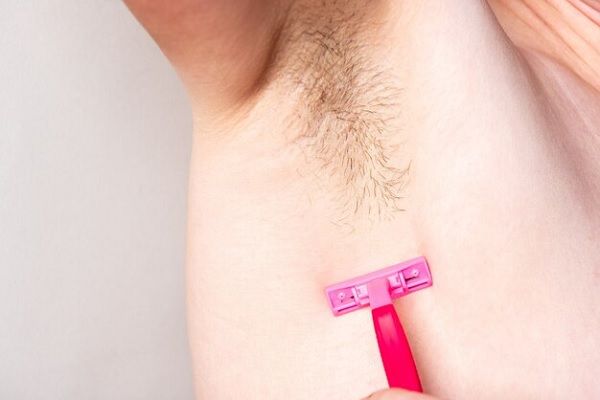
A doctor usually diagnoses hirsutism by ruling out other reasons for excessive hair development besides the Ferriman-Gallwey scale. A doctor must determine the cause of an initial examination that indicates that a patient has unnaturally high hair growth. Testing might involve:
- Full physical examination
- Inquiries on the patient’s beginning of symptoms, family background of comparable Symptoms, and any drugs they could be consuming
- Blood tests to determine androgen and hormone levels
- Collection of a person’s menstruation history and period tracking
- Imaging scans to look for growths and cancers.
- Examining the pelvis to check for malignancies or symptoms of androgenization
Options for natural therapies
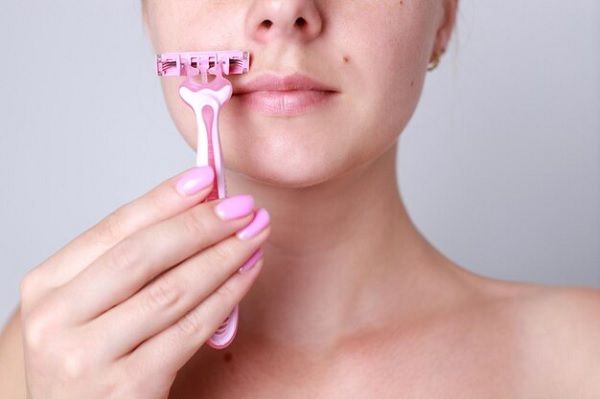
Experts can treat unwanted hair growth caused by PCOS naturally. These include:
- Changes in diet: Reducing sugar and carbohydrate intake may benefit those with insulin resistance born with the gender assigned to them. Some people experiment with specific PCOS diets. The effectiveness of these diets, however, has not received much research.
- Managing one’s weight: Keeping your weight in a healthy range can help you manage several PCOS symptoms. The ideal diet and fitness regimen may be crucial for many people born with the gender assigned to them.
- Aid for mental health: A complex condition called PCOS can affect a person’s fertility, health, and physical attractiveness. Support clubs, therapy, and encouraging self-talk are helpful for most people.
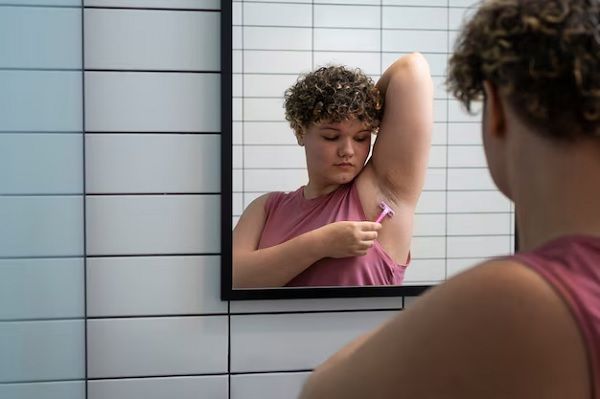
- Hair removal methods: Shaving or employing hair removal lotions are two methods of hair removal that can be efficient. However, these techniques won’t address the fundamental cause of excess hair growth.
Other medications can decrease the hormones that promote hair growth. You might not begin to notice the effects of these medications for at least six months. This is due to the long cycles that hair goes through as it grows, rests, sheds, and grows back. Additionally, not every hair is in the same phase at the same moment.
Individuals should discuss medical care with their doctors if they lack a diagnosis or have an inherent medical issue.
Frequently asked questions
What are the common causes of hormonal hirsutism?
Hormonal hirsutism can arise from several underlying medical conditions. One of the most prevalent causes is polycystic ovary syndrome (PCOS), which affects hormone levels in women. PCOS can lead to an overproduction of androgens, causing increased hair growth. Other hormonal imbalances, such as those associated with adrenal gland disorders, can also contribute to this condition. Certain medications, such as anabolic steroids or some hormone therapies, may further exacerbate hirsutism symptoms.
Additionally, genetic factors can play a significant role. Women with a family history of hirsutism may be more prone to developing this condition. Understanding the root causes of hormonal hirsutism is essential for determining appropriate treatment options and managing symptoms effectively.
How is hormonal hirsutism diagnosed?
Diagnosing hormonal hirsutism typically involves a comprehensive evaluation by a healthcare provider. The process usually begins with a detailed medical history, including information about menstrual cycles, family history, and any medications currently being taken. A physical examination may be conducted to assess the extent of hair growth and to identify any signs of underlying hormonal imbalances.
Blood tests are often necessary to measure hormone levels, particularly androgens such as testosterone and dehydroepiandrosterone sulfate (DHEAS). These tests help rule out other conditions that may mimic hirsutism, such as adrenal tumors or other endocrine disorders. In some cases, imaging studies like ultrasounds may be used to visualize the ovaries and identify any cysts associated with PCOS.
What are the available treatment options for hormonal hirsutism?
Treatment options for hormonal hirsutism vary depending on the severity of the condition and the underlying cause. Lifestyle changes can be beneficial, particularly in cases linked to weight gain or obesity. Maintaining a healthy diet and exercising regularly can help regulate hormone levels and reduce excess hair growth.
Medications are often prescribed to manage hormonal hirsutism. Anti-androgens, such as spironolactone, can block the effects of male hormones and reduce hair growth. Hormonal contraceptives, including birth control pills, are also effective in regulating menstrual cycles and lowering androgen levels. In some situations, topical treatments like eflornithine cream can slow hair growth on the face.
For those seeking immediate results, cosmetic procedures can provide temporary relief. Options like laser hair removal or electrolysis offer more permanent solutions by targeting hair follicles directly. However, multiple sessions may be required to achieve desired results. Consulting with a healthcare provider can help determine the most appropriate treatment plan based on individual needs.
Can hormonal hirsutism affect fertility?
Hormonal hirsutism is often associated with conditions like polycystic ovary syndrome (PCOS), which can impact fertility. Women with PCOS may experience irregular menstrual cycles, making it more challenging to conceive. Elevated androgen levels can interfere with ovulation, leading to difficulty in achieving pregnancy.
However, it is essential to note that not all women with hirsutism will experience fertility issues. Many women with hormonal hirsutism go on to have successful pregnancies. If fertility is a concern, consulting with a healthcare provider can help explore potential treatments to regulate menstrual cycles and improve ovulation.
Are there any natural remedies for hormonal hirsutism?
While there is limited scientific evidence supporting natural remedies for hormonal hirsutism, some individuals find relief through lifestyle changes. Maintaining a balanced diet rich in fruits, vegetables, and whole grains can help regulate hormones. Certain supplements, such as spearmint tea, may have mild anti-androgen effects and can be incorporated into a daily routine.
However, it is crucial to approach natural remedies with caution. Not all options are effective, and some may interact with medications. Always consult with a healthcare provider before starting any natural treatments to ensure safety and efficacy.