

What is?
Biotin, also known as vitamin B7 or H, is a water-soluble vitamin that belongs to the B-complex family. It plays a crucial role in converting food into energy by aiding the metabolism of carbohydrates, fats, and proteins. It’s also essential for maintaining healthy skin, nails, and hair.
Key functions
- Keratin production: Biotin supports the production of keratin, the protein that forms the structural foundation of hair, skin, and nails.
- Metabolism support: It helps metabolize carbohydrates, fats, and proteins, which is vital for overall health.
- Cell growth: Biotin promotes the growth of healthy cells, including those in the scalp and hair follicles.
Sources of biotin
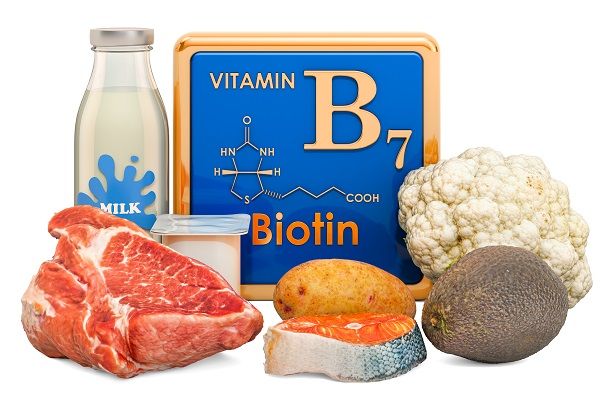
Biotin is naturally present in various foods and is also available as a supplement. Here are some key sources of biotin:
1. Natural food sources
Animal-based foods:
- Egg yolks: A rich source of biotin, but ensure they’re cooked to avoid avidin, a protein in raw egg whites that can block biotin absorption.
- Fish: Salmon and tuna are excellent sources of biotin and omega-3 fatty acids.
- Meats: Liver and kidney are particularly high in biotin.
Plant-based foods:
- Nuts and seeds: Almonds, walnuts, sunflower seeds, and peanuts contain biotin and other essential nutrients.
- Legumes: Lentils, chickpeas, and soybeans are good sources.
- Fruits: Bananas, avocados, and raspberries offer moderate amounts of biotin.
- Vegetables: Sweet potatoes, spinach, broccoli, and mushrooms are biotin-rich options.
Dairy products:
Milk and cheese, though not as biotin-rich as other sources, contribute smaller amounts to the diet.
2. Fortified foods
Some cereals and bread are fortified with biotin, making them accessible sources for people with dietary restrictions.
3. Supplements
Biotin supplements are widely available in forms like capsules, tablets, and gummies. They often come in dosages ranging from 2,500 to 10,000 micrograms, primarily marketed for hair, skin, and nail health.
Biotin content in common foods (approximate values per 100g)
- Beef liver: 27–35 micrograms
- Egg yolk: 13–25 micrograms
- Salmon: 4–5 micrograms
- Sweet potatoes: 2.5 micrograms
- Almonds: 1.5 micrograms
Tips for maximum absorption
- Cook food properly to release biotin from bound forms but avoid overcooking, which can destroy some of the vitamin.
- Combine biotin-rich foods with a balanced diet to support overall health.
For individuals with dietary restrictions or increased needs, supplementation under medical supervision can ensure adequate biotin intake.
How biotin helps prevent hair loss?
Biotin supports hair health primarily through its role in keratin production and scalp health. Here’s how biotin helps prevent hair loss:
1. Strengthens hair structure
Biotin aids in the synthesis of keratin, the protein that forms the structure of hair. Strong keratin production helps make hair more resistant to breakage and thinning.
2. Improves scalp health
By supporting healthy metabolism and cell function, biotin promotes an optimal environment for hair follicles, enhancing their ability to grow hair.
3. Addresses deficiency-related hair loss
Biotin deficiency, though rare, can lead to hair thinning and loss. Supplementing with biotin helps restore hair growth in individuals with a deficiency.
4. Supports elasticity and shine
Adequate biotin levels improve the texture and resilience of hair strands, reducing the likelihood of split ends and brittleness.
Who benefits most from biotin?
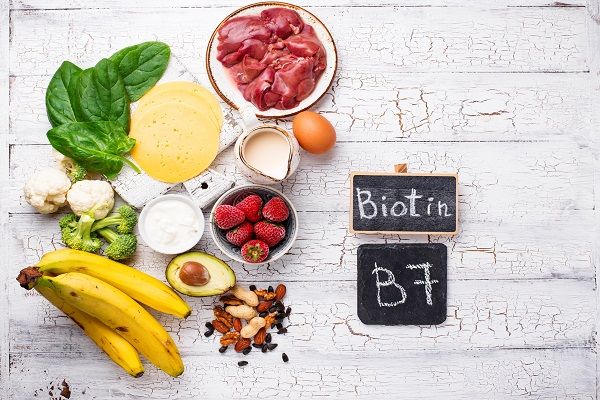
Biotin can be beneficial for various groups of people, especially those experiencing specific conditions or deficiencies. Here’s who benefits most from biotin:
1. People with biotin deficiency
- Symptoms of deficiency: Hair thinning, brittle nails, skin rashes, fatigue, and neurological issues.
- Causes: Poor diet, genetic disorders, pregnancy, excessive alcohol consumption, or prolonged antibiotic use.
2. Individuals experiencing hair thinning
Biotin supplementation can help restore hair strength and growth in cases where hair loss is linked to deficiency, stress, or nutritional imbalances.
3. Postpartum women
After pregnancy, many women experience temporary hair thinning due to hormonal changes. Biotin may support hair regrowth during this period.
4. People with brittle nails
Biotin is known to strengthen nails, making it ideal for those who experience frequent nail breakage or brittleness.
5. Aging population
As people age, hair and nails can become weaker. Biotin helps maintain their integrity, improving overall hair and nail health.
6. Those on certain medications
Long-term use of antibiotics or anti-seizure medications can deplete biotin levels, leading to symptoms like hair loss or skin issues.
7. Vegans or vegetarians
Since biotin-rich foods like eggs and fish are common in non-plant-based diets, those following strict vegan or vegetarian diets may benefit from supplementation.
Precautions
While biotin helps in deficiency-related conditions, it may not significantly impact hair loss or other issues caused by genetics, hormonal imbalances, or autoimmune conditions like alopecia.
For best results, consult a healthcare provider to assess if biotin is right for you, especially if symptoms like hair loss persist.
Precautions when using biotin
While biotin is generally safe and well-tolerated, there are some important considerations to keep in mind:
1. Risk of overdosing
- High Doses: Biotin is water-soluble, so excess amounts are excreted through urine. However, excessively high doses can still interfere with bodily functions or lab results.
- Daily Limits: The recommended dietary allowance (RDA) is not firmly established for biotin, but doses above 10,000 micrograms daily should be taken only under medical supervision.
2. Interference with lab tests
- High levels of biotin can interfere with medical tests, leading to inaccurate results, particularly for:
- Thyroid function tests
- Cardiac biomarker tests
- Hormonal assays
- It’s essential to inform your healthcare provider about biotin supplementation before any lab work.
3. Allergic reactions
Though rare, some people may experience an allergic reaction to biotin supplements, leading to skin rashes or digestive issues.
4. Limited efficacy
- Non-deficiency hair loss: Biotin only helps with hair loss caused by a deficiency. Conditions like androgenic alopecia or autoimmune diseases may not improve with biotin.
- Overuse for aesthetic benefits: Using biotin without confirmed deficiency may not produce significant improvements in hair, skin, or nails.
5. Interactions with medications
- Long-term use of certain medications (e.g., anticonvulsants) can reduce biotin absorption or increase its breakdown.
- Oral Antibiotics: Prolonged use may lower biotin levels by altering gut bacteria, which synthesize small amounts of biotin.
6. Digestive discomfort
Some users report mild side effects like nausea, cramping, or diarrhea when starting supplementation.
7. Pregnancy and breastfeeding
Biotin needs increase during pregnancy, but supplementation beyond prenatal vitamins should only be done with medical advice.
Tips to use biotin safely
- Follow the recommended dosage unless advised otherwise by a healthcare provider.
- Choose high-quality supplements with clear labeling.
- Pair biotin with a balanced diet to maximize its benefits and minimize unnecessary supplementation.
Always consult with a healthcare professional before starting or stopping biotin, particularly if you have underlying health conditions or are on medication.