

Undergoing a hair transplant can be a life-changing decision for those suffering from hair loss. However, one common concern that arises post-procedure is shock loss after hair transplant. This phenomenon refers to the temporary shedding of transplanted or existing hair in the weeks following the surgery. Understanding the causes and implications of shock loss is essential for anyone considering this procedure. If you want to learn more about hair loss and its various manifestations, including conditions like white roots, check out this link.
Shock loss can be a distressing experience, but it’s important to remember that it’s often a normal part of the healing process. Factors contributing to shock loss can include stress, trauma to the scalp, and the natural hair growth cycle. Proper knowledge of what to expect can help alleviate anxiety and set realistic expectations for recovery. This article delves into the causes of shock loss, prevention strategies, and what patients can anticipate during their recovery journey.
What factors contribute to shock hair loss?

Various factors can bring on the sudden loss of hair. The primary reason for this is that it develops due to the stress imposed on the scalp as a direct result of the surgical procedure. The resting phase of the follicular cycle does not begin until the patient has fully recovered.
The number of follicular cells extracted from a healthy scalp region and then transplanted to the donor area hair graft at the surgical site is another element that leads to the sudden loss of healthy hair that might be caused by hair transplant surgery. In addition, a high level of shock loss can be caused by follicles that are clumped together in an overly thick manner.
Hair regrowth following the sudden loss

The loss of hair that occurs as a result of hair transplant surgery is often only temporary, and the healing process can begin within the first two weeks following the procedure. Within this time frame, one should be able to observe at least 1 or 2 inches of hair sprouting in the recipient location, presuming that the hair transplant process proceeded without a hitch.
The regeneration process will proceed significantly more slowly for some people than others. However, in some instances, it can be rather challenging to determine how prolonged the shock loss will continue following the operation. This is because everyone’s hair develops at a different rate, and the thickness standards also vary from person to person.
Is the loss of hair due to shock permanent?

The majority of sudden hair loss instances are only temporary, and the normal hair that has been lost will regrow in a relatively short time. However, sudden hair loss may be permanent if it occurs in an area of the head where it is naturally predisposed to fall out due to late age and pattern baldness.
Is it possible to stop the sudden loss of hair?
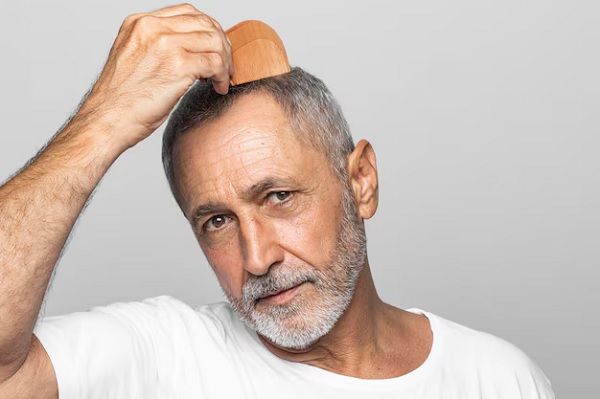
A transient shock loss of hair may occur during the treatment to facilitate the growth of new, healthy hair; however, this loss is only temporary. Even while it is impossible to avoid entirely, new hair will grow along with the hair implants even if you get them removed. Following the procedure, you will impact the donor and recipient sites, and in most instances, it will take several months for the hair to grow.
How can you stop your sudden hair loss and lower your risk?
There is currently no long-term treatment available to avoid shock loss either during or after the hair transplant. However, there aren’t many preventative techniques that can assist in slowing down the process or cutting down on the amount of native hair that is lost.
Because the mechanism behind shock hair loss is not fully understood, it is impossible to forecast and prevent the condition from occurring. There is some evidence that beginning Rogaine (Minoxidil) and Finasteride treatment one month before surgery and continuing it for one full year afterwards will reduce the amount of hair that falls out due to a shock loss, accelerating the healing process and regrowth of hair.
Hair supplements have conducted limited research on their products, showing that they promote faster healing and hair regeneration following surgical procedures. In addition to its benefits for regeneration and regrowth, low-level laser therapy (LLLT), commonly referred to as photobiomodulation, bears the acronym. In addition, anecdotal data lends support to all of these potential courses of action.
Selecting a reputable hospital staffed by highly trained and experienced medical professionals is the first step in mitigating the danger of suffering from shock loss. A professional in hair transplantation will be able to examine the scalp and provide insight into the possibility of sudden hair loss. The sudden loss of hair may be distressing and unwelcome, but with time, new hair will begin to grow in its place.
Before undergoing surgery, some patients find that consuming minoxidil or another medicine helps lessen the amount of hair loss they experience and reduces the number of shrunken hair follicles.
Taking care of the latest hair grafts
There is no way to avoid the shock hair loss that occurs after a hair transplant because it is a normal part of the process; however, there are measures you can take to take care of your new hair grafts so that they last as long as possible.
Keep your hands off: You should refrain from touching your hair transplants for at least six days after surgery, beginning immediately after the procedure.
Keep moisturized: You can use specialized sprays to guard your newly planted grafts and prevent them from drying out too quickly. After your operation, you will need to utilize them consistently, particularly in the initial few days following the procedure.
Always use a neck pillow: You should use a supporting neck cushion while you sleep with your grafts when they are very fresh. This will help lessen the chance of scratching your scalp on a pillow while you sleep.
Does hair transplant surgery cause shock hair loss in other areas?
There is a risk of more hair loss after a hair transplant if the donor area already has a high concentration of thinning hairs. But this happens rather frequently and will only be for a short while. The follicles are in good health; therefore, new hairs will emerge at some point in the future.
Frequently asked questions
What is shock loss after a hair transplant?
Shock loss is a temporary condition where existing hair falls out after a hair transplant. This can occur in the donor or recipient areas and is usually triggered by the trauma of the surgery. The hair follicles enter a resting phase, causing hair to shed. Although this can be alarming, it is generally a normal reaction, and most patients see regrowth within a few months.
How long does shock loss last?
The duration of shock loss can vary significantly from person to person. Typically, patients may experience shedding within two to four weeks post-surgery. The initial shock loss can last for several weeks to a few months. However, most individuals begin to notice new hair growth around three to four months after the procedure. It’s crucial to maintain regular check-ins with your surgeon during this period to monitor progress.
Is shock loss permanent?
No, shock loss is not permanent. It’s essential to understand that this condition is usually temporary. The hair follicles that experience shock loss often enter a resting phase but will eventually reactivate. Most patients can expect to see their hair regrow after several months. Nevertheless, individual results can vary, and some may require additional treatments to stimulate hair growth.
What causes shock loss after a hair transplant?
Several factors can contribute to shock loss after a hair transplant. The primary cause is the trauma to the scalp during the procedure. This trauma can disrupt the hair growth cycle, leading to a temporary shedding phase. Additionally, stress and hormonal changes can exacerbate the condition. Understanding these causes can help patients manage their expectations and adopt a positive outlook during recovery.
Can shock loss be prevented?
While it’s impossible to completely prevent shock loss, several strategies can help minimize its occurrence. Choosing a skilled and experienced surgeon is paramount, as technique and precision can greatly influence the outcome. Additionally, following post-operative care instructions diligently can promote healing. Staying relaxed and managing stress levels during recovery can also contribute positively to hair regrowth.
What can I expect during the recovery period?
During the recovery period, you may experience various stages of healing. Initially, there may be swelling, redness, or discomfort in the transplant area. Following this, shock loss may occur, which can be concerning. However, it’s crucial to stay patient, as new hair growth typically begins around the three to four-month mark. Regular follow-ups with your surgeon can help track progress and provide reassurance throughout the process.
Are there any treatments to help with shock loss?
While shock loss is generally temporary, some treatments may help stimulate hair growth and support recovery. Medications like minoxidil can promote hair regrowth and are often recommended by surgeons. Additionally, maintaining a healthy diet and lifestyle can enhance overall hair health. It’s always best to consult with your surgeon before starting any new treatment to ensure it aligns with your recovery plan.
Can stress contribute to shock loss?
Yes, stress can be a significant factor in the occurrence of shock loss after a hair transplant. The body’s response to stress can disrupt the natural hair growth cycle, leading to shedding. Managing stress through relaxation techniques, such as meditation or yoga, can be beneficial. It’s also important to create a supportive environment during the recovery phase to minimize stressors.
When should I contact my doctor about shock loss?
If you experience severe or prolonged shock loss, it’s essential to reach out to your doctor. While some shedding is expected, excessive loss or an unusual pattern of hair loss may indicate an underlying issue. Regular post-operative check-ups are crucial for monitoring your recovery and addressing any concerns. Your healthcare provider can offer guidance and support tailored to your individual situation.