

How long does it take for hair to fall out after chemotherapy?
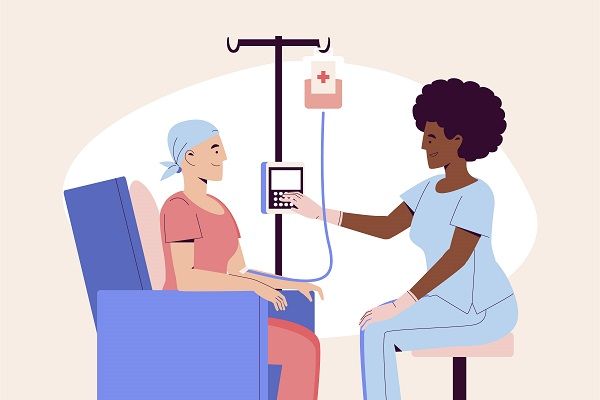
The timing of hair loss (alopecia) after chemotherapy can vary among individuals and depends on several factors, including the specific chemotherapy drugs used, the dosage, and the individual’s sensitivity to these drugs. In general, hair loss typically begins within two to four weeks after the start of chemotherapy. However, this can vary, and some people may experience hair loss sooner or later in the treatment process.
Here’s a general timeline for hair loss during chemotherapy:
Within the First Few Weeks:
Some individuals may notice hair thinning or shedding within the first few weeks of starting chemotherapy. This is often a precursor to more significant hair loss.
Around 2-4 Weeks:
The majority of people undergoing chemotherapy experience more noticeable hair loss approximately 2 to 4 weeks after the initiation of treatment. This is when significant shedding and the thinning of hair occur.
Continued Hair Loss:
Hair loss may continue gradually over the course of several weeks, and by the end of the first chemotherapy cycle, many individuals may have lost a significant amount of their hair.
It’s important to note that not all chemotherapy drugs cause hair loss, and the degree of hair loss can vary. Some individuals may only experience thinning of the hair, while others may lose their hair completely. The type of chemotherapy regimen, the specific drugs used, and the individual’s overall health can all influence the extent and timing of hair loss.
It’s crucial for individuals undergoing chemotherapy to discuss potential side effects, including hair loss, with their healthcare team. Support and coping strategies are often provided to help individuals manage the emotional and psychological impact of hair loss during cancer treatment. Additionally, it’s worth noting that in most cases, hair tends to regrow after the completion of chemotherapy, although the regrowth process may take several months.
How can I stop losing hair during chemo?
Hair loss during chemotherapy is a common side effect, and unfortunately, it is not always preventable. However, there are some strategies and interventions that may help minimize hair loss or support hair health during chemotherapy:
Cold Cap Therapy:
Some individuals undergoing chemotherapy use cold cap therapy (scalp cooling) during treatment sessions. Cold caps are worn on the head to reduce blood flow to the scalp, minimizing the amount of chemotherapy drugs that reach the hair follicles. This method is not suitable for all types of chemotherapy, and its effectiveness can vary.
Minoxidil (Rogaine):
Topical minoxidil (Rogaine) is an over-the-counter medication that may help promote hair regrowth. It is typically applied to the scalp, and while it may not prevent hair loss during chemotherapy, it might aid in regrowing hair after treatment.
Gentle Hair Care:
-
- Use a mild, moisturizing shampoo and conditioner.
- Wash your hair less frequently to avoid excessive stress on the hair follicles.
- Use a wide-toothed comb to detangle hair gently.
Avoid Harsh Hair Treatments:
Refrain from using harsh chemical treatments, such as hair dyes, perms, and relaxers, during chemotherapy.
Scalp Care:
-
- Keep your scalp moisturized to minimize dryness and irritation.
- Protect your scalp from the sun by wearing a hat or using sunscreen.
Nutrition:
Maintain a well-balanced diet rich in nutrients, including protein, vitamins, and minerals, to support overall health, including hair health.
Discuss Options with Your Oncologist:
Talk to your oncologist about the possibility of using scalp cooling or other interventions to minimize hair loss based on your specific chemotherapy regimen.
It’s important to note that the effectiveness of these strategies can vary, and not all options may be suitable for everyone. Additionally, individual responses to chemotherapy can differ. Always consult with your healthcare team before making decisions about interventions during chemotherapy. They can provide personalized advice based on your specific treatment plan and health status. Coping with hair loss during chemotherapy can be emotionally challenging, and seeking support from healthcare professionals, support groups, or mental health professionals can be helpful.
Has anyone not lost their hair on chemo?
While hair loss is a common side effect of many chemotherapy treatments, there are instances where individuals do not experience significant hair loss, or their hair loss is minimal. The likelihood of hair loss during chemotherapy depends on various factors, including the specific chemotherapy drugs used, the dosage, the individual’s sensitivity to the drugs, and the type of cancer being treated.
Some factors that may contribute to less hair loss during chemotherapy include:
Chemotherapy Drug Selection:
Not all chemotherapy drugs cause hair loss. Some drugs are less likely to result in significant hair loss or may cause only mild thinning.
Chemotherapy Dosage:
Lower dosages of chemotherapy drugs may be associated with less severe hair loss. In some cases, oncologists may adjust the dosage based on the individual’s health and response to treatment.
Individual Variation:
People’s responses to chemotherapy can vary widely. Some individuals may have a genetic predisposition or other factors that make them less susceptible to hair loss.
Use of Scalp Cooling:
Scalp cooling, also known as cold cap therapy, is a method used to reduce blood flow to the scalp during chemotherapy, potentially minimizing the impact of chemotherapy drugs on hair follicles. This approach is not universally effective for all chemotherapy regimens.
It’s important to note that even if someone does not experience hair loss during the initial phases of chemotherapy, they may still notice changes in hair texture or color. Additionally, hair loss can occur with subsequent cycles of chemotherapy or with different treatments.
Each person’s experience with chemotherapy is unique, and the best approach is to discuss the potential for hair loss with the oncologist before starting treatment. The oncologist can provide information on the expected side effects based on the specific chemotherapy drugs and dosages prescribed for the individual’s cancer treatment plan.
FAQ
Will I definitely lose my hair during chemotherapy?
Hair loss is a common side effect of many chemotherapy treatments, but not everyone will lose their hair. The likelihood and extent of hair loss depend on factors such as the specific chemotherapy drugs used, dosage, and individual sensitivity.
When does hair loss typically occur during chemotherapy?
Hair loss usually begins within two to four weeks after starting chemotherapy. However, the timing can vary among individuals and depends on the specific drugs used in the treatment.
Is there a way to prevent hair loss during chemotherapy?
While it’s challenging to completely prevent hair loss during chemotherapy, some individuals explore scalp cooling (cold cap therapy) to reduce blood flow to the scalp. This method may help minimize hair loss, but its effectiveness varies.
Will my hair grow back after chemotherapy?
In most cases, hair lost due to chemotherapy is temporary, and hair typically begins to regrow after the completion of treatment. However, the regrowth process may take several months, and the texture or color of the hair may differ temporarily.
Can I use hair care products during chemotherapy?
It’s recommended to use gentle, mild hair care products during chemotherapy. A moisturizing shampoo and conditioner can help maintain the health of the remaining hair.
Are there medications that can help with hair regrowth after chemotherapy?
Topical minoxidil (Rogaine) is an over-the-counter medication that some individuals use to promote hair regrowth after chemotherapy. It may not prevent hair loss during treatment but may aid in regrowth afterward.
Can I color or perm my hair during chemotherapy?
It’s generally advisable to avoid harsh chemical treatments, such as hair coloring, perming, or relaxing, during chemotherapy. The scalp can be more sensitive during this time.
Will my eyelashes and eyebrows also fall out during chemotherapy?
Yes, chemotherapy can cause the loss of eyelashes and eyebrows, along with other body hair. The extent of hair loss can vary among individuals.
How can I cope with the emotional impact of hair loss?
Coping with hair loss can be emotionally challenging. Seek support from healthcare professionals, support groups, or mental health professionals. Wearing head coverings or wigs and involving loved ones in the process can also be helpful.