

It’s certainly no secret that some of the best summer activities take place outdoors. We can have a wonderful picnic in the woods, swim in pools and natural water bodies, go hiking and do an array of fun activities.
Sunscreen becomes a vital product for everyone in the summertime, as the summer sun is usually more intense than other seasons. The effects of sunburn on your face or body make this product very important. However, because you’ll often not experience the painful effects of heat damage to your hair and scalp, you may neglect sunscreen for the hair. These are hair cause products that protect the hair from UV rays.
Now, the summer is over, and you’re paying more attention to your hair. You notice split ends, limp tresses, dryness, and an overall lack of luster. These are all signs of hair damage, and since the summer just ended, we know the cause.
In this blog post, we’ll explore nine ways to revitalize your hair after the summer. Don’t go anywhere!
Here are nine reliable ways you can revitalize your hair after summertime:
1- Deep moisturizing masks
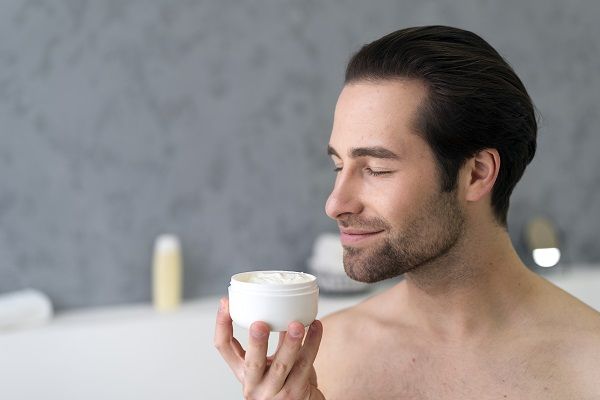
Deep moisturizing masks are essential for revitalizing your hair, especially after exposure to harsh summer elements like sun, chlorine, and saltwater. Here’s why and how to use them effectively:
Why use deep moisturizing masks?
- Hydration restoration: Prolonged sun exposure, heat, and swimming can strip your hair of its natural moisture, leaving it dry and brittle. Masks infused with nourishing oils like coconut, argan, and avocado deeply hydrate the hair shaft.
- Damage repair: Ingredients like shea butter, aloe vera, and keratin repair damage by smoothing the hair cuticle and restoring elasticity, making your hair softer and more manageable.
- Shine revival: Deep conditioning masks add shine and luster back to your hair, combating the dullness that often comes from sun and heat exposure.
How to use deep moisturizing masks
- Choose the right mask: Look for a mask that contains natural oils, proteins, and vitamins (e.g., coconut oil, argan oil, keratin, or panthenol). Avoid masks with harsh chemicals or sulfates, as they can further dry out your hair.
- Apply on clean hair: After shampooing, gently squeeze out excess water from your hair. Apply the mask evenly, focusing on the mid-lengths and ends, which tend to be the most damaged.
- Leave it on for 10-20 minutes: For best results, leave the mask on for at least 10 minutes (or longer if your hair is extremely dry). This allows the nourishing ingredients to penetrate deeply.
- Rinse thoroughly: Rinse out the mask with cool water to seal the cuticle and lock in moisture. Cool water also helps add extra shine to your hair.
- Frequency: Use a deep moisturizing mask 1-2 times a week, depending on how dry or damaged your hair is.
By incorporating deep moisturizing masks into your haircare routine, you’ll restore hydration, repair damage, and bring back the shine and softness that may have been lost over the summer.
2- Get a fresh trim

One of the most effective ways to rejuvenate your hair after the summer is by getting a fresh trim. Here’s why it’s beneficial and how it helps your hair recover:
Why you need a trim after summer
- Remove split ends: Sun exposure, chlorine, and saltwater can weaken the ends of your hair, leading to split ends and breakage. A trim helps to remove these damaged ends, preventing further splitting up the hair shaft.
- Promote healthy growth: Cutting off damaged ends gives your hair a healthier foundation, which can promote better hair growth. Even trimming as little as half an inch can make a noticeable difference in how your hair looks and feels.
- Refresh your style: Summer can leave your hair looking a bit unruly or shapeless. A fresh trim reshapes your hair and revives your style, making it look more polished and put together.
- Increase volume and bounce: Damaged hair tends to lie flat and lose its natural movement. Trimming the ends adds back bounce, volume, and a healthy appearance.
- Tackle dryness: The ends of your hair are typically the driest part. By getting rid of dry, brittle tips, you help your hair retain more moisture, giving it a smoother, shinier texture.
How to maximize your trim
- Ask for a dusting: If you’re looking to retain length, ask your stylist for a “dusting” – a very slight trim that only removes the damaged tips, keeping most of your length intact.
- Consider layers: Adding soft layers can help frame your face and give more volume and movement to your post-summer hair.
- Maintain regular trims: To keep your hair healthy year-round, schedule trims every 6-8 weeks to prevent split ends from returning.
A fresh trim is a simple yet powerful way to refresh your hair after the summer, ensuring it looks healthier, fuller, and more vibrant.
3- Use a clarifying shampoo
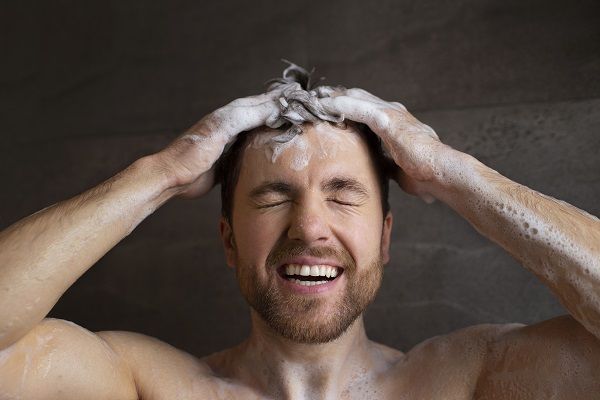
After months of sun exposure, saltwater, and pool chemicals, your hair can accumulate a lot of buildup from products, oils, and environmental factors. Using a clarifying shampoo is a great way to reset your hair. Here’s why and how it can help:
Why clarifying shampoo is essential post-summer
- Remove product buildup: Sunscreens, hair sprays, leave-in conditioners, and styling products can build up on your hair over time, weighing it down and making it look dull. Clarifying shampoos are designed to deeply cleanse your hair and remove this buildup, leaving it feeling refreshed.
- Cleanse chlorine and saltwater residue: If you’ve spent time in pools or the ocean, your hair may have absorbed chlorine and salt, which can dry it out and affect its texture. A clarifying shampoo helps to remove these harsh elements, preventing long-term damage.
- Restore shine and volume: Over time, impurities can make your hair look flat and lifeless. A good clarifying shampoo lifts away dirt and oil, bringing back your hair’s natural shine and bounce.
- Prepare for deep conditioning: By stripping away excess oils and buildup, clarifying shampoos allow your hair to better absorb moisture from deep conditioners and treatments, making them more effective.
How to use clarifying shampoo
- Use sparingly: Clarifying shampoos are more powerful than regular shampoos and can strip your hair of natural oils if used too often. Aim to use it once every 1-2 weeks, or as needed.
- Follow with conditioner: After using a clarifying shampoo, your hair may feel a bit dry. Always follow up with a deep conditioner or hydrating treatment to restore moisture.
- Choose the right product: Look for a sulfate-free clarifying shampoo if you have color-treated or very dry hair to avoid additional damage.
Incorporating a clarifying shampoo into your post-summer hair care routine is a great way to detox your hair, leaving it lighter, cleaner, and ready for healthier growth.
4- Incorporate hydrating leave-in products
Post-summer, your hair often needs extra hydration and protection from the effects of sun, saltwater, and chlorine. One of the best ways to restore moisture and improve hair manageability is by using hydrating leave-in products. Here’s why and how they can help rejuvenate your hair:
Why hydrating leave-in products are essential post-summer
- Long-lasting moisture: Leave-in conditioners and creams provide continuous hydration throughout the day, helping to combat the dryness caused by sun exposure, heat, and environmental factors.
- Heat protection: If you use styling tools like blow dryers or straighteners, leave-in products with thermal protection shield your hair from further damage, ensuring it stays strong and healthy.
- Frizz control: After summer, hair can often be frizzy and unmanageable due to humidity and dryness. Leave-in products help smooth the hair shaft, taming frizz and leaving your locks looking sleek and polished.
- Detangling power: Leave-ins make it easier to comb through hair without breakage. This is especially helpful for hair that has become dry and brittle from exposure to sun, saltwater, and chlorine.
- Split end prevention: Many leave-in conditioners are formulated to seal and protect the ends of your hair, preventing further breakage and minimizing split ends.
How to use hydrating leave-in products
- Apply to damp hair: For best results, apply your leave-in product to towel-dried hair after washing. This helps lock in moisture and makes the product more effective.
- Focus on the ends: Concentrate on the ends of your hair, as they tend to be the driest and most damaged part. Avoid applying too much product to the roots to prevent greasiness.
- Use daily or as needed: Depending on your hair type and condition, you can use leave-in products daily or whenever your hair feels dry or difficult to manage.
- Look for ingredients like:
- Aloe vera: Provides deep hydration and smoothness.
- Argan oil: Adds shine and moisture without weighing hair down.
- Coconut oil: Helps repair damaged hair and prevent split ends.
- Panthenol (vitamin B5): Strengthens hair and improves elasticity.
Incorporating hydrating leave-in products into your routine is a simple yet effective way to revive your hair after the harsh summer months. They lock in moisture, protect against damage, and leave your hair looking shiny and healthy.
5- Repair with protein treatments

After summer, your hair can become weak and damaged due to prolonged exposure to sun, chlorine, and saltwater. One of the most effective ways to repair and strengthen it is through protein treatments. These treatments replenish lost proteins, improving hair structure and resilience. Here’s how they work and why they should be part of your post-summer hair care routine:
Why protein treatments are essential post-summer
- Strengthen damaged hair: Hair is made of keratin, a type of protein. After summer damage, protein treatments help restore hair strength by filling in gaps along the hair shaft, making it less prone to breakage.
- Repair split ends: Split ends are more common after summer due to dryness and breakage. Protein treatments help to seal and repair split ends, improving hair health and appearance.
- Improve elasticity: Dry, damaged hair can lose its elasticity, causing it to break easily. Protein treatments enhance hair elasticity, allowing it to stretch without snapping.
- Add shine and smoothness: Protein helps to smooth the cuticle layer of the hair, leading to a shinier and smoother appearance. This can help revive hair that looks dull and lifeless after months of exposure to the elements.
Types of protein treatments
- Deep protein treatments: These are intense treatments typically used once a month to repair and rebuild very damaged hair. They penetrate deeply into the hair shaft to restore strength and structure.
- Protein-infused conditioners: Ideal for regular use, these provide lighter doses of protein to maintain hair health and prevent future damage. They’re a good option for maintaining strength in between deep treatments.
- DIY protein masks: You can create at-home protein treatments using natural ingredients like eggs, yogurt, and avocado, which are rich in proteins and nutrients that help nourish the hair.
How to use protein treatments
- Apply to clean hair: For maximum effectiveness, apply protein treatments to freshly washed, damp hair so the product can fully penetrate the hair cuticle.
- Focus on damaged areas: Concentrate on the mid-lengths and ends of your hair, which tend to be the most damaged, avoiding the roots to prevent buildup.
- Follow with moisture: Since protein can make hair feel a bit stiff, it’s essential to follow up with a moisturizing conditioner or mask to restore softness and hydration.
- Use as needed: For severely damaged hair, use protein treatments once a week. For maintenance, once a month is typically sufficient.
Look for ingredients like
- Keratin: The main protein in hair, which repairs damage and strengthens the hair shaft.
- Collagen: Improves elasticity and helps hair retain moisture.
- Silk protein: Adds shine and smoothness.
- Wheat protein: Strengthens and hydrates hair while adding volume.
Incorporating protein treatments into your post-summer hair care routine is essential for repairing damage and restoring strength. They fortify the hair, improve elasticity, and give it the resilience needed to recover from summer’s harsh elements.
6- Avoid heat styling
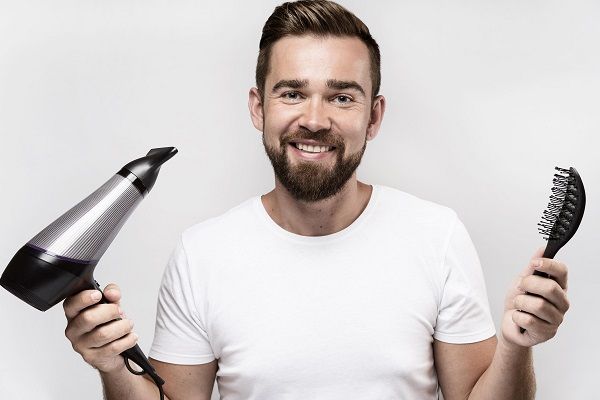
After a season of sun, saltwater, and chlorine, your hair may already be damaged and dehydrated. Heat styling tools like flat irons, curling wands, and blow dryers can further weaken and dry out your hair, leading to more breakage and split ends. Here’s why skipping the heat is essential and how you can give your hair a much-needed break:
Why you should avoid heat styling
- Prevents further damage: Heat styling strips moisture from the hair, which can exacerbate summer damage. Avoiding it helps preserve your hair’s natural oils and moisture balance, preventing further dryness and brittleness.
- Reduces breakage: Hair is more prone to breakage when it’s dehydrated, and high heat can make it even more fragile. Skipping heat styling allows your hair to strengthen and heal without additional stress.
- Promotes natural hair health: Giving your hair a break from heat lets it breathe and restore its natural texture, shine, and health. This helps maintain a healthy hair structure.
- Prevents split ends: Heat tools weaken the cuticle, leading to split ends. By avoiding heat, you reduce the need for frequent trims and keep your ends looking fresh.
Alternatives to heat styling
- Air drying: After washing your hair, gently pat it dry with a microfiber towel and allow it to air dry. For a little extra texture, braid damp hair or twist it into buns for natural waves once dry.
- Heat-free styling techniques: Use methods like braids, twists, or foam rollers to create curls and waves without the need for heat.
- Leave-in products for texture: Use leave-in conditioners, styling creams, or sea salt sprays to enhance your natural texture and define waves or curls.
- Blow-dry on cool setting: If you must use a blow dryer, switch to the cool setting to minimize heat exposure while still drying your hair.
Avoiding heat styling allows your hair to recover naturally after the summer. Opt for heat-free methods and embrace your hair’s natural beauty while giving it time to restore and rebuild moisture and strength.
7- Hydrate from the inside out

Healthy hair starts from within, and hydration plays a key role in maintaining strong, shiny hair. During the summer, exposure to the sun, saltwater, and chlorine can leave your hair dry and brittle. To help your hair bounce back, it’s essential to keep your body and hair hydrated from the inside out.
Why hydration is important
- Promotes hair growth: Staying hydrated supports overall bodily functions, including those that encourage hair growth. Dehydration can slow down the growth cycle and weaken hair strands.
- Restores hair moisture: Just like your skin, your hair needs adequate moisture to stay healthy. Drinking water helps transport nutrients to your hair follicles, ensuring that they are well-nourished.
- Prevents dryness and brittleness: Proper hydration prevents your hair from becoming dry and prone to breakage, especially after a summer of exposure to harsh elements.
How to hydrate from the inside out
- Drink enough water: Aim for at least 8 glasses of water a day to keep your body and hair adequately hydrated. Adjust your intake based on your activity level and climate.
- Eat water-rich foods: Incorporate hydrating foods like watermelon, cucumbers, oranges, and strawberries into your diet. These are not only refreshing but also help boost your hydration levels.
- Incorporate omega-3 fatty acids: Foods rich in omega-3s, such as salmon, chia seeds, and walnuts, support scalp health and keep hair moisturized from within.
- Take hair-friendly supplements: Vitamins like biotin, vitamin E, and omega-3s can enhance hair strength and hydration. Consult with a healthcare provider before adding supplements to your routine.
By staying hydrated and eating a diet rich in water and essential nutrients, you’ll help restore your hair’s natural moisture, making it healthier, stronger, and more resilient after the summer.
8- Scalp massages for circulation
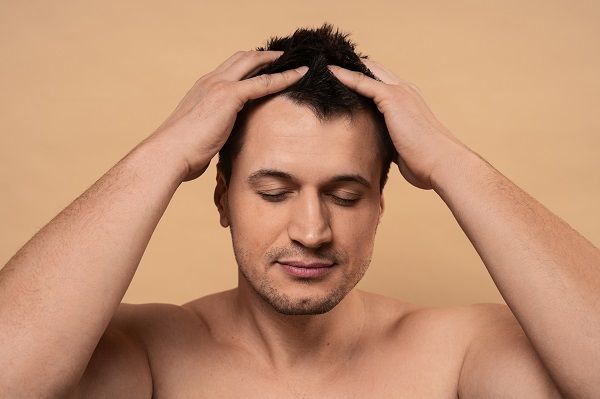
One of the most effective ways to revitalize your hair after summer is by giving yourself regular scalp massages. Scalp massages can stimulate blood flow to the hair follicles, encouraging healthy hair growth and improving overall scalp health.
Benefits of scalp massages
- Increases circulation: By massaging the scalp, you stimulate blood flow, delivering more oxygen and nutrients to hair follicles, which can promote stronger, healthier hair growth.
- Reduces stress: Scalp massages can help reduce stress and tension, which are known to contribute to hair thinning. Relaxation through massage can lead to improved hair health over time.
- Distributes natural oils: Massaging helps distribute the natural oils produced by your scalp, keeping hair nourished and moisturized, which is especially important after sun and heat exposure during the summer.
- Exfoliates the scalp: Regular massages can gently exfoliate the scalp, removing dead skin cells and buildup, which helps to create a healthy environment for hair growth.
How to perform a scalp massage
- Use your fingers: Using the pads of your fingers, apply gentle pressure to your scalp in circular motions. Start at the front of your scalp and work your way toward the back.
- Add oils for extra nourishment: To boost the benefits of a scalp massage, consider incorporating a nourishing oil like coconut, argan, or castor oil. These oils can provide additional hydration and nutrients to the hair and scalp.
- Focus on tension areas: Pay extra attention to areas of your scalp that may feel tight or tense. Massaging these areas can help relieve tension, which can improve hair health.
- Be consistent: For best results, aim for a 5-10 minute scalp massage at least a few times a week. Consistency is key to stimulating circulation and encouraging hair growth.
Using tools for scalp massage
- Scalp massager brushes: These brushes are designed to enhance the scalp massage experience and can be particularly helpful for stimulating blood flow.
- Vibrating scalp massagers: These tools can provide a more intense massage, further improving circulation and relaxation.
Incorporating scalp massages into your hair care routine can help rejuvenate your scalp and promote healthier, shinier hair after summer exposure to the elements.
9- Switch to sulfate-free shampoo
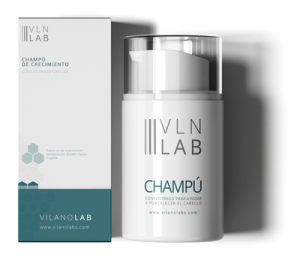
To revitalize your hair after the harsh effects of summer, one important step is to switch to a sulfate-free shampoo. Sulfates, commonly found in many shampoos, are harsh cleansing agents that can strip your hair of its natural oils, leaving it dry, brittle, and more prone to damage.
Benefits of sulfate-free shampoo
- Gentler on hair: Sulfate-free shampoos cleanse the scalp and hair without over-stripping essential oils, making them ideal for maintaining moisture and softness.
- Preserves natural oils: By using a sulfate-free option, your hair retains more of its natural oils, helping to keep it hydrated, which is especially important after summer exposure to sun and saltwater.
- Safe for colored hair: Sulfates can cause color-treated hair to fade faster. A sulfate-free shampoo helps preserve color vibrancy, making it last longer.
- Reduces frizz: Since sulfate-free shampoos are less drying, they help reduce frizz and improve manageability, especially for those with curly or textured hair.
- Prevents scalp irritation: Sulfates can sometimes lead to irritation, especially if you have a sensitive scalp. Switching to a sulfate-free formula can help alleviate dryness and itchiness.
How to transition to sulfate-free shampoo
- Expect an adjustment period: Your hair may need a few washes to adjust to a sulfate-free shampoo as it rebalances its natural oils.
- Look for moisturizing ingredients: When choosing a sulfate-free product, look for nourishing ingredients like coconut oil, aloe vera, or argan oil to maintain hydration.
- Pair with a hydrating conditioner: Sulfate-free shampoos work best when paired with a moisturizing, sulfate-free conditioner to keep hair soft and manageable.
Switching to sulfate-free shampoo is a simple yet effective way to restore and protect your hair’s health after summer exposure.