
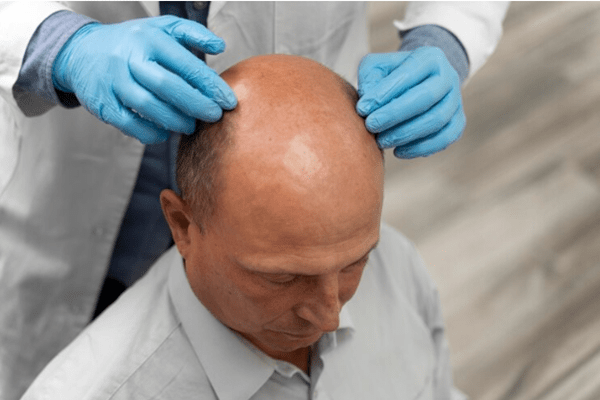
Undergoing a hair transplant can be a life-changing decision, enhancing your confidence and appearance. However, navigating post-surgery activities, especially gym workouts, requires careful consideration. Understanding how to balance your fitness routine with your recovery is crucial for optimal results. In this article, we will explore the essential aspects of exercising after a hair transplant, ensuring you have the knowledge to recover safely. And you can also check our article on whether it is appropriate to wear a cap after hair transplant.
While staying active is important for overall health, engaging in strenuous workouts too soon can jeopardize your transplant results. Your scalp needs time to heal, and certain activities may increase the risk of complications. For a comprehensive guide on caring for your scalp post-transplant, check out this resource on wearing a cap after hair transplant. By following the right protocols, you can enjoy a smooth recovery while maintaining your fitness goals.
Gym after hair transplant
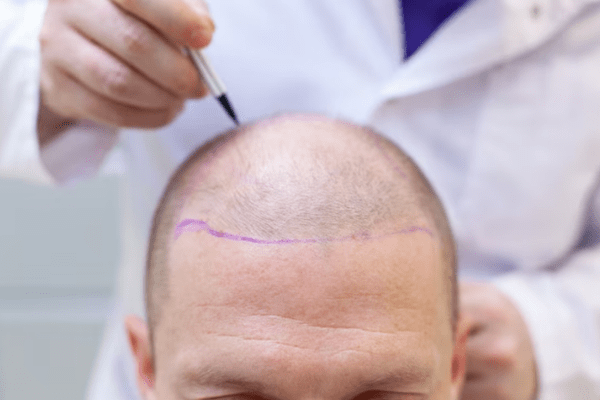
Hair transplant is a surgical procedure that involves moving hair follicles from one part of the body, usually the back or sides of the head, to an area where hair growth has stopped or has become thin. The most common area of transplantation is the scalp, but the procedure can also be used to restore hair growth in other parts of the body such as eyebrows, beard, and mustache.
During the hair transplant procedure, hair follicles are taken from a donor area and then transplanted into tiny incisions made in the recipient area of the scalp. The hair follicles that are transplanted into the recipient area are usually resistant to hair loss, ensuring that the hair will continue to grow even after the transplantation.
There are two main types of hair transplant procedures: follicular unit transplantation (FUT) and follicular unit extraction (FUE). In FUT, a strip of hair is removed from the donor area and the follicles are extracted from the strip under a microscope. In FUE, individual follicles are removed from the donor area using a small, specialized tool.
Hair transplant is considered to be a safe and effective treatment for hair loss, and many people have successfully regained a fuller head of hair through this procedure.
Is hair transplant affected by physical activities?
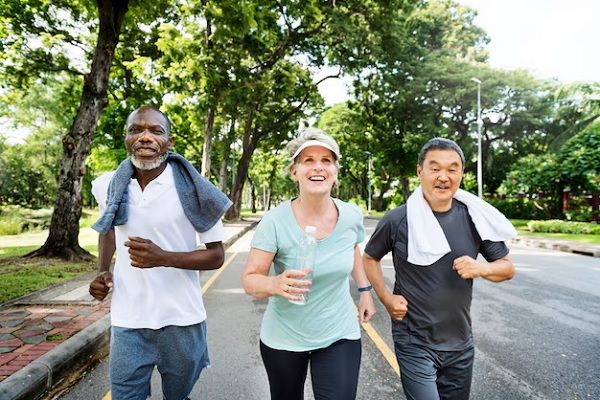
After a hair transplant procedure, it is important to avoid strenuous physical activities for the first few weeks, as this can increase the risk of dislodging the newly transplanted hair follicles. Patients are usually advised to avoid heavy lifting, intense exercise, and sports activities for at least 2-4 weeks after the procedure.
During the recovery period, it is also important to protect the scalp from any trauma or injury that could damage the newly transplanted hair follicles. Patients are often advised to avoid wearing hats or helmets, and to be careful when brushing or styling their hair.
Once the initial recovery period is over and the transplanted hair has fully taken root, patients can resume their normal physical activities without any restrictions. However, it is important to maintain good hair care practices and protect the scalp from any trauma or injury to ensure the best results from the hair transplant procedure.
Exercising after a hair transplant: risks and precautions
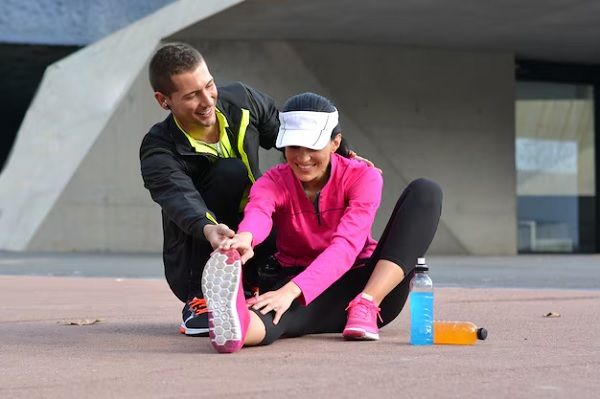
Hair transplant surgery is a common cosmetic procedure that helps individuals restore their hairline and achieve a fuller head of hair. While it is a safe and effective procedure, it is important to follow certain precautions during the recovery period to ensure the success of the transplant. One of the key precautions is to avoid exercising too soon after the surgery. In this article, we will discuss the risks of exercising after a hair transplant and provide some tips on how to take care of your hair transplant site during the recovery period.
Risks of exercising after a hair transplant
Exercising after a hair transplant surgery can be risky, especially during the first few days following the procedure. Some of the risks associated with exercising too soon after a hair transplant include:
- Dislodging Hair Grafts: Hair grafts are delicate and can easily dislodge during the initial healing period. Any impact, pulling, or straining can cause the grafts to pop out, leading to bleeding and scarring. Dislodged grafts may also prevent the new hair from growing, which can be a major setback.
- Increased Sweating: Excessive sweating can lead to itchiness, which can further dislodge the grafts. Sweat also contains salt and bacteria, which can irritate the scalp and hinder the healing process.
- Infection: During the first few days following the surgery, the hair grafts are vulnerable to infection. Any contact with bacteria or germs can cause an infection that can damage the hair follicles and prevent the hair from growing.
- High Blood Pressure: Strenuous exercise can increase blood pressure, which can lead to bleeding in the transplanted area. This can damage the newly transplanted follicles and delay the healing process.
- UV Radiation: Newly transplanted hair follicles are sensitive to UV radiation, and exposure to direct sunlight can damage the grafts and hinder their growth.
Precautions to take when exercising after a hair transplant
To minimize the risks of exercising after a hair transplant, it is important to follow certain precautions during the recovery period. Here are some tips to take care of your hair transplant site:
- Avoid Sweating: Excessive sweating can damage the hair grafts and hinder the healing process. Avoid any activity that may cause excessive sweating, such as running, cycling, or weightlifting. If you do sweat, use a soft cloth or tissue to carefully dab the sweat away. Do not wipe it off, as it may cause the grafts to dislodge.
- Take it Easy: Strenuous activity can increase blood pressure and cause the grafts to pop out. Avoid any high-impact or strenuous activities, such as heavy lifting or running, for at least the first few days following the surgery.
- Maintain Good Hygiene: Keeping the transplanted area clean is crucial to prevent infections. Use a mild shampoo to wash your hair, and avoid touching the scalp with dirty hands. Keep bedding, towels, and anything that may come into contact with your scalp clean and sanitized.
- Avoid Direct Sunlight: Protect your scalp from direct sunlight by wearing a wide-brimmed hat or using an umbrella. Avoid any activity that may expose your scalp to direct sunlight, such as swimming or sunbathing, for at least the first few days following the surgery.
- Consult with Your Surgeon: Before going swimming, consult with your hair transplant surgeon to make sure that the grafts are fully healed. Swimming in chlorinated water or seawater can damage the hair follicles and hinder their growth.
When it is safe to resume exercise
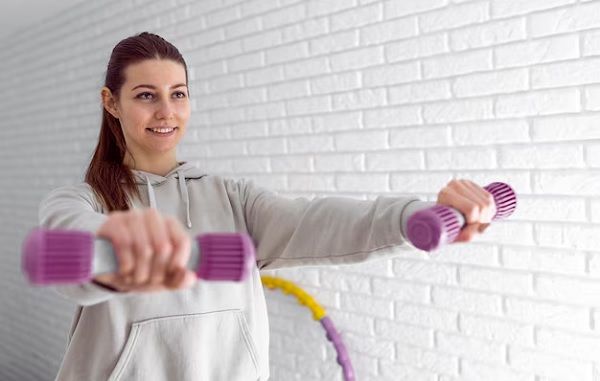
In general, it is safe to resume exercise and physical activity 7-10 days after the hair transplant surgery. However, this depends on the type and intensity of the exercise. Light aerobic exercise, such as walking or slow jogging, is recommended in the first few weeks after surgery. High-intensity exercise, weightlifting, and contact sports should be avoided until the transplant area has fully healed (at least 4 weeks).
Frequently asked questions
What types of exercises are safe to perform after a hair transplant?
In the early recovery stages, low-impact exercises are ideal. Activities such as walking, light stretching, and gentle yoga are excellent options. These exercises promote blood circulation without causing excessive strain on your scalp. As you progress, you can incorporate moderate-intensity workouts like cycling or swimming, but always listen to your body. Avoid high-impact exercises and heavy lifting for at least four to six weeks to prevent any damage to the grafts.
Can I sweat after a hair transplant?
Sweating is a natural bodily function, but it can pose risks in the early stages of recovery. Excessive sweating can irritate the scalp and increase the risk of infection at the transplant sites. It’s advisable to avoid high-intensity workouts that induce heavy sweating for the first two weeks. After that, you can gradually reintroduce sweating activities but should monitor your scalp’s condition closely.
Is it safe to use gym equipment after a hair transplant?
Using gym equipment can be safe after a hair transplant, but caution is necessary. Begin with machines that require minimal head movement and avoid those that place pressure on the scalp. For the first few weeks, prioritize exercises that do not involve bending over or putting your head down. As your recovery progresses, you can gradually incorporate more diverse equipment and exercises while ensuring your comfort and safety.
How can I protect my scalp from injury during workouts?
Protecting your scalp is crucial for a safe recovery. Consider wearing a breathable cap or headband during workouts to shield your scalp from sweat and friction. Ensure that your workout environment is clean to minimize the risk of infection. Additionally, avoid any exercises that involve sudden movements or potential impacts to the head. Being mindful of your actions can help you safeguard your new hair follicles during the healing process.
What should I do if I experience discomfort while exercising post-transplant?
If you experience any discomfort while exercising after your hair transplant, it is important to stop immediately. Listen to your body and assess the cause of the discomfort. Rest and allow your scalp to recover before trying to exercise again. If the discomfort persists or is severe, consult your healthcare provider for guidance. They can assess your situation and provide tailored advice to ensure a safe recovery.
Can I participate in group classes after a hair transplant?
Participating in group classes may be tempting, but it’s essential to approach this with caution. High-energy classes can lead to sweating and excessive movement, which may not be suitable in the early stages of recovery. It’s best to wait at least four weeks before joining group classes. When you do, choose low-impact sessions initially and ensure that the class environment is clean and comfortable for your scalp.
Are there specific signs I should look out for while exercising post-transplant?
Yes, while exercising after a hair transplant, be vigilant for signs that indicate discomfort or complications. Look out for increased redness, swelling, or pain in the scalp. Additionally, any unusual discharge or foul odor from the transplant sites should be noted. If you experience these symptoms, cease your workout immediately and consult your doctor. Early detection of potential issues is vital for a healthy recovery.
How can nutrition support my recovery after a hair transplant?
Nutrition plays a significant role in your recovery process. A balanced diet rich in vitamins and minerals can promote healing and support hair growth. Focus on foods high in protein, vitamins A, C, D, and E, as well as omega-3 fatty acids. Staying hydrated is equally important; drink plenty of water to help maintain optimal scalp health. Proper nutrition will enhance your overall recovery experience and contribute to the success of your hair transplant.