

Holistic and alternative therapies offer a unique approach to health and wellness. They focus on treating the whole person rather than just specific symptoms. This comprehensive method emphasizes the connection between body, mind, and spirit. Many people turn to these therapies for relief from chronic pain, stress, and other health issues. As a result, holistic and alternative therapies have gained popularity in recent years.
Moreover, these therapies encompass various practices including acupuncture, herbal medicine, and meditation. Each of these practices aims to promote balance and harmony. Many individuals find that holistic and alternative therapies complement conventional medicine. They often use these approaches alongside standard treatments, enhancing their overall well-being.
Understanding holistic and alternative therapies
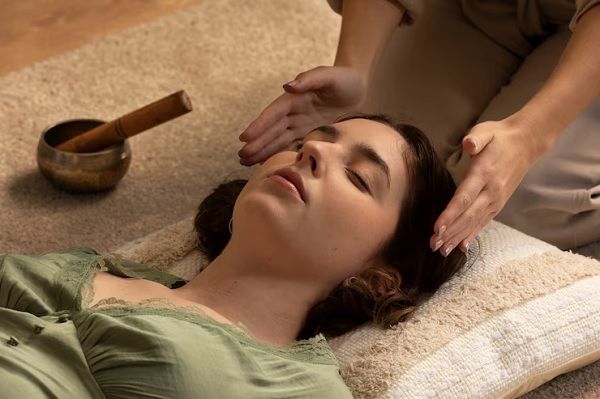
Holistic and alternative therapies focus on the individual’s overall health. Rather than simply addressing symptoms, these therapies consider emotional, physical, and spiritual aspects. This comprehensive view encourages practitioners to treat underlying issues rather than just the surface problems.
For instance, acupuncture involves inserting needles into specific points on the body. This practice aims to balance energy and promote healing. Similarly, herbal medicine uses natural plants and substances to support wellness. These remedies have roots in ancient traditions and often come with fewer side effects compared to pharmaceuticals.
Meditation and mindfulness practices also fall under holistic and alternative therapies. These techniques help individuals manage stress, improve mental clarity, and enhance emotional well-being. By incorporating these practices into daily life, people can foster a greater sense of balance and peace.
Additionally, holistic and alternative therapies often encourage lifestyle changes. This includes adopting healthier eating habits, engaging in regular physical activity, and prioritizing self-care. Consequently, individuals can achieve a more harmonious and fulfilling life.
The rise of holistic and alternative therapies
The rise in popularity of holistic and alternative therapies reflects a growing desire for natural and effective health solutions. Many individuals feel disillusioned with conventional medicine due to its focus on symptoms rather than root causes. They seek alternatives that prioritize their overall well-being instead.
Furthermore, increased access to information and resources has empowered people to explore these therapies. Online platforms and social media have made it easier to learn about holistic and alternative options. As a result, more individuals are embracing practices that resonate with their personal beliefs and values.
Another factor contributing to the rise of these therapies is the increasing emphasis on preventive care. People are becoming more aware of the importance of maintaining their health. Holistic and alternative therapies support this mindset by promoting healthy lifestyles. They encourage individuals to take charge of their well-being and make informed decisions about their health.
Moreover, research continues to support the effectiveness of many holistic and alternative therapies. Studies show that therapies like acupuncture, yoga, and herbal medicine can provide significant health benefits. As more evidence emerges, the acceptance of these practices grows within the broader medical community.
Pros and cons of holistic and alternative therapies
Pros
Holistic and alternative therapies offer many advantages. First, they often emphasize natural approaches. This can lead to fewer side effects compared to conventional medications. Individuals appreciate using natural remedies for their health concerns.
Additionally, these therapies often promote a sense of empowerment. By taking an active role in their healing process, individuals feel more in control of their health. This can enhance overall satisfaction with their health journey.
Moreover, holistic and alternative therapies frequently focus on prevention. They encourage individuals to adopt healthier lifestyles, ultimately reducing the risk of chronic diseases. By prioritizing wellness, people can lead more fulfilling lives.
Another benefit lies in the variety of options available. From acupuncture to aromatherapy, individuals can explore numerous practices. This diversity allows for a personalized approach to health and wellness.
Finally, many people find that holistic and alternative therapies foster a sense of community. Engaging in classes, workshops, or group sessions can create lasting connections. These social interactions often enhance the healing experience and provide valuable support.
Cons
While holistic and alternative therapies offer many benefits, they also come with potential downsides. One significant concern is the lack of regulation in the field. Not all practitioners maintain the same level of training or expertise. This can lead to inconsistent experiences for individuals seeking care.
Additionally, some therapies may not have robust scientific backing. While many practices have anecdotal support, more research is needed to establish their effectiveness. Individuals should remain cautious and informed when exploring these options.
Another drawback is that holistic and alternative therapies sometimes require a time commitment. Practices like meditation, yoga, or dietary changes often necessitate consistent effort. Individuals may struggle to find the time or motivation to integrate these practices into their busy lives.
Moreover, holistic and alternative therapies may not always be covered by insurance. This can pose a financial burden for individuals seeking these treatments. Consequently, it’s essential for individuals to consider their budget when exploring options.
Lastly, relying solely on holistic and alternative therapies may delay necessary medical treatment. Individuals should communicate openly with their healthcare providers. This ensures that they receive comprehensive care that addresses all aspects of their health.
Popular types of holistic and alternative therapies
Holistic and alternative therapies encompass a wide range of practices. Each method offers unique benefits and approaches to health and wellness. Below are some popular types of these therapies:
Acupuncture
Acupuncture is a traditional Chinese medicine practice that involves inserting thin needles into specific points on the body. This technique aims to balance the flow of energy, known as Qi. Many individuals seek acupuncture for pain relief, stress reduction, and overall well-being. Studies have shown that acupuncture can effectively alleviate chronic pain, including back pain and migraines.
Practitioners often customize treatment plans based on each individual’s needs. The sessions can last anywhere from 30 minutes to an hour, depending on the specific goals. Some people may feel immediate relief after just one session, while others might require multiple appointments for optimal results.
In addition to pain management, acupuncture can also support emotional health. Many individuals report improved mood and reduced anxiety after treatments. This holistic approach encourages clients to explore their emotional connections to physical symptoms.
Herbal medicine
Herbal medicine utilizes plants and natural substances to promote health and healing. This practice has a long history and varies across cultures. Herbal remedies can take various forms, including teas, tinctures, capsules, and essential oils.
One of the significant advantages of herbal medicine is its potential to address a wide range of health concerns. Many individuals turn to herbal remedies for digestive issues, sleep problems, or immune support. For example, chamomile tea may promote relaxation, while ginger can aid digestion.
However, it’s essential to approach herbal medicine with caution. Not all herbs are safe for everyone, and some may interact with prescription medications. Individuals should consult with a qualified herbalist or healthcare provider before starting any new herbal regimen.
Meditation and mindfulness
Meditation and mindfulness practices promote mental clarity and emotional well-being. These techniques encourage individuals to focus on the present moment, fostering a sense of peace. Many people find that regular meditation reduces stress and anxiety levels.
There are various forms of meditation, including guided visualization, loving-kindness meditation, and transcendental meditation. Each approach offers unique benefits, allowing individuals to choose what resonates most with them.
Mindfulness practices extend beyond meditation, incorporating awareness into daily activities. This can include mindful eating, walking, or even simple breathing exercises. By cultivating mindfulness, individuals can enhance their overall quality of life.
Yoga
Yoga is a physical, mental, and spiritual practice that originated in ancient India. It combines physical postures, breathing techniques, and meditation to promote holistic well-being. Many individuals practice yoga for its numerous health benefits, including improved flexibility, strength, and stress relief.
There are various styles of yoga, ranging from gentle Hatha to vigorous Vinyasa or Ashtanga. Each style allows individuals to find a practice that aligns with their preferences and fitness levels.
Additionally, yoga encourages self-awareness and mindfulness. Practitioners often report increased body awareness and emotional resilience. This holistic approach makes yoga a popular choice for those seeking balance in their lives.
Aromatherapy
Aromatherapy involves using essential oils to enhance physical and emotional well-being. These concentrated plant extracts can be inhaled, applied topically, or used in diffusers. Many people turn to aromatherapy for relaxation, stress relief, and mood enhancement.
Different essential oils offer various benefits. For example, lavender is known for its calming properties, while peppermint can invigorate and energize. Individuals can experiment with different oils to find what resonates best with them.
While aromatherapy is generally safe, it’s essential to use essential oils correctly. Some oils may cause skin irritation if applied undiluted. Consulting with a qualified aromatherapist can provide guidance on safe and effective usage.
Finding a practitioner for holistic and alternative therapies
When seeking holistic and alternative therapies, finding a qualified practitioner is crucial. Start by researching practitioners in your area, focusing on their credentials and experience. Many practitioners will have websites or social media profiles showcasing their qualifications and specialties.
Additionally, consider asking for recommendations from friends or family who have experience with these therapies. Personal referrals can provide valuable insights into a practitioner’s approach and effectiveness.
Once you have a list of potential practitioners, schedule initial consultations. This allows you to ask questions and gauge their compatibility with your needs. Pay attention to how comfortable you feel discussing your health concerns with them.
During the consultation, inquire about their training, experience, and treatment methods. A good practitioner will be open about their background and provide information on their approach. This transparency can help you make an informed decision.
Finally, trust your intuition when choosing a practitioner. Your comfort level and connection with them play a significant role in your healing journey. By finding the right fit, you can enhance your experience with holistic and alternative therapies.
Integrating holistic and alternative therapies into your life
Incorporating holistic and alternative therapies into your life can be a rewarding journey. Start by identifying areas where you seek improvement or balance. This could be physical, emotional, or even spiritual aspects of your life.
Once you have a clear focus, explore various therapies that resonate with you. Consider trying different practices, such as yoga, meditation, or acupuncture. This experimentation can help you discover what works best for your unique needs.
Additionally, create a routine that incorporates these therapies into your daily life. Consistency is key to experiencing the benefits of holistic and alternative therapies. For instance, set aside time each day for meditation or practice yoga several times a week.
Furthermore, prioritize self-care as an essential component of your wellness journey. This can include activities that bring you joy and relaxation, such as spending time in nature, reading, or engaging in creative pursuits.
Lastly, remain open to learning and adapting your approach over time. As you grow and change, your needs may evolve. Embracing this journey with curiosity can lead to lasting improvements in your overall health and well-being.
Conclusion
Holistic and alternative therapies offer valuable approaches to health and wellness. They focus on treating the whole person rather than just specific symptoms. This comprehensive perspective promotes balance and harmony within the individual. As you explore these therapies, keep in mind their potential benefits and limitations. By approaching your health journey with curiosity and openness, you can enhance your overall well-being. Remember, it’s essential to find qualified practitioners and integrate these practices into your daily life. With the right approach, holistic and alternative therapies can lead to a more fulfilling and vibrant existence.