
When it comes to hair transplants, one of the most frequently asked questions is about grafts. But what exactly are grafts, and what role do they play in the process of restoring one’s hair? In this article, we’ll delve into the intricacies of grafts, helping you to understand their definition and significance in the world of hair restoration.
What Are Grafts?
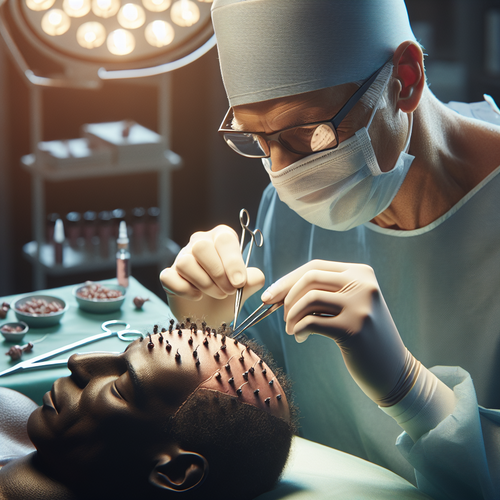
In the simplest terms, a graft is a small piece of tissue that is taken from one part of the body and transplanted to another. In the context of hair transplants, grafts refer specifically to the hair follicles that are harvested from a donor area and implanted into areas of thinning or baldness. These grafts can vary in size and are critical to the success of the hair transplant procedure.
Types of Grafts
There are two main techniques for obtaining hair grafts: Follicular Unit Extraction (FUE) and Follicular Unit Transplantation (FUT). Understanding these methods is essential as they directly impact the quality and success of the grafts.
Follicular Unit Extraction (FUE)
FUE involves the individual extraction of hair follicles directly from the scalp. This technique is known for its precision and minimal invasiveness. During an FUE procedure, a surgeon uses a tiny punch tool to remove grafts one by one from the donor area, which is usually located at the back of the head. The advantages of FUE include:
- Less scarring compared to other methods
- Shorter recovery time
- Ability to wear hair short without visible scarring
Follicular Unit Transplantation (FUT)
On the other hand, FUT involves removing a strip of skin from the donor area, which contains several hair follicles. These follicles are then dissected into individual grafts. Although this method can produce a higher yield of grafts in a single session, it does leave a linear scar. However, many still find success with FUT due to the following benefits:
- Often produces a higher number of grafts in one session
- Typically more cost-effective for larger transplant needs
The Importance of Graft Quality
Regardless of the extraction method used, the quality of the grafts is vital for the overall success of the hair transplant. High-quality grafts are more likely to survive the transplant process and thrive in their new locations. Key factors that affect the quality of grafts include:
- The skill and experience of the surgeon
- Proper handling of the grafts during the procedure
- The health and characteristics of the donor hair
How Many Grafts Do You Need?
The number of grafts required for a hair transplant can significantly vary from person to person. Factors that influence the number of grafts needed include:
- The extent of hair loss
- The density desired
- The size of the recipient area
A consultation with a qualified hair restoration specialist can help you determine the ideal number and type of grafts for your specific situation.
Post-Transplant Care
After the procedure, proper care is crucial for the health of the newly transplanted grafts. Following your surgeon’s aftercare instructions will help ensure that the grafts remain intact and begin to grow effectively. Some general tips for post-transplant care include:
- Avoid strenuous activities for a few days
- Keep the scalp clean and dry
- Use prescribed medications as directed
What to Expect After the Procedure
Following a hair transplant, it’s normal to experience some shedding of the transplanted hair within the first few weeks. This is often referred to as “shock loss” and is temporary. New hair should begin to grow after a few months, and you can expect to see significant improvement within 6 to 12 months after the procedure.
Why Choose a Hair Transplant?
For those who are experiencing hair loss, hair transplant surgery is often considered one of the most effective solutions available. It offers a permanent and natural-looking result compared to other options such as medications or hairpieces. With advancements in technique and technology, the success rates have dramatically improved, giving individuals renewed confidence.
Finding the Right Surgeon
Choosing the right surgeon is perhaps one of the most critical decisions in the hair transplant journey. Look for a qualified specialist with extensive experience in the particular graft technique you’re considering. Patient reviews and before-and-after photos are invaluable resources during your decision-making process.
Conclusion
Understanding grafts and their role in hair transplants is fundamental for anyone considering this procedure. Whether you opt for FUE or FUT, the quality of the grafts and the expertise of your chosen surgeon can significantly influence your results. If you’re seeking to reclaim your hair and confidence, a hair transplant might just be the solution you’ve been looking for.
In summary, grafts are the lifeblood of hair transplantation, and taking the time to understand them can lead to better treatment decisions and outcomes. Enjoy your journey to regaining hair, and remember that expertise and quality should always be your top priorities!