
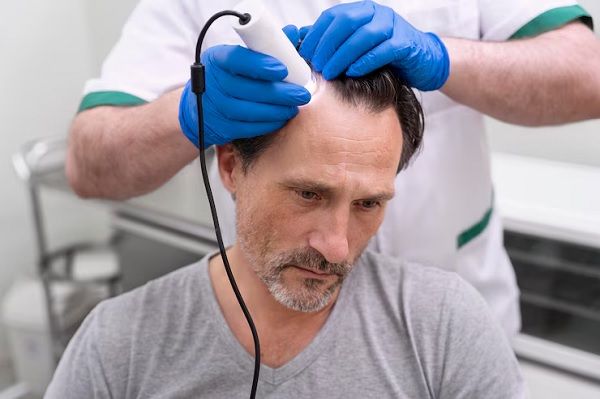
Low-Level Laser Therapy, commonly known as LLLT, has gained popularity as a non-invasive treatment for various health issues, including hair loss. This innovative technology utilizes low-intensity lasers to stimulate cellular activity, promoting healing and growth. More importantly, LLLT has emerged as a promising solution for individuals experiencing hair thinning and loss. By understanding how it works and exploring its benefits, you can make informed decisions regarding your hair health.
As you delve into the world of Low-Level Laser Therapy, you will discover a range of applications beyond hair restoration. It is crucial to recognize the advancements in laser technology, which have made it more accessible and effective. Many users report positive outcomes, making LLLT an appealing option for those seeking a safe and effective hair loss treatment. With the right information, you can understand how LLLT can revitalize your hair and boost your confidence.
Understanding how Low-Level Laser Therapy works
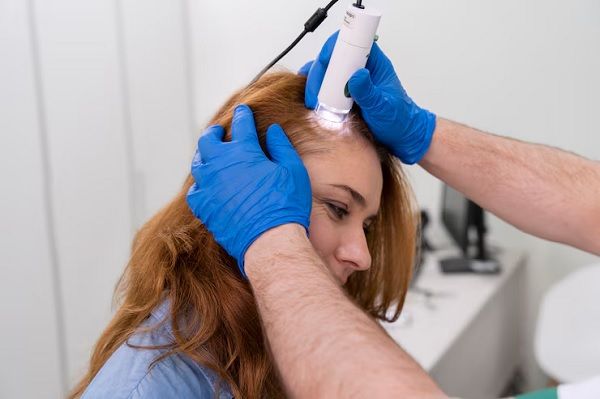
Low-Level Laser Therapy works by emitting specific wavelengths of light that penetrate the skin and stimulate cellular processes. When laser light interacts with the tissues, it promotes increased blood flow, enhances cellular metabolism, and stimulates hair follicles. This process encourages the growth of new hair and revitalizes existing strands. Unlike traditional laser treatments, LLLT does not generate heat, making it a safe choice for various applications.
The key to LLLT’s effectiveness lies in its ability to stimulate the mitochondria within cells. Mitochondria are often referred to as the powerhouse of the cell, as they produce energy in the form of ATP. Increased ATP production enhances cellular function and accelerates the healing process. Consequently, individuals experiencing hair loss may notice improved hair density and thickness over time.
Furthermore, LLLT not only stimulates hair growth but also improves overall scalp health. A healthier scalp environment fosters better hair growth conditions, allowing for thicker and healthier hair. By incorporating Low-Level Laser Therapy into your hair care routine, you can experience noticeable improvements in your hair’s appearance and quality.
Benefits of Low-Level Laser Therapy for hair loss
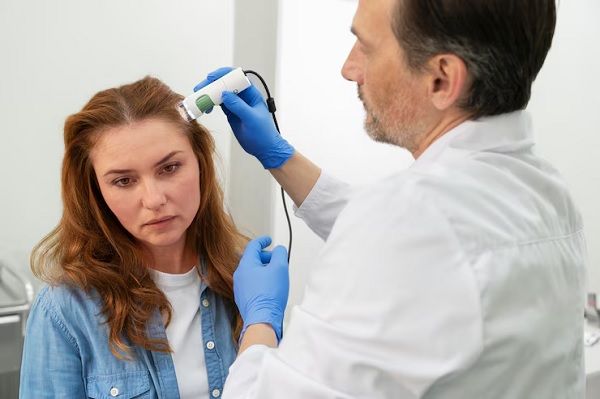
One of the primary benefits of Low-Level Laser Therapy is its ability to stimulate hair growth in both men and women. Research shows that consistent use of LLLT can lead to significant improvements in hair density and thickness. Users often report visible results within a few months of starting treatment. This makes LLLT an attractive option for individuals looking to restore their hair without resorting to invasive procedures.
Moreover, LLLT is a pain-free and non-invasive treatment. Many users appreciate that it does not involve needles, surgery, or harsh chemicals. This aspect makes it appealing to those who may be hesitant about more aggressive treatments. With LLLT, you can enjoy a comfortable experience while working towards healthier, fuller hair.
Additionally, Low-Level Laser Therapy is suitable for various types of hair loss, including androgenetic alopecia and alopecia areata. This versatility allows individuals facing different hair loss challenges to explore LLLT as a potential solution. Many users find that LLLT complements other hair restoration methods, enhancing overall results and promoting long-term hair health.
Pros and cons of Low-Level Laser Therapy
Pros of Low-Level Laser Therapy
- Non-invasive treatment: Low-Level Laser Therapy provides a non-surgical option for those seeking hair restoration. This non-invasive nature appeals to individuals who prefer to avoid surgical procedures.
- Pain-free experience: Many users appreciate that LLLT does not cause discomfort. The treatment involves no needles or incisions, making the experience relaxing and enjoyable.
- Suitable for various hair loss types: LLLT effectively addresses different types of hair loss, including genetic and sudden hair loss. This versatility broadens the range of potential users.
- No downtime required: After an LLLT session, individuals can immediately resume their daily activities. There’s no need to take time off work or alter your routine.
- Improves scalp health: LLLT doesn’t merely promote hair growth; it also enhances scalp health. A healthier scalp fosters the ideal environment for hair growth and vitality.
Cons of Low-Level Laser Therapy
- Time commitment: Consistency is key when using LLLT. Users must commit to regular sessions to see optimal results, which can require significant time.
- Variable results: While many users experience positive outcomes, results can vary depending on individual factors such as hair type and the extent of hair loss.
- Initial costs: The upfront cost of LLLT devices can be a barrier for some individuals. However, considering the long-term benefits, many find it worthwhile.
- Not a one-size-fits-all solution: LLLT may not work for everyone. Individuals with certain medical conditions may need to seek alternative treatments.
- Requires ongoing maintenance: To maintain results, users may need to continue regular sessions, which can be a financial commitment over time.
The science behind
To understand how Low-Level Laser Therapy works, it’s important to look at the science behind it. LLLT utilizes specific wavelengths of light, typically in the red and near-infrared spectrum, to stimulate biological processes. This light penetrates the skin and interacts with cells to promote healing and regeneration.
The primary mechanism of action involves stimulating the mitochondria in cells, resulting in increased ATP production. ATP is crucial for cellular energy, and higher levels enhance various cellular functions. For hair follicles, this means improved growth cycles and increased hair density.
Research studies have shown that Low-Level Laser Therapy can enhance blood circulation in the scalp. Improved circulation delivers essential nutrients and oxygen to hair follicles, supporting healthier hair growth. As a result, users often notice thicker and fuller hair following consistent LLLT sessions.
Additionally, LLLT helps reduce inflammation in the scalp. Inflammation can hinder hair growth and contribute to hair loss. By reducing inflammation, LLLT creates a more favorable environment for hair follicles to thrive.
Different applications
Low-Level Laser Therapy has various applications beyond hair loss treatment. Many healthcare professionals utilize LLLT for pain management, wound healing, skin rejuvenation, and even dental procedures. Its versatility makes it an attractive option for several medical and cosmetic applications.
In pain management, LLLT helps alleviate discomfort by reducing inflammation and promoting healing. Patients suffering from chronic pain conditions often find relief through consistent LLLT sessions. The non-invasive nature of the treatment appeals to individuals seeking alternatives to medication or surgery.
In dermatology, Low-Level Laser Therapy proves effective in treating acne, psoriasis, and other skin conditions. The anti-inflammatory properties of LLLT help calm irritated skin and promote healing. Many users appreciate the non-invasive approach to skin rejuvenation, allowing for healthier and clearer skin over time.
In dental applications, LLLT assists with pain relief and healing after dental procedures. Dentists often recommend LLLT to enhance recovery and reduce discomfort for their patients. This application highlights the diverse range of uses for Low-Level Laser Therapy.
How to incorporate LLLT into your routine
Incorporating Low-Level Laser Therapy into your hair care routine can be simple and effective. The first step is to choose a quality LLLT device that suits your needs. Many options are available, from handheld devices to laser caps. Consider your lifestyle and preferences when selecting a device.
Once you have your LLLT device, establish a consistent routine. Most experts recommend using the device 2 to 3 times per week for optimal results. Each session typically lasts around 20 to 30 minutes, making it easy to fit into your schedule.
During each session, ensure that you follow the manufacturer’s instructions for use. This may include positioning the device correctly and avoiding any distractions to maximize effectiveness. Consistency is key; regular use will lead to better results over time.
Additionally, consider combining LLLT with other hair care practices. Maintain a healthy diet rich in vitamins and minerals that promote hair growth. Staying hydrated and managing stress levels can also positively impact your hair health.