
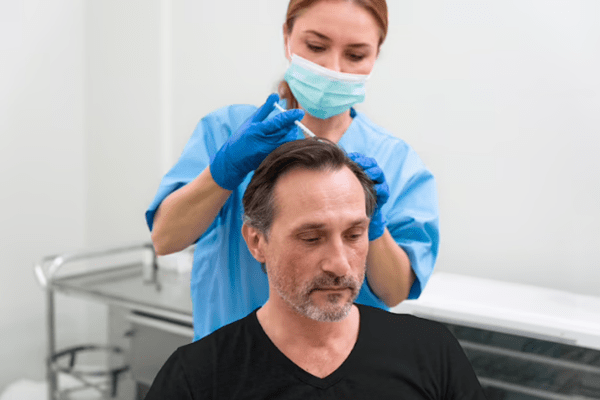
Hair transplantation has gained immense popularity as a solution for hair loss. However, not everyone is a suitable candidate for this procedure. Understanding which patients should avoid hair transplants is crucial for setting realistic expectations. Factors such as medical history, hair loss type, and individual health conditions play a significant role in determining candidacy. For a deeper dive into the different hair transplant methods, you can check this link.
Many people seeking hair restoration may feel disheartened upon learning they are not ideal candidates. It’s essential to recognize that a hair transplant is not a one-size-fits-all solution. While the procedure can yield impressive results for some, others may face risks or complications that outweigh the benefits. This article will explore who should avoid hair transplants and why, ensuring that potential patients make informed decisions about their hair restoration options.
Hair transplant
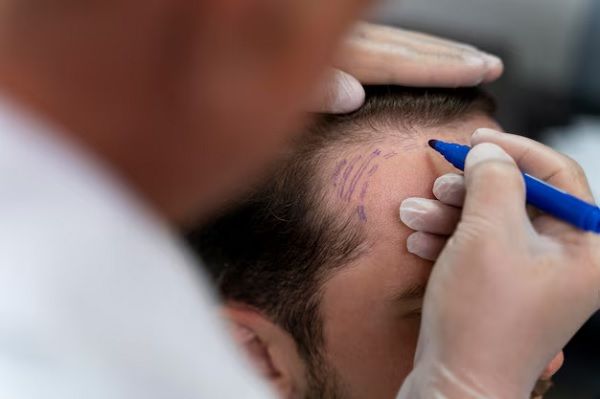
Hair transplant is a surgical procedure that involves removing hair follicles from one part of the body (typically the back or sides of the scalp, where hair is more resistant to balding) and implanting them into areas of the scalp where hair has thinned or is completely absent. The goal of hair transplantation is to restore a natural-looking hairline and to increase hair density in balding areas. There are two main types of hair transplant procedures:
Follicular Unit Transplantation (FUT): Also known as strip harvesting, this technique involves removing a strip of skin from the donor area and then dissecting it into individual hair follicles to be transplanted into the recipient site. This method leaves a linear scar, which can be hidden by surrounding hair.
Follicular Unit Extraction (FUE): This procedure involves extracting individual hair follicles directly from the donor area using a small, handheld instrument called a punch. The follicles are then implanted into the recipient site. This method leaves small, circular scars that are less noticeable than the linear scar from FUT.
Both FUT and FUE can be used to transplant hair to the scalp, eyebrows, beard, and mustache. The choice of technique depends on the patient’s individual needs and preferences, as well as the expertise of the surgeon performing the procedure.
Patients who are not ideal candidates for hair transplant
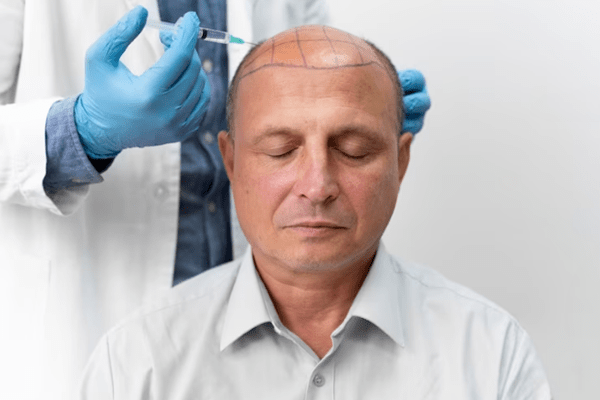
While this procedure can be effective for many people, not everyone is a suitable candidate for a hair transplant. There are several factors that can make a patient unsuitable for a hair transplant, including the following:
Stability of hair loss
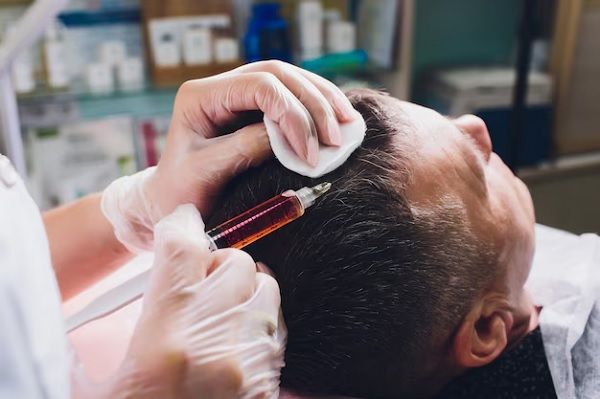
One of the most critical factors to consider before hair transplantation is the stability of the patient’s hair loss. The surgeon should assess whether the hair loss is stable or rapidly progressing. If the hair loss is unstable or rapidly progressing, the surgeon may recommend medical therapy to stabilize the condition before proceeding with surgery. Medical therapy options include finasteride, minoxidil, low-level laser therapy (LLLT), and platelet-rich plasma (PRP).
The degree of miniaturization in the recipient area is another important consideration. Patients with a high degree of miniaturization in the recipient area are at high risk of experiencing shock loss after transplantation, which may be permanent. Therefore, the surgeon should carefully evaluate the miniaturization in the recipient area before proceeding with the surgery.
Insufficient hair loss
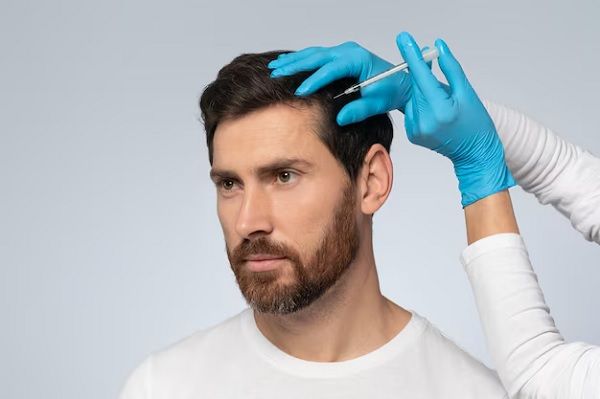
Patients with hair loss that has not yet reached the threshold for transplantation can benefit from medical therapy and ongoing monitoring. Trichoscopy can reveal the presence of miniaturization that is not yet visible to the naked eye. Patients with thinning hair and less than 50% native hair density loss are not yet candidates for hair transplantation.
Young patients
There are risks associated with performing hair transplant surgeries on young male patients with rapidly progressing hair loss. Such patients often seek hair transplant as a quick fix to their hair loss, which is emotionally devastating for them. They may come with unrealistic expectations of having their juvenile low and flat hairline restored to its original density or squared-off temples, similar to their favorite pop stars. However, performing hair transplant surgery at this early stage is not advisable as it can further jeopardize the future of the patient, and lead to unsatisfactory results.
Instead, surgeons should spend time explaining the progressive nature of balding and the need for ongoing treatment throughout adulthood to stabilize the condition. Medical therapy should be recommended to restore some lost density and stabilize hair loss before performing hair transplant surgery. The surgeon should monitor the effects and side effects of medical therapy through regular follow-ups and ensure that the patient is well-informed about the medications prescribed.
However, some patients may reject medical therapy and insist on hair transplant surgery. In such cases, the surgeon should not bow to pressure and refuse to perform the surgery. Instead, the surgeon should invite the patient to consult reputable and ethical surgeons and return for a second consultation. Without medical therapy, the patient may undergo a series of surgeries that could lead to donor supply depletion and unsatisfactory results. Therefore, proper care for young male patients with rapidly progressing hair loss should prioritize medical therapy and appropriate preoperative planning before considering hair transplant surgery.
Unrealistic expectations
It is important to manage the patient’s expectations for hair transplantation. The goal is not to recreate the pre-balding hair density, but rather to create cosmetic density that gives the appearance of density without actually restoring or surpassing the original density. Patients with unrealistic expectations, such as expecting to see no scalp at all after transplantation or expecting zero scarring after surgery, can be difficult to satisfy. The surgeon’s responsibility is to educate the patient with reasonable expectations and ensure that they understand and accept these limitations before proceeding with surgery.
Psychological disorders
There are two types of patients who are not suitable for hair transplant surgery. The first type is patients with Body Dysmorphic Disorder (BDD), who often present with minor defects that are not even noticeable to the examining surgeon. These patients have an unhealthy fixation on their perceived defect and constantly seek corrective surgeries, making them highly dissatisfied and litigious. These patients may not readily accept a refusal to perform surgery, and they may not accept recommended psychological counseling.
The second type of patient is those with trichotillomania, an obsessive-compulsive disorder that involves constant hair pulling and plucking. Patients with this condition may also have pattern hair loss that mimics other types of hair loss. Surgeons should inquire about hair pulling and examine the balding area for broken hairs as part of the consultation. Although trichotillomania is not an absolute contraindication to hair transplantation, surgeons should defer the procedure pending psychological treatment and stabilization.
Anxiety and depression, on the other hand, are not contraindications for hair transplant surgery, and transplantation may even help in treating these conditions. Surgeons should encourage patients to receive psychological treatment for these disorders in conjunction with hair loss treatment to support their overall well-being.
Frequently asked questions
What are the main reasons someone might not be a suitable candidate for a hair transplant?
Several reasons can disqualify an individual from being a suitable candidate for a hair transplant. One primary factor is the underlying cause of hair loss. Conditions like alopecia areata, which causes patchy hair loss, may not respond well to transplantation. Additionally, individuals with severe scarring or skin conditions on the scalp can face complications during and after the procedure.
Another critical reason can be the age of the patient. Younger individuals may experience progressive hair loss, making it challenging to achieve desirable results. If a patient is under the age of 25, doctors often recommend waiting until hair loss stabilizes. Lastly, poor donor hair quality, such as thinning or weak hair follicles, can also make a patient unsuitable for hair transplantation.
Are there specific medical conditions that exclude someone from receiving a hair transplant?
Yes, several medical conditions can exclude a person from receiving a hair transplant. One significant condition is uncontrolled diabetes, which can impair healing and increase the risk of infection. Patients with cardiovascular issues or those on anticoagulant therapy may also experience complications during the procedure.
Furthermore, individuals with autoimmune diseases might not be suitable candidates for hair transplants. Conditions like lupus or rheumatoid arthritis can affect the body’s ability to heal and maintain healthy hair growth. It’s essential for potential candidates to discuss their complete medical history with a qualified specialist to determine their suitability.
How does smoking affect eligibility for a hair transplant?
Smoking can significantly impact a person’s eligibility for a hair transplant. Nicotine constricts blood vessels, reducing blood flow to the scalp. This decreased circulation can lead to poor healing and increased risk of complications after the procedure. Surgeons often recommend that patients quit smoking several weeks before and after the surgery to optimize results.
Moreover, smoking can negatively affect hair growth and overall scalp health. For individuals who smoke regularly, the chances of achieving satisfactory results from a hair transplant may diminish. It’s crucial for candidates to be honest about their smoking habits during consultations with healthcare professionals.
Is there an age limit for hair transplant candidates?
While there is no strict age limit for hair transplant candidates, age can significantly influence candidacy. Surgeons typically advise against performing hair transplants on patients under 25. This recommendation is due to the potential for ongoing hair loss, which can complicate results.
For older patients, factors such as overall health and the extent of hair loss will play a more critical role. Each case is unique, so a thorough evaluation by a qualified specialist is vital to determine the right course of action based on age and individual circumstances.
What lifestyle factors should be considered before opting for a hair transplant?
Lifestyle factors can greatly influence a person’s suitability for a hair transplant. Stress levels, diet, and overall health all play a role in the body’s ability to heal and regenerate hair. High-stress environments can exacerbate hair loss, making it essential for candidates to manage stress effectively.