
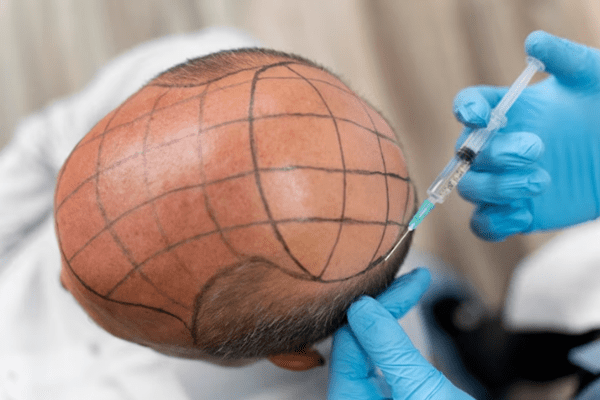
Pimples on the scalp after a hair transplant are a common occurrence and are usually a part of the healing process. These small, sometimes tender bumps are medically referred to as folliculitis and result from inflammation or infection of hair follicles. Here’s a detailed overview:
Causes of pimples after a hair transplant
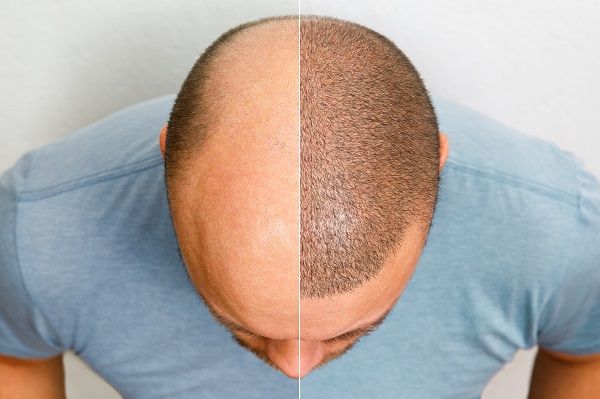
Pimples after a hair transplant can occur for various reasons, usually related to the healing process, irritation, or minor infections in the transplanted area. Below are the common causes:
1. Hair follicle activation
- Newly transplanted follicles begin to grow hair, and this growth can cause mild irritation or blockage in the follicles, leading to pimples.
- This is a common and temporary reaction to the regeneration of hair.
2. Clogged follicles
- Sebum (natural oil) production may increase as the scalp heals, and this can mix with dead skin cells, forming blockages in the hair follicles.
- These blockages can result in pimples or small pustules.
3. Ingrown hairs
- Newly growing hairs may curl back into the skin instead of growing outward, leading to inflammation and the formation of bumps or pimples.
- Ingrown hairs are particularly common during the early stages of hair regrowth after a transplant.
4. Infection
- During the recovery period, bacteria can enter healing follicles or surgical sites, causing an infection.
- This results in pimples, redness, swelling, or pus-filled bumps.
5. Dead skin and debris
Post-surgical healing often involves shedding of dead skin cells, which can accumulate and clog the follicles if not properly cleaned.
6. Overproduction of sebum
In some patients, the scalp may overproduce oil during the healing process, leading to follicle irritation and pimples.
7. Surgical trauma
The scalp undergoes significant trauma during the transplant process. The healing tissue may develop localized irritation, causing small bumps.
8. Allergic reactions
Some patients may react to post-surgical medications, creams, or shampoos prescribed after the procedure, resulting in pimples or rash-like irritation.
9. Poor hygiene
Failing to clean the scalp properly or following improper aftercare instructions can lead to a buildup of bacteria, oil, and dirt, increasing the likelihood of pimples.
10. Use of tight or unclean headwear
Wearing tight caps, hats, or unclean head coverings can irritate the healing scalp and trap sweat, leading to pimples.
11. Overuse of topical products
Applying excessive topical products like hair oils, creams, or harsh shampoos can block the follicles and cause irritation.
12. Delayed shedding process
Some patients experience delayed shedding of transplanted hair follicles during the initial recovery phase. The trapped hair can result in inflammation and pimple-like bumps.
13. Folliculitis
This is an inflammation of the hair follicles and is a common occurrence after a hair transplant. It can manifest as red, inflamed, or pus-filled pimples.
If you’re experiencing persistent or severe pimples after a hair transplant, consult your surgeon for advice. Timely care can help prevent complications and ensure optimal recovery.
What do the pimples look like?

Pimples on the scalp after a hair transplant typically look like small, red, raised bumps. They can vary in appearance depending on the underlying cause, but generally, they have the following characteristics:
1. Red or inflamed bumps
- The pimples often appear as small, red or pinkish bumps on the scalp, typically around the transplanted hair follicles.
- These red bumps may be tender to touch and can cause slight discomfort, especially when pressure is applied.
2. Pus-filled or whiteheads
- Some pimples may appear white or yellowish at the tip, indicating that they are filled with pus.
- These are often referred to as pustules and may be a sign of an infection or inflammation of the hair follicle.
3. Clustered bumps
- Pimples may appear individually, but in some cases, they can form clusters or groups of several small bumps in one area of the scalp.
- This is especially true if the pimples are related to folliculitis (inflammation of the hair follicles) or clogged follicles.
4. Tender or painful pimples
- The pimples can be sensitive or painful to the touch. This pain is usually mild, but in some cases, it can be more intense, especially if there is an infection present.
- The area surrounding the pimple may feel warm or swollen.
5. Small, flat bumps
In some cases, the pimples may be flat rather than raised, appearing as small, skin-colored or slightly red spots on the scalp.
6. Itchy pimples
- Pimples caused by irritation or the healing process can sometimes be itchy, leading the patient to scratch the scalp.
- Scratching can make the pimples worse or cause secondary issues like scabbing or further inflammation.
7. Blackheads or clogged follicles
- Occasionally, pimples may look like blackheads—small, dark spots on the scalp caused by clogged hair follicles filled with oil and dead skin cells.
- These are less common but may appear as part of the scalp’s recovery process.
8. Acne-like pimples
Some patients may experience acne-like pimples after a transplant, where the bumps resemble typical acne breakouts but are localized to the transplanted areas of the scalp.
Are pimples after hair transplant normal?

Yes, pimples after a hair transplant are generally normal and can be considered a part of the healing process. They often occur due to the body’s reaction to the procedure and the regeneration of hair follicles. However, the pimples are typically temporary and should resolve as the scalp heals. Here’s why they occur and what to expect:
Why pimples are normal after a hair transplant
- Follicular activity:
- After the transplant, the newly implanted hair follicles begin to grow and may cause mild irritation. This can lead to small pimples or bumps around the transplanted hair.
- Hair follicles are reactivated during the transplant, and their growth can sometimes result in blocked or inflamed pores, causing pimples.
- Healing process:
- The scalp undergoes significant trauma during the surgery (incisions, graft placement), which can lead to temporary irritation, clogged pores, or minor infections, all of which can manifest as pimples.
- As part of the healing process, dead skin cells, sebum (natural oils), and other debris may accumulate around the follicles, potentially leading to pimples.
- Folliculitis:
Folliculitis, or the inflammation of hair follicles, is a common side effect after a hair transplant. It can appear as small red or white bumps and is typically harmless, though it can cause temporary discomfort.
- Ingrown hairs:
Occasionally, the transplanted hairs might grow in an abnormal direction or become trapped beneath the skin, leading to the formation of pimples.
How long do pimples last?
- Pimples typically appear within the first few weeks to a few months after a hair transplant as the scalp heals and the new follicles grow.
- They are usually temporary and should resolve within a few days to a couple of weeks.
- If they persist beyond that period or worsen, it could indicate an infection or other issue that may require medical attention.
How to manage pimples on the scalp
- Maintain Scalp Hygiene: Wash the scalp gently with a prescribed shampoo to keep it clean and prevent blockages.
- Avoid Touching: Do not scratch, pop, or squeeze the pimples, as this can worsen inflammation or lead to scarring and infections.
- Use Antiseptic Solutions: Apply a mild antiseptic or medicated lotion (recommended by your doctor) to reduce inflammation and prevent infections.
- Warm Compress: Use a warm compress on the affected area to soothe discomfort and promote drainage of pus.
- Medications: Your doctor may prescribe:
- Topical Antibiotics: To prevent or treat bacterial infections.
- Oral Antibiotics: In severe cases of folliculitis.
- Anti-inflammatory Creams: To reduce redness and swelling.
When to see a doctor

It’s important to monitor your scalp after a hair transplant and know when to seek medical advice. While pimples are common during the healing process, there are certain signs that may indicate a complication that requires professional attention. Here’s when you should see a doctor:
1. Persistent or severe pimples
If pimples do not resolve within the expected healing timeframe (usually a few weeks), or if they persist for an extended period, it could signal an underlying issue, such as a prolonged infection or excessive irritation.
2. Signs of infection
- Excessive redness, swelling, or warmth around the pimples could indicate an infection.
- If the pimples become painful, tender to the touch, or you experience increased discomfort in the affected area, this could be a sign of infection that needs medical attention.
- Pus-filled pimples or discharge that is yellowish or green is a strong indication of infection and requires a doctor’s evaluation.
3. Fever or systemic symptoms
- If you develop fever, chills, or flu-like symptoms along with pimples or other scalp issues, this could be a sign that the infection has spread or is more severe than expected.
- General malaise (feeling unwell) or swelling of lymph nodes near the scalp could also signal a more serious problem.
4. Rapid spread of pimples
If the pimples rapidly spread across your scalp, affecting large areas, this may be a sign of an allergic reaction or a more widespread infection that requires medical intervention.
5. Scalp redness or irritation beyond the normal healing process
If you notice unusual or persistent scalp redness that doesn’t go away with time, it could be a sign that your healing process is not progressing as it should, or there may be an allergy or infection.
6. Failure of hair growth in the transplanted area
While some shedding is normal in the first few months post-transplant, if the transplanted area shows no signs of hair growth after the typical recovery period, or if the pimples seem to be preventing the hair from growing, it’s important to consult your doctor.
7. Scalp scabbing or flaking
If scabs or flakes form on your scalp that do not fall off after a reasonable period, or if these scabs appear to be infected (red, swollen, or ooze), you should contact your doctor.
8. Excessive itching or scratching
If you experience intense or persistent itching that results in you scratching, leading to further irritation, bleeding, or worsening of pimples, a doctor should assess your condition to help prevent further complications.
9. Unexplained pain or discomfort
If you experience pain that worsens rather than improves over time, it is important to consult a doctor. Persistent pain could indicate an infection or another issue related to the procedure.
10. Blood or unusual discharge
If you notice bleeding, unusual discharge, or a change in the texture of the pimples (such as them becoming filled with blood or fluid), seek medical attention immediately.
Conclusion
If you experience any of the above symptoms, it’s essential to contact your surgeon or dermatologist for guidance. Early intervention can prevent complications and ensure that your healing process is progressing as expected. Most issues after a hair transplant, including pimples, resolve on their own, but when in doubt, it’s always best to consult with your doctor to ensure that everything is on track for a healthy recovery.
Preventing pimples after a hair transplant
Preventing pimples after a hair transplant is essential to ensure proper healing and to avoid complications such as infections or scarring. Here are some steps you can take to minimize the risk of pimples and promote a smooth recovery:
1. Follow post-operative instructions carefully
- Adhere to your surgeon’s aftercare guidelines precisely. These instructions are designed to promote healing and prevent complications such as infections, which can lead to pimples.
- Be sure to avoid touching or scratching the transplanted area, as this can introduce bacteria or cause irritation that leads to pimples.
2. Keep your scalp clean
- Wash your scalp regularly using the gentle, medicated shampoo recommended by your doctor. Cleanliness is crucial to prevent debris, dead skin, or excess oil buildup that can clog hair follicles and lead to pimples.
- Avoid scrubbing too hard; instead, use your fingertips gently to cleanse the scalp without damaging the healing follicles.
- Avoid hot water when washing your hair to prevent scalp irritation. Use lukewarm or cool water instead.
3. Use mild, non-irritating products
- Opt for mild, sulfate-free shampoos and avoid harsh chemical-based products that could irritate your scalp.
- Avoid oily hair products, hair gels, or creams in the immediate weeks following the transplant, as they can clog pores and increase the risk of pimples.
4. Avoid scratching or picking at pimples
- Do not scratch, squeeze, or pop pimples. This can cause further irritation and possibly lead to infections that could negatively affect your transplant.
- If you feel the urge to scratch due to itching, tap gently or use a cool compress to soothe your scalp.
5. Keep your scalp moisturized
- Moisturize your scalp as recommended by your doctor to prevent excessive dryness, which can lead to the buildup of dead skin cells and sebum. A balanced scalp environment helps prevent clogged follicles.
- However, make sure to avoid heavy creams or oils unless specifically prescribed, as these can clog pores.
6. Protect your scalp from sun exposure
- Protect your transplanted scalp from direct sunlight to avoid irritation and damage to healing follicles.
- Wear a loose-fitting hat or use a scalp sunscreen (if recommended by your surgeon) when going outdoors, but avoid tight hats that could cause friction or sweating.
7. Avoid tight headwear
If you need to wear a hat or head covering, ensure that it is loose-fitting and clean. Tight hats can trap sweat, dirt, and bacteria, which can contribute to follicle blockage and pimples.
8. Hydrate and maintain a healthy diet
- Stay hydrated by drinking plenty of water, which helps the body heal and supports scalp health.
- Eat a balanced diet rich in vitamins, minerals, and protein to support hair growth and healing. Foods high in zinc and vitamin A can be particularly beneficial for skin health.
9. Use medications as prescribed
- If your doctor has prescribed antibiotic ointments or topical treatments, be sure to apply them as instructed. These can help reduce the risk of infection and inflammation, which can contribute to pimples.
- If you’re using any medications to control irritation or swelling (like corticosteroids), follow the doctor’s instructions carefully to minimize side effects.
10. Avoid stress
Stress can affect healing and contribute to skin issues, including pimples. Practice relaxation techniques such as deep breathing, meditation, or gentle exercise to reduce stress during your recovery.
11. Stay away from smoking and alcohol
Smoking and excessive alcohol consumption can impair blood circulation and slow down the healing process, increasing the likelihood of skin problems. It’s recommended to avoid both during the recovery phase.
12. Sleep on clean, soft surfaces
- Sleep on a clean pillowcase made of soft material, such as cotton, to reduce friction on the scalp. Change the pillowcase regularly to prevent the buildup of oil and bacteria that could lead to pimples.
- Keep your head slightly elevated (as recommended by your surgeon) during the first few days to avoid pressure on the transplanted area.
13. Avoid over-washing or over-handling the scalp
Don’t over-wash your scalp or handle it excessively. The more you disturb the transplanted area, the higher the chance of irritating the follicles and causing pimples. Follow your surgeon’s guidance on when to wash your hair and how often.